
Table of Contents
This article provides a complete guide to treating and preventing ingrown hairs in intimate areas like the bikini line and Brazilian region. Ingrown hairs occur when curly or coarse hair grows back into the skin after removal, often caused by shaving with dull blades, waxing, tight clothing, and dead skin buildup. Prevention focuses on proper shaving technique, regular exfoliation, wearing loose breathable fabrics, and using sharp blades. Treatment options range from at-home extraction and chemical exfoliants like salicylic acid to professional laser hair removal for permanent results. For chronic sufferers, laser treatment eliminates the hair follicle entirely, providing the only guaranteed long-term solution.
Question | Answer |
|---|---|
What causes ingrown hairs in intimate areas? | Curly or coarse hair curls back into skin after removal, especially with improper shaving or tight clothing. |
How can I prevent ingrown hairs? | Use sharp blades, shave in hair direction, exfoliate 2-3 times weekly, and wear loose cotton underwear. |
What is the best at-home treatment? | Apply salicylic acid to dissolve skin over the ingrown hair, or use a warm compress with gentle extraction. |
When should I see a doctor? | Seek medical care if infection spreads with fever, increasing redness, swelling, or pus discharge. |
Does laser hair removal prevent ingrown hairs permanently? | Yes, laser destroys the follicle so hair cannot regrow, eliminating future ingrown hairs in treated areas. |
What Causes Ingrown Hairs in Intimate Areas
Ingrown hairs happen when hair curls back into the skin instead of growing outward. This creates a painful bump. Intimate areas are especially prone due to sensitive skin and hair characteristics.
Hair Structure and Growth
Curly or coarse hair is the primary cause. It naturally grows in a curved shape. After removal, the new tip is sharp. It can easily pierce the skin wall as it grows. This is common in the bikini line and Brazilian area.
Removal Methods
Certain hair removal techniques increase risk significantly.
Method | Why It Causes Ingrowns |
|---|---|
Shaving | Cuts hair at a blunt angle. The sharp tip easily re-enters skin. |
Waxing/Sugaring | Pulls hair from root. New regrowth may be finer but still can curl back. |
Poor Technique | Shaving against grain or with a dull razor damages skin and hair. |
Skin and Friction Factors
Dead skin cells can block hair follicles. This forces hair to grow sideways. Tight clothing like underwear or leggings creates constant friction. This irritates hair follicles and pushes hairs back into skin. Sweat and moisture in intimate areas soften skin. This makes it easier for hairs to penetrate.
Common Triggers in Intimate Zones
The bikini area experiences heavy friction from clothing. The Brazilian region has very curly, coarse hair for most people. Shaving or waxing these areas without proper aftercare almost guarantees some ingrowns. Hormonal changes can also alter hair texture and growth patterns.
- Curly/coarse hair type
- Shaving too closely or with a dull blade
- Not exfoliating regularly
- Wearing tight, non-breathable fabrics
- Picking or scratching existing bumps
How to Prevent Ingrown Hairs Before They Start
Prevention works better than treatment. A few simple changes to your hair removal routine can dramatically reduce ingrown hairs in intimate areas.
Shaving Techniques
Proper shaving method is your first defense. Always use a sharp, clean razor. Replace blades every 5-7 shaves. Use a smooth shaving cream or gel specifically made for sensitive areas. Never shave on dry skin.
- Shave in the direction of hair growth
- Use short, gentle strokes
- Rinse the blade between passes
- Rinse with cool water when finished
- Pat dry with a clean towel
Exfoliation Matters
Regular exfoliation removes dead skin cells that trap hairs. Use a gentle scrub 2-3 times per week. A chemical exfoliant with salicylic or glycolic acid works well. Apply in circular motions on damp skin. Focus on the bikini line and Brazilian area where ingrowns commonly appear.
Clothing Choices
Tight clothing traps moisture and causes friction. This creates the perfect environment for ingrown hairs. Wear loose cotton underwear. Avoid tight pants, leggings, or swimwear for extended periods. Choose breathable fabrics. Let the area dry completely before dressing.
Moisturizing and Aftercare
Keep skin hydrated but avoid heavy products. Use fragrance-free, non-comedogenic moisturizers. Apply right after showering when pores are open. For post-shave care, use an alcohol-free soothing gel containing aloe or tea tree oil.
Consider Alternative Removal
Switching methods entirely eliminates the problem. Laser hair removal destroys the hair follicle permanently. This removes the root cause of ingrown hairs. IPL devices offer at-home alternatives. Results take longer but the investment pays off for chronic ingrown hair sufferers.
Best Treatments for Existing Ingrown Hairs
When ingrown hairs already exist, proper treatment matters. Wrong approaches can worsen the problem or cause scarring.
At-Home Extraction
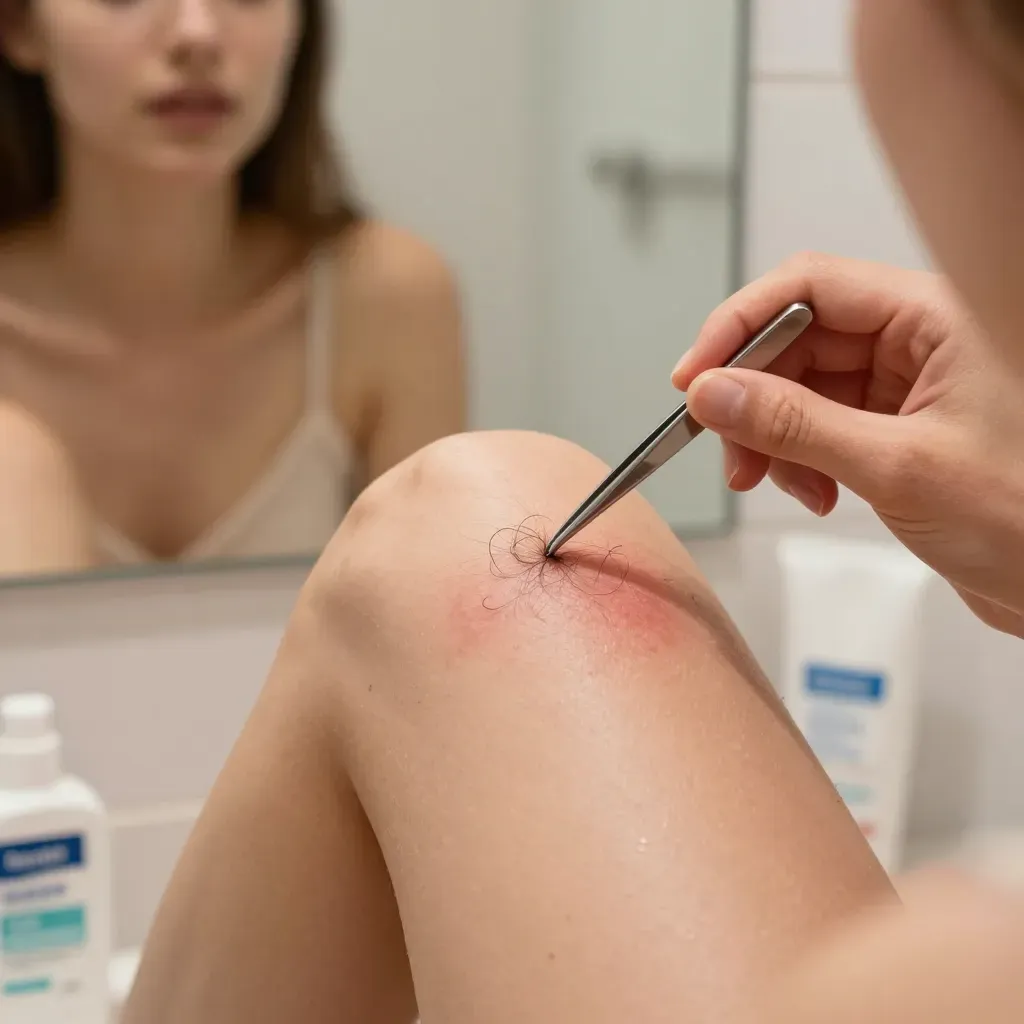
For surface-level ingrown hairs, gentle extraction works. Start with a warm compress to soften skin. Apply for 5-10 minutes. Use sterile tweezers or a needle to carefully free the trapped hair. Work in the direction of growth. Never dig into skin. Stop if resistance occurs.
- Clean the area with rubbing alcohol first
- Use only sterile tools
- Gently lift the hair tip
- Remove the hair completely
- Apply antiseptic after
Chemical Treatments
Salicylic acid dissolves the skin covering the ingrown hair. Apply directly to each bump. Let it sit for 5-10 minutes. Rinse thoroughly. Do this once or twice daily until the hair releases.
Treatment | Best For | How Long |
|---|---|---|
Salicylic acid | Superficial bumps | 3-7 days |
Glycolic acid | Multiple small bumps | 5-10 days |
Tee tree oil | Infected bumps | Ongoing |
When Infection Occurs
Infected ingrown hairs turn red, swell, and fill with pus. Avoid squeezing. Apply a warm compress 3-4 times daily. Use an antibiotic ointment if available. See a doctor if the infection spreads or causes fever. Oral antibiotics may be necessary.
Stop Picking
Picking or squeezing causes skin damage and scars. It can push hair deeper. This creates more severe problems. Resist the urge. Use treatment methods instead. The hair will work itself out with proper care.
Professional vs At-Home Removal Methods
Choosing between professional treatment and at-home care depends on severity, budget, and personal preference. Both approaches have clear advantages.
Professional Treatments
Dermatologists and licensed technicians offer advanced solutions. These work for severe or recurring cases.
- Laser hair removal - destroys follicle, prevents future ingrowns
- Electrolosis - permanent hair removal for any color
- Professional extraction - sterile tools, minimal scarring risk
- Prescription topical medications
- Chemical peels for severe cases
At-Home Methods
Home care works for mild to moderate cases. It requires consistency and patience.
- Warm compresses and gentle extraction
- Over-the-counter exfoliating products
- Salicylic or glycolic acid treatments
- Ingrown hair-specific serums
- Tweezer extraction with proper technique
Cost Comparison
Method | Upfront Cost | Long-Term Cost |
|---|---|---|
At-home extractions | $20-50/year | Low maintenance |
Laser hair removal | $1,500-3,000 | Permanent solution |
Electrolosis | $2,000-5,000 | Permanent solution |
IPL devices | $200-500 | Moderate |
Which to Choose
At-home works when ingrowns appear occasionally. Professional treatment makes sense for chronic cases, sensitive skin, or those wanting permanent results. Consider the pain level and time investment. Professional methods have faster results but higher upfront costs.
Maintaining Smooth Skin Long-Term
Long-term smooth skin requires a consistent routine. It also means addressing the root cause: hair growth. Permanent hair removal offers the only true solution.
Commit to a Routine
Maintenance is not optional. It is a daily commitment. Continue gentle exfoliation 2-3 times weekly. Moisturize the area every day. Shave or treat only with fresh, sharp tools. Never skip aftercare after any hair removal session.
- Exfoliate with salicylic acid 2x per week
- Apply non-comedogenic moisturizer daily
- Wear breathable cotton underwear
- Avoid tight clothing for long periods
- Replace razor blades frequently
Permanent Removal is Key
To stop ingrown hairs forever, remove the hair follicle. Laser hair removal targets the follicle with light energy. This prevents regrowth. Multiple sessions are needed. Results are permanent for most people. This is the only method that guarantees no future ingrown hairs from treated follicles.
Method | Maintenance Level | Ingrown Risk After |
|---|---|---|
Shaving | Daily/Every other day | High |
Waxing | Every 3-6 weeks | Medium |
Laser Hair Removal | Occasional touch-ups | Very Low |
Post-Treatment Care
After any hair removal, soothe the skin. Use aloe vera or fragrance-free gels. Avoid hot tubs, saunas, and direct sun for 24-48 hours. Do not apply heavy lotions or oils immediately. Let the skin breathe. This prevents irritation and new ingrowns.
Know When to Seek Help
See a dermatologist if ingrown hairs are constant. They can prescribe stronger topical treatments. They also perform professional extractions safely. For a permanent fix, discuss Brazilian laser treatment options. The initial investment saves years of frustration.