
Table of Contents
Let's be honest, dealing with unwanted hair down there can feel like a never-ending chore. Shaving leads to stubble in hours and those dreaded ingrown hairs. Waxing? Well, let's just say it's not exactly a spa day for most of us. It's no wonder people start looking for alternatives, something that promises less fuss and longer-lasting smoothness. This is where laser hair removal enters the picture, specifically for the Brazilian area. It sounds like a dream: significantly reduced hair, less irritation, and more freedom. But then the big question pops up, the one everyone wants a definitive answer to: **is brazilian laser hair removal permanent**? It's a loaded question, isn't it? You hear the term "permanent hair reduction," but what does that actually mean for sensitive areas like the bikini line? Can you truly say goodbye to hair forever after a few sessions? This article cuts through the marketing speak to give you the real lowdown. We'll explore how laser works, what kind of results are realistic, and what you should actually expect long-term when you invest in Brazilian laser treatments. Get ready to understand the science and the reality behind achieving that smooth skin.
What is Brazilian Laser Hair Removal Anyway?
What is Brazilian Laser Hair Removal Anyway?
Beyond the Basic Bikini Line
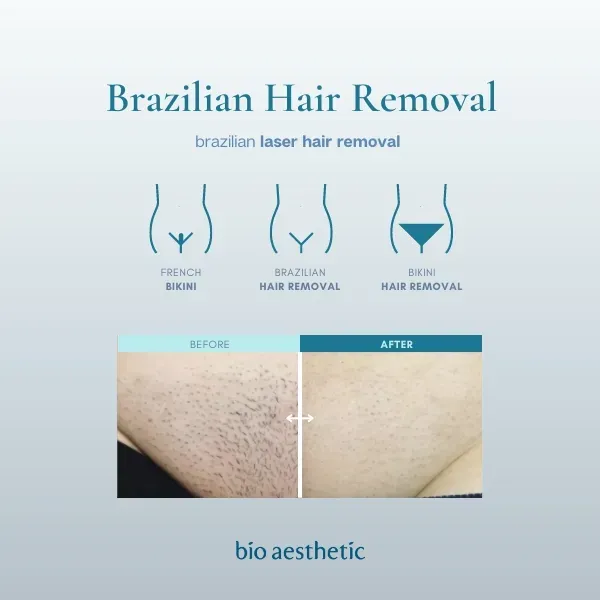
so you've heard the term "Brazilian laser hair removal," but what does that actually entail? Think beyond just tidying up the edges. A Brazilian typically means removing most, if not all, of the hair from the pubic area – the front, the sides, and yes, the back. It's about achieving a smooth, minimal, or completely bare look down there. Unlike a standard bikini treatment that just tackles the hair visible outside a swimsuit, the Brazilian goes much further. People opt for this level of treatment for various reasons, from hygiene preferences to wanting freedom from daily shaving or painful waxing appointments. It's a significant step towards low-maintenance grooming.
The process uses concentrated light energy, a laser, to target the pigment (melanin) in the hair follicles. The light converts to heat, damaging the follicle and inhibiting future hair growth. It doesn't happen overnight; you need multiple sessions because hair grows in cycles, and the laser is most effective on hair in the active growth phase. It’s a process, not a one-time fix, but the goal is significant, long-term reduction.
Why Choose Laser Over Other Methods?
So, why would someone choose to get Brazilian laser hair removal when there are other options? It usually comes down to the promise of lasting results and ditching those temporary, often uncomfortable methods. Shaving is quick but the results are fleeting, and you're battling razor burn and ingrown hairs constantly. Waxing lasts longer, maybe a few weeks, but the pain factor is high and you still deal with regrowth and potential ingrowns. Epilating? Don't even get me started on that medieval torture device. Depilatory creams smell awful and can irritate sensitive skin. Laser, while requiring an upfront investment and multiple sessions, aims for a significant reduction in hair density and thickness, often leading to much finer, sparser regrowth over time, or even patches with no regrowth at all. The potential for fewer ingrown hairs is a huge draw for many.
It's about trading frequent, irritating maintenance for a series of treatments that could drastically cut down on the time and effort spent on hair removal in the long run. It's a calculated decision based on weighing the pros and cons of each method.
Here's a quick look at how common methods stack up:
- Shaving: Fast, cheap, temporary results (hours to a day or two), high risk of ingrowns/irritation.
- Waxing: Moderate speed, moderate cost (per session), results last weeks, painful, risk of ingrowns/irritation.
- Laser Hair Removal: Slower process (multiple sessions), higher upfront cost, long-term reduction, significantly reduced ingrowns/irritation for most.
Defining the "Brazilian" Area for Laser
When clinics talk about "Brazilian" laser hair removal, they're typically referring to a specific treatment area, though the exact definition can vary slightly from place to place. Generally, it includes the entire pubic region, from the very front, down the labia, and extending to the perianal area. Some people opt for a "landing strip" or a small triangle left at the front, which is often still considered a variation of the Brazilian. Others prefer to remove every single hair. It's important to clarify with your technician exactly what area the treatment covers before you start, so there are no surprises.
The goal is to treat all the hair follicles in this defined zone. Because the hair in this region can be quite coarse and the skin sensitive, it's crucial to have the treatment performed by experienced professionals using appropriate laser technology for your skin type and hair color. This ensures safety and maximizes the effectiveness of the treatment in achieving that smooth, hair-free result you're after.
How Laser Targets Hair Follicles for Hair Reduction
How Laser Targets Hair Follicles for Hair Reduction
The Science Behind the Zap
Alright, let's get down to brass tacks: How does this laser thing actually *do* the job? It's not magic, though sometimes it feels close when you see the results. The core principle relies on something called selective photothermolysis. Fancy word, I know. What it means is the laser delivers a specific wavelength of light that is highly absorbed by pigment – the stuff that gives your hair its color, called melanin. Think of it like a tiny heat-seeking missile. When the laser pulse hits the skin, the melanin in the hair shaft and follicle absorbs that light energy. This absorption causes rapid heating of the follicle. The heat damages the structures within the follicle responsible for growing hair, effectively stunning or destroying them. Darker, coarser hair, like the kind often found in the Brazilian area, typically has more melanin, making it an ideal target for the laser. Lighter hair, with less pigment, is harder for the laser to 'see' and treat effectively.
Timing is Everything: Catching Hair in the Right Phase
Now, you might wonder why you can't just do one session and be done. It's because of the hair growth cycle. Hair doesn't all grow at the same time; it cycles through different phases: Anagen (active growth), Catagen (transition), and Telogen (resting). The laser is most effective during the Anagen phase. This is when the hair is actively growing and connected to the follicle, and the melanin concentration is highest. Since only a percentage of your hair is in the Anagen phase at any given time, you need multiple treatment sessions spaced several weeks apart. This spacing allows hairs that were in the resting or transition phases to enter the active growth phase so they can be targeted by the laser during your next appointment. It's a bit of a waiting game, aligning your appointments with your hair's natural rhythm, but it's crucial for hitting as many follicles as possible and achieving significant reduction. Without hitting the follicles in the right phase, you're just zapping hairs that are already on their way out or not actively growing, which isn't the goal.
Here's a simplified look at the hair growth phases and laser effectiveness:
- Anagen (Growth): Laser is highly effective. Follicle is active, high melanin.
- Catagen (Transition): Laser is less effective. Follicle shrinks, hair detaches.
- Telogen (Resting): Laser is ineffective. Hair is dormant, will eventually shed.
So, Is Brazilian Laser Hair Removal Permanent? Let's Break It Down.

So, Is Brazilian Laser Hair Removal Permanent? Let's Break It Down.
Understanding "Permanent" in the World of Laser
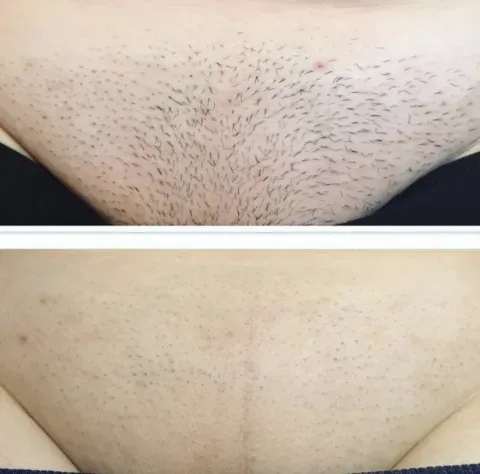
Alright, let's tackle the million-dollar question directly: **is brazilian laser hair removal permanent**? The short, slightly frustrating answer is that the U.S. Food and Drug Administration (FDA) uses the term "permanent hair reduction," not "permanent hair removal." What's the difference, you ask? Permanent removal would mean every single hair follicle in the treated area is destroyed forever, and not a single hair ever grows back. Permanent *reduction* means a significant decrease in the number of hairs, and the hairs that *do* grow back are often finer, lighter, and much sparser than before. Think of it as drastically thinning the forest, not clear-cutting it entirely. After a full course of treatments, most people see a substantial reduction, often 70-90%. This level of reduction is life-changing for many, making maintenance minimal compared to shaving or waxing.
Why It's Reduction, Not Always Total Eradication
So why isn't it always 100% permanent for everyone? A few reasons. Hair follicles are resilient little things. While the laser aims to damage or destroy them, some might only be injured, not killed off completely. These injured follicles can recover over time and start producing hair again, though usually a weaker strand. Hormonal changes can also play a significant role. Puberty, pregnancy, menopause, or even certain medical conditions and medications can stimulate new hair growth in areas previously treated. It’s like your body sometimes decides to just sprout new follicles or reactivate dormant ones. This is why even after a successful initial series, you might see some new growth appear down the line. It's not a failure of the original treatment; it's just your body doing its thing.
Factors influencing long-term results:
- Hormonal fluctuations (pregnancy, menopause, etc.)
- Individual hair growth cycles and patterns
- Consistency and quality of initial treatments
- Skin tone and hair color contrast
- Skill of the technician and equipment used
- Genetics
Managing Expectations and Long-Term Maintenance
Given that it's permanent *reduction* rather than total removal, what does that mean for the future? Most people who are happy with their Brazilian laser results will need occasional touch-up sessions. These aren't as frequent as the initial series; maybe once or twice a year, or even less often, depending on individual regrowth. These touch-ups target any new or stubborn hairs that pop up. It's about maintaining that smooth state you achieved. Going into it with the expectation of significant reduction and potential future maintenance is key to avoiding disappointment. It's a massive upgrade from daily or weekly hair removal, offering long stretches of smooth skin with minimal effort, but it's rarely a "set it and forget it" situation forever.
What Happens After Your Brazilian Laser Hair Removal Sessions?

What Happens After Your Brazilian Laser Hair Removal Sessions?
Immediately After the Zap
you’ve just finished a Brazilian laser session. What’s the deal right after you hop off the table? Typically, the area will look a bit red and might feel like a mild sunburn. It’s not usually excruciating, more like a warm, tingly sensation. You might see some minor swelling around the individual hair follicles, technically called perifollicular edema, which just looks like tiny bumps. This is a good sign, actually; it means the laser hit its target and caused the intended reaction in the follicle. Technicians usually apply a soothing gel or cool pack right away to help calm things down. They’ll also give you specific aftercare instructions, which usually involve avoiding hot showers, baths, saunas, and strenuous exercise for 24-48 hours. Sun exposure is a big no-no, so keep the treated area covered if you're heading outside.
In the days and weeks following your session, you’ll notice something that might look like hair growth, but it's actually the treated hairs being pushed out of the follicles. This is called shedding, and it's totally normal. These hairs will just fall out on their own over the next two to three weeks. You can gently exfoliate to help them along, but don't aggressively pick or pull at them. Between sessions, you should avoid waxing, plucking, or electrolysis, as these methods remove the hair shaft and root that the laser needs to target. Shaving is usually fine if you need to tidy up, as it leaves the root intact. As you progress through your treatment series, you’ll notice less shedding and longer periods of smooth skin between appointments.
Managing Expectations and LongTerm Results of Brazilian Laser Hair Removal
What "Permanent Reduction" Really Means for Your Brazilian
let's get real about what you're signing up for with Brazilian laser hair removal. You're investing time and money, and you deserve to know the score. As we've discussed, the FDA calls it "permanent hair reduction," not removal. This isn't just splitting hairs (pun intended); it's a crucial distinction. Think of it as significantly thinning out the jungle, not turning it into a desert. After your initial series of sessions – typically 6 to 8, maybe more for some – you should see a dramatic decrease in hair growth. The hairs that do come back will likely be much finer, lighter, and grow much slower. You won't be dealing with the dense, coarse hair you started with. So, while you might not achieve the absolute, never-grow-a-single-hair-again outcome, you will achieve a state where managing hair is vastly easier and less frequent than anything you've done before. That's the realistic expectation you should carry into your treatments.
Why Regrowth Happens and Touch-Ups Are Your Friend
Despite the best efforts of the laser and your technician, it's highly probable you'll experience some regrowth over time. This isn't a sign that the treatment failed, but rather a testament to the stubbornness of hair follicles and the ever-changing nature of your body. Hormonal shifts, whether due to age, pregnancy, or other factors, can wake up dormant follicles or even create new ones that weren't active during your initial treatment series. It's just how bodies work. When this happens, you might see finer hairs appearing in areas that were previously smooth. This is where touch-up sessions come in. Think of them less as fixing a problem and more as maintenance. A quick session once or twice a year can target these new stragglers and keep that smooth feeling going strong. It's a small commitment compared to the constant battle of shaving or waxing.
Factors that can influence regrowth:
- Significant hormonal changes (pregnancy, menopause)
- Certain medications
- Genetics
- Skipping recommended initial sessions
- Insufficient power or incorrect laser type used
The Long-Term Wins: Beyond Just Less Hair
Even if Brazilian laser hair removal isn't 100% permanent total removal, the long-term benefits of permanent hair reduction are substantial. Imagine the time saved from not having to shave every day or two. Picture the freedom from planning your outfits around potential razor burn or stubble. Consider the significant reduction, often elimination, of painful ingrown hairs and skin irritation that many people suffer from in the pubic area. For many, these benefits alone are well worth the investment. It's about achieving a state of low-maintenance confidence and comfort. While you might need the occasional touch-up at hairawaybylaser.com or a similar reputable clinic, the overall reduction means smoother skin for longer periods with far less effort than traditional methods. That's a win in my book, even if it's not absolute permanence.
The Reality of Long-Term Smoothness After Brazilian Laser
So, the million-dollar question: is Brazilian laser hair removal permanent? The straightforward answer is that it's typically considered permanent *reduction*, not necessarily total, lifelong removal for every single hair. You'll see a dramatic decrease in hair growth, often making shaving or waxing a thing of the past for extended periods. However, hormonal shifts, genetics, and individual responses mean some follicles might reactivate over time, leading to sparse regrowth. This is why many people opt for occasional touch-up sessions down the line – maybe once a year or even less often – to maintain that smooth result. Think of it as managing hair growth rather than eradicating it entirely. While it's a significant upgrade from daily or weekly hair removal methods, setting realistic expectations about needing potential maintenance is key to feeling satisfied with your long-term investment in Brazilian laser.