
Table of Contents
Let's be honest, the quest for perpetually smooth skin down there often leads us down various rabbit holes, some more painful than others. Waxing? A medieval torture ritual. Shaving? A daily battle against stubble and ingrown hairs. So, naturally, the idea of laser hair removal for the Brazilian area sounds like a modern miracle. Zap it, and maybe, just maybe, you're free. But before you book your appointment, a crucial question lingers in the back of many minds: is brazilian laser hair removal safe? It's a valid concern. You're talking about directing powerful light energy at a sensitive area. While incredibly popular for its promise of long-lasting results, understanding the potential upsides and downsides is non-negotiable. This isn't just about convenience; it's about your health and well-being. We'll cut through the marketing hype and get down to the facts about what makes this treatment work, what risks are involved, and how to navigate the process safely. We'll discuss everything from choosing the right clinic to managing expectations, ensuring you have the information you need to make an informed decision about whether Brazilian laser hair removal is the right path for you.
Understanding the Safety of Brazilian Laser Hair Removal
Understanding the Safety of Brazilian Laser Hair Removal
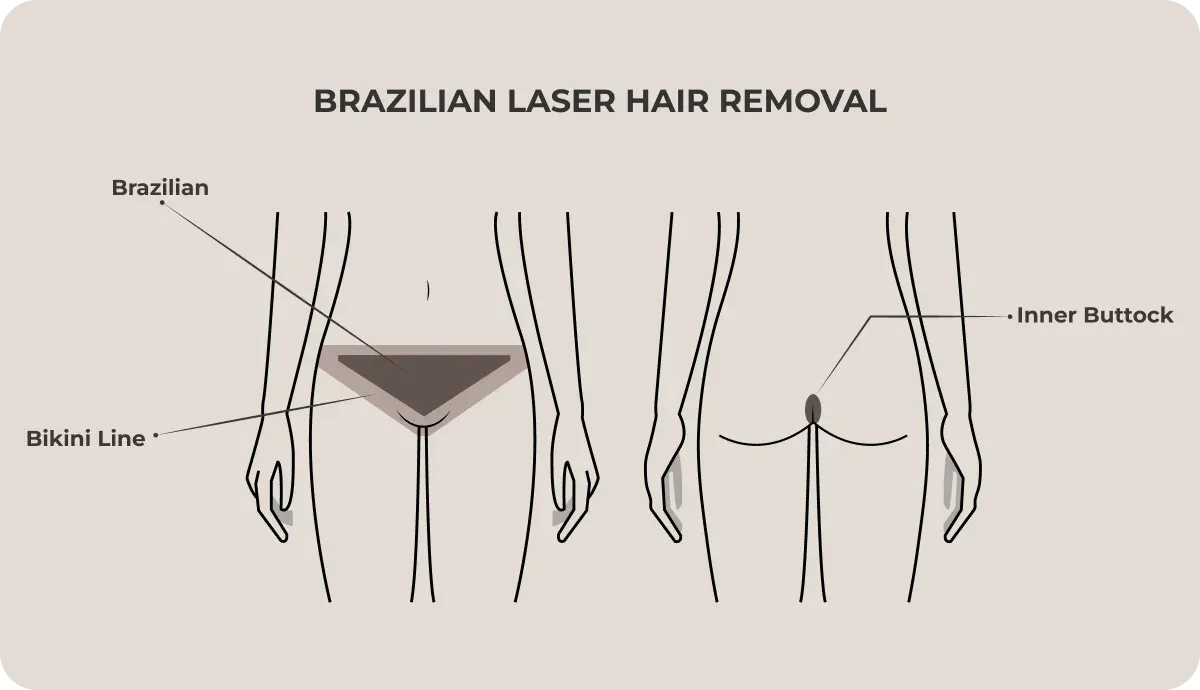
So, you're wondering about whether Brazilian laser hair removal is safe? It's a smart question to ask. At its core, the process uses concentrated light energy to target the pigment (melanin) in hair follicles. This light converts to heat, damaging the follicle enough to inhibit future hair growth. Think of it like shining a powerful flashlight on a dark object – the light gets absorbed. With laser hair removal, the "dark object" is the hair pigment. Different lasers use different wavelengths of light, which is why some work better on certain skin tones and hair colors than others. The goal is to damage the follicle without damaging the surrounding skin. This is where the science comes in, and why not all lasers, or all technicians, are created equal. The technology has advanced significantly over the years, making it much safer and more effective than when it first came out, but it's still a medical procedure that requires expertise.
Potential Risks and Side Effects: Is Brazilian Laser Hair Removal Safe?
Potential Risks and Side Effects: Is Brazilian Laser Hair Removal Safe?
Understanding Common Side Effects
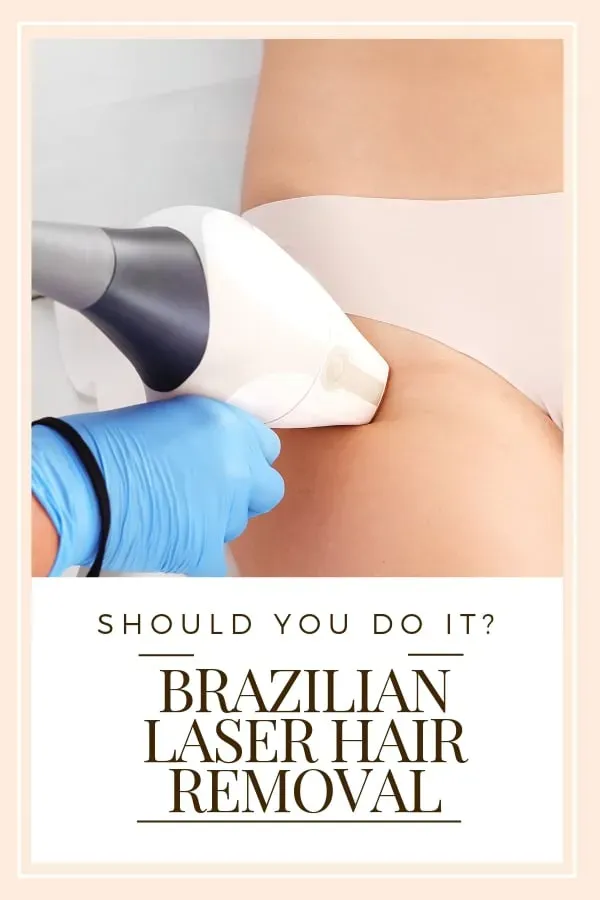
so you're asking, "Is Brazilian laser hair removal safe?" Generally speaking, yes, it's considered safe when done correctly. But like any procedure involving your body, it's not without potential side effects. Most of these are pretty minor and temporary. Think about how your skin reacts after waxing or shaving – redness, slight swelling, maybe a little tenderness. Laser can cause similar reactions, often described as feeling like a mild sunburn in the treated area. You might see some pinpoint redness around the hair follicles, which is totally normal and shows the laser hit its target. This usually settles down within a few hours, maybe a day at most. Sometimes, people experience temporary changes in skin color – either slightly lighter or darker spots. This is more common in people with darker skin tones or if sun exposure happens before or after treatment, but it's typically not permanent.
Navigating Less Common, More Serious Risks
While the minor stuff is common, it's important to be aware of the less frequent, but potentially more serious risks when considering is Brazilian laser hair removal safe for you. Burns are a definite concern, especially if the laser settings are too high for your skin type or the cooling mechanism isn't working right. These can range from mild to severe and can even lead to scarring. Another risk is paradoxical hair growth, where instead of reducing hair, the laser actually stimulates more growth in the treated area or nearby. This is rare, but it happens. Infections are also possible, though uncommon, usually if the skin barrier is compromised during or after treatment. Choosing an experienced, certified technician in a reputable clinic is your absolute best defense against these more significant issues. They know how to assess your skin type, use the right laser, and adjust settings safely.
Common Temporary Side Effects:
- Redness
- Swelling
- Mild discomfort or tenderness
- Temporary skin color changes (lighter or darker)
- Follicular swelling (looks like tiny bumps)
Choosing a Qualified Provider for Safe Brazilian Laser Hair Removal

Choosing a Qualified Provider for Safe Brazilian Laser Hair Removal
Why Your Provider Matters for Safety
so you're sold on the idea of ditching the razor, but the question "is brazilian laser hair removal safe?" still hinges massively on *who* is holding the laser. This isn't like getting your nails done; it's a medical-grade procedure. The wrong person with the wrong settings can leave you with burns, scars, or worse, paradoxical hair growth that makes things fuzzier than when you started. Think of it as trusting someone with a powerful tool pointed at a very sensitive area. You wouldn't let just anyone perform minor surgery, right? The expertise of the technician and the reputation of the clinic are arguably more important than the type of laser they use. They need to understand skin types, hair colors, and how the laser interacts with each, especially in the delicate Brazilian region.
Checking Credentials and Experience
So, how do you separate the pros from the potential problems? Start by looking for clinics with certified laser technicians or medical professionals (like nurses or doctors) performing the treatments. Don't be shy about asking about their training and how long they've been doing Brazilian laser hair removal specifically. Experience counts for a lot here. A technician who has treated hundreds of diverse clients will likely handle unexpected skin reactions or tricky areas better than someone fresh out of training. Also, check if a medical director oversees the practice. This adds another layer of safety and oversight. A reputable place, like hairawaybylaser.com, will be transparent about their staff's qualifications.
What to Ask Potential Providers:
- Who performs the laser treatments? (Technician, Nurse, Doctor?)
- What certifications do your technicians hold?
- How many years of experience do they have with laser hair removal, specifically Brazilian?
- What type of laser do you use, and is it suitable for my skin type?
- Can I see before-and-after photos of clients with similar skin/hair types?
- What is your protocol for handling adverse reactions?
The Importance of a Thorough Consultation
Before any laser touches your skin, you absolutely must have a consultation. This isn't just a sales pitch; it's their chance to assess your skin and hair, explain the process, potential risks, and determine the right settings for you. It's also your chance to ask every single question you have about whether is brazilian laser hair removal safe for *your* specific circumstances. A good provider will examine the area, discuss your medical history (some medications can make your skin more sensitive to light), and set realistic expectations about results and the number of sessions needed. If they seem rushed, avoid your questions, or don't perform a patch test (a small test spot to see how your skin reacts), consider that a major red flag and walk away. Your safety is worth finding a provider who takes the time to get it right.
What to Expect During and After Your Brazilian Laser Hair Removal Session
What to Expect During and After Your Brazilian Laser Hair Removal Session
Stepping into the Treatment Room
Alright, so you've done your homework, found a reputable place, and you're finally ready for your first Brazilian laser hair removal session. What happens when you walk in? First, you'll likely change into a disposable wrap or gown. The technician will clean the area thoroughly. They might draw a grid on your skin with a white pencil – this helps them be systematic and not miss spots. You'll be given protective eyewear, which is non-negotiable. Don't skip this. The laser light is powerful. The technician will then start working. You'll hear a beeping sound and maybe a little zap or snap as the laser pulses. The sensation varies – some say it feels like a rubber band snap, others like a quick pinprick, maybe even a warm sting. It depends on your pain tolerance, the area being treated, and the laser settings. Most clinics use a cooling system alongside the laser, either a cold spray, a chilled tip, or blowing cold air. This helps protect your skin and makes it more comfortable. It's not exactly a spa experience, but it's usually manageable. Sessions are surprisingly quick, often just 15-30 minutes for the Brazilian area.
Immediately After and Initial Care
So, the zapping is done. You might feel a bit like you sat on a hot coals for a minute, but that usually fades quickly. The treated area will likely be red and maybe a little swollen, kind of like you just got a mild sunburn or had a rough waxing session. This is totally normal and expected. The technician will probably apply a soothing cream, like aloe vera or hydrocortisone, and might give you an ice pack. Your skin will be more sensitive to heat, so avoid hot showers, saunas, or intense workouts for the first 24-48 hours. Sun exposure is a big no-no – if the area will be exposed, use a high SPF sunscreen. You might notice tiny bumps around the hair follicles; this is called perifollicular edema and it's a good sign the laser hit the target. It goes away within a day or two. Don't pick or scratch the area.
Immediate Aftercare Tips:
- Apply soothing gel (aloe vera, hydrocortisone).
- Use a cold pack if needed.
- Avoid hot showers, baths, saunas, and intense exercise for 24-48 hours.
- Protect the area from sun exposure; use SPF if necessary.
- Wear loose, cotton underwear.
- Do not pick or scratch the treated area.
The Weeks Between Sessions and Long-Term Expectations
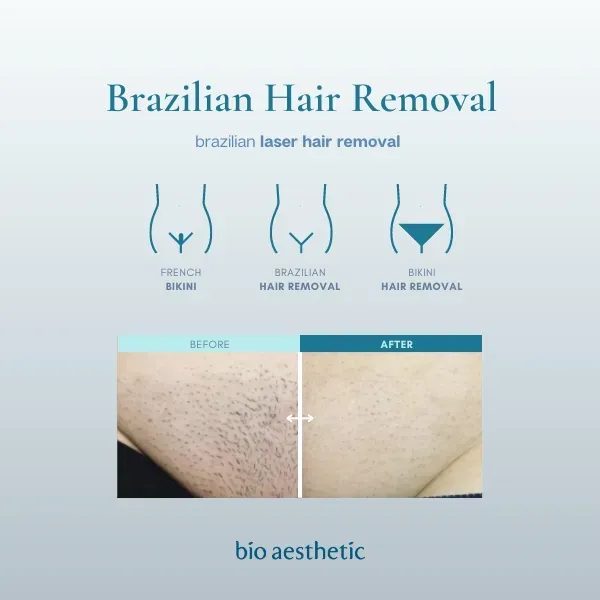
Over the next few days to a couple of weeks, you'll start seeing the treated hairs shed. They might look like little black dots pushing out of the skin – this is often called "pepper spots" or "shedding." Don't try to pull them out; they'll fall out on their own. Exfoliating gently a week or so after the session can help this process along, but be kind to your skin. Between sessions, you should avoid waxing, plucking, or epilating, as these methods remove the hair root that the laser needs to target. Shaving is fine if you need to tidy up. You'll typically have sessions spaced about 4-6 weeks apart. It takes multiple sessions because hair grows in cycles, and the laser is most effective on hairs in the active growth phase. Don't expect to be completely hair-free after one session. It takes a course of treatment, usually 6-8 sessions, to see significant, long-term reduction. Results vary from person to person, but the goal is a permanent reduction in hair growth, not necessarily 100% removal of every single hair.
LongTerm Considerations for Brazilian Laser Hair Removal Safety
LongTerm Considerations for Brazilian Laser Hair Removal Safety
What Happens Years Down the Line?
So you've gone through the sessions, the shedding, the awkward in-between phases, and now you're enjoying significantly less hair. Great! But what about the long haul? Is Brazilian laser hair removal safe over many years? For most people, the long-term outlook is pretty straightforward: reduced hair growth, smoother skin, and fewer ingrown hairs. The technology has been around long enough now that we have a decent understanding of its long-term effects. Generally, it doesn't cause any systemic health issues or damage internal organs. The laser energy is very focused on the skin's surface and the hair follicle. It's not like it's penetrating deep into your body. The main long-term considerations are really about the skin itself – maintaining the results often requires occasional touch-up sessions, maybe once every year or two, because hormones can wake up dormant follicles. And while permanent color changes are rare, they can sometimes persist.
Things to Keep in Mind Long-Term:
- Occasional touch-up sessions might be needed.
- Monitor skin for any persistent pigment changes.
- Sun protection remains important for the treated area.
- Report any unusual skin reactions to your provider, even years later.
- It's a reduction, not always 100% permanent removal for every single hair.
Are There Any Hidden Long-Term Risks?
When people ask, "is brazilian laser hair removal safe long-term?", they often worry about some scary, unknown future consequence. The good news is, there's no credible scientific evidence linking laser hair removal to serious long-term health problems like cancer or infertility. The laser energy simply doesn't penetrate that deep. The main long-term risks are tied to improper treatment in the first place – things like permanent scarring from burns, or paradoxical hair growth that sticks around. This is why choosing a qualified provider from the get-go is non-negotiable. There have been rare reports of changes in sweating or sensation in treated areas, but these are not common and often temporary. The biggest long-term "risk" for many is simply that some hair *might* grow back over time, requiring those touch-ups, which honestly, feels less like a risk and more like a mild inconvenience compared to daily shaving.
Making an Informed Choice About Brazilian Laser Hair Removal Safety
So, is brazilian laser hair removal safe? The short answer is that for most people, when performed correctly by trained professionals, it can be relatively safe. However, "relatively safe" is not the same as zero risk. Like any medical or cosmetic procedure, potential side effects exist, ranging from temporary redness to more serious issues like burns or changes in pigmentation. The critical takeaway here isn't to scare you away, but to arm you with realistic expectations. The difference between a smooth outcome and a regrettable experience often boils down to the clinic you choose and the technician performing the treatment. Do your homework, ask pointed questions about their equipment and training, and listen to your body. Don't let the desire for convenience override common sense or safety protocols. Ultimately, the decision rests with you, armed with the facts about what makes this process work and what precautions are absolutely necessary.