
Table of Contents
This article explores permanent solutions for ingrown hair removal, focusing on two main methods: laser hair removal and electrolysis. Laser treatment uses light energy to destroy hair follicles, preventing regrowth and eliminating the root cause of ingrown hairs. Electrolysis, the only FDA-approved permanent method, uses electrical current to target individual follicles and works on all hair and skin types. Both require multiple sessions for complete results. Professional clinic treatments offer superior outcomes compared to at-home devices due to medical-grade technology and expert customization. The article emphasizes that proper aftercare—including chemical exfoliation, moisturizing, and avoiding interference with healing hairs—prevents new ingrown hairs during the treatment process.
Question | Answer |
|---|---|
What are the two main permanent solutions for ingrown hairs? | Laser hair removal and electrolysis are the primary permanent ingrown hair removal methods. |
How does laser hair removal prevent ingrown hairs? | Laser light targets hair pigment, generates heat, and destroys the follicle so it cannot regrow hair. |
Why is electrolysis suitable for all hair and skin colors? | Electrolysis uses electrical current instead of light, so it requires no pigment and works on every hair and skin type. |
Why are professional clinic treatments better than at-home devices? | Clinics use medical-grade lasers with higher power and expert technicians who customize settings for better results. |
What aftercare prevents new ingrown hairs during treatment? | Chemical exfoliation, moisturizing, and avoiding plucking treated hairs prevents new ingrown hairs. |
Laser hair removal eliminates ingrown hairs permanently by destroying the follicle
How lasers stop ingrown hairs
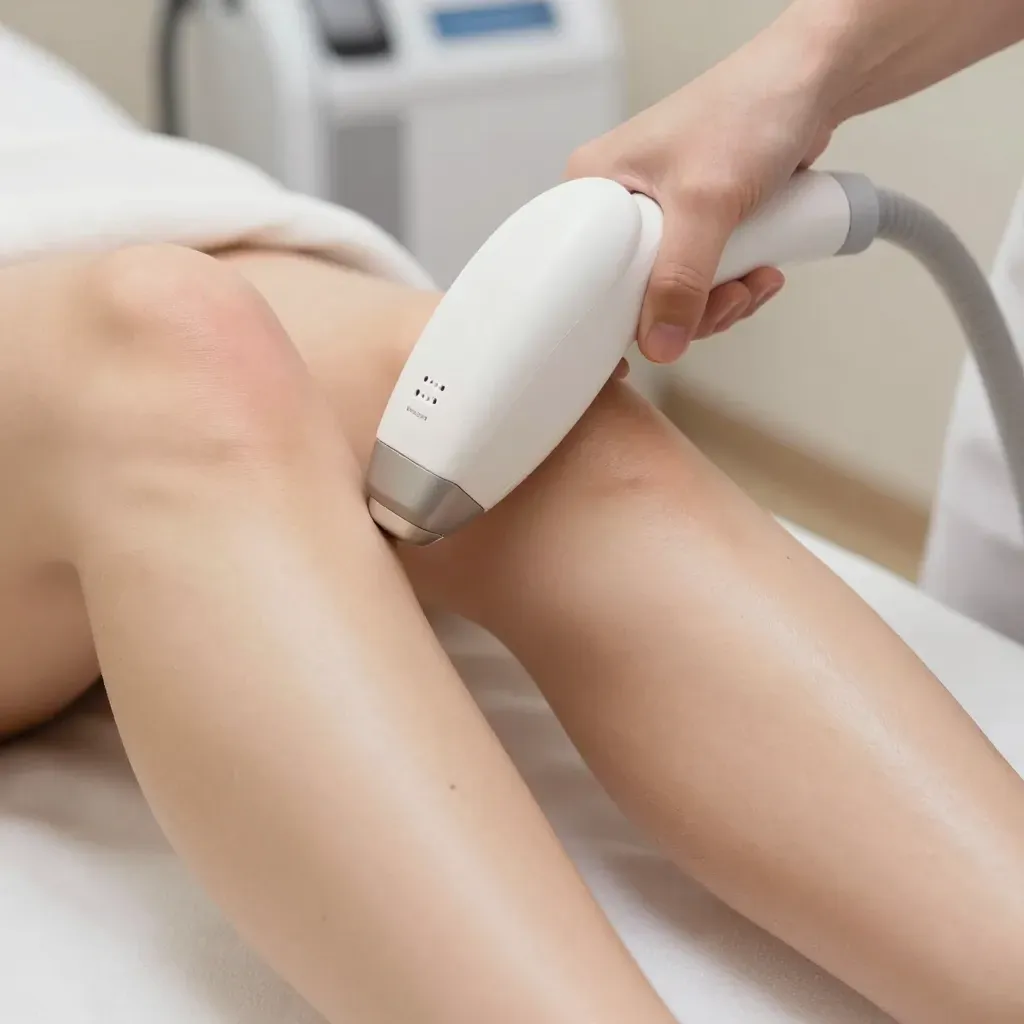
Shaving and waxing cause razor bumps. Hair breaks off. It curls back under the skin. Laser stops the cycle. Light targets hair pigment. Heat travels to the root. It destroys the follicle. Dead follicles grow no hair. No hair means no trapped hairs. This makes it a top choice for permanent ingrown hair removal.
Treatment timeline
You need multiple sessions. Hair grows in stages. Lasers only hit active growth. Most need 6 to 8 treatments. Spaced weeks apart.
- Sessions take minutes
- Target large areas fast
- Works best on dark hair light skin
- Newer tech works on most tones
Clinic vs home devices
Clinics use strong machines. Faster results. High cost. You can also treat yourself. Home IPL devices work too. They need more time. Less intense. See if at-home laser hair removal works for your skin. Good for touch ups. Check out a good laser hair removal tool at home to save money.
Comparing treatment options
Feature | Clinic Laser | At-Home Device |
|---|---|---|
Power | High | Low |
Cost per session | High | Low |
Speed | Fast | Slow |
Ingrown prevention | Excellent | Good |
Learn about the link between laser hair removal and ingrown hairs.
Electrolysis offers another permanent option targeting individual hair roots
How electrolysis works
A fine probe slides into each follicle. A small current destroys the root. No hair can regrow from that follicle. Unlike laser it works on all hair colors and skin tones. No pigment needed. This makes it the only FDA approved permanent hair removal method for every hair type.
Why it helps with ingrowns
Shaving cuts hair at the surface. Curly hair folds back into the skin. Electrolysis kills the root. That hair never grows back. No regrowth means no new ingrown hairs. The area stays clear long term. It directly targets the source of the problem.
Treatment details
- Each hair treated one at a time
- Sessions last 15 to 60 minutes
- Multiple sessions needed per area
- Small areas clear faster than large ones
Electrolysis vs laser for ingrowns
Factor | Electrolysis | Laser |
|---|---|---|
Hair color | All colors | Dark best |
Skin color | All tones | Varies |
Speed | Slow | Fast |
Pain level | Moderate | Low to moderate |
Permanence | Proven permanent | Long term reduction |
For stubborn spots electrolysis fills the gap laser leaves. Some people combine both methods. Laser clears large areas fast. Electrolysis picks off remaining hairs laser missed. Together they deliver the most complete permanent ingrown hair removal.
Professional treatments deliver better long-term results than at-home methods
The technology gap
Clinics use medical-grade lasers. These include Alexandrite Nd:YAG and Diode. They output more power. Deeper penetration. They reach the follicle reliably. Home devices use IPL or low-power lasers. Less energy means less follicle damage. Hair often regrows. Ingrowns return.
Expertise matters
A technician assesses your skin and hair. They choose the right wavelength. They set the correct fluence. They adjust for your tone and hair color. At home you guess settings. Wrong settings mean poor results or injury. Professionals treat every spot. They don't miss awkward angles.
Safety and consistency
Clinics follow strict protocols. They space sessions correctly. They ensure full coverage. Home users skip sessions. They treat unevenly. This allows some follicles to survive. Those hairs cause new ingrowns. Professional treatments also include pre and post-care advice. This reduces complications.
Cost over time
At-home devices seem cheaper upfront. But they often need years of use. Many users give up. Results are partial. Clinic packages cost more initially. They finish the job faster. Permanent reduction means no more ingrowns. No more buying creams or razors.
Aspect | Professional Clinic | At-Home Device |
|---|---|---|
Power | High (medical-grade) | Low (consumer-grade) |
Customization | Personalized by expert | Generic settings |
follicle destruction | Consistent complete | Partial inconsistent |
Session frequency | Optimally spaced | Often irregular |
Long-term outcome | Permanent reduction | Temporary reduction |
For lasting smooth skin see dermatologist laser pricing and professional machine types.
Proper aftercare prevents new ingrowns while permanent solutions take effect
Daily skin routine
Exfoliation clears dead skin cells. Trapped cells block hair growth. This causes new ingrowns. Use chemical exfoliants instead of scrubs. Salicylic acid works best. Wait 48 hours after your laser session. Moisturize the treated area daily. Hydrated skin stays flexible. This helps surviving hairs push through the surface easily.
Post-treatment care timeline
Timeframe | Action | Reason |
|---|---|---|
First 24 hours | Apply cool compresses only | Reduces heat and swelling fast |
Days 1 to 3 | Wash area with plain water | Prevents chemical irritation |
Days 4 to 7 | Start gentle chemical exfoliation | Clears away dead skin cells |
Weeks 2 to 4 | Let hair shed naturally | Does not disturb treated follicles |
Leave healing hairs alone
Treated hairs push out over weeks. Do not pluck or wax them. Plucking ruins the treated follicle. Shaving works fine between sessions. Existing bumps need gentle care. Never squeeze them. Squeezing causes infection and scarring. Read about laser hair removal and ingrowns. Find out how to remove an ingrown hair you can't see safely. Use a sterile needle for ingrown hair removal if the tip pokes through the skin. Otherwise let the area heal on its own.
Best products for aftercare
- Pure aloe vera gel reduces redness fast
- Witch hazel calms inflammation naturally
- Fragrance free lotions protect the skin barrier
- Over the counter hydrocortisone stops severe itching