
Table of Contents
Laser hair removal eliminates ingrown hairs permanently by destroying the follicle
How lasers stop ingrown hairs
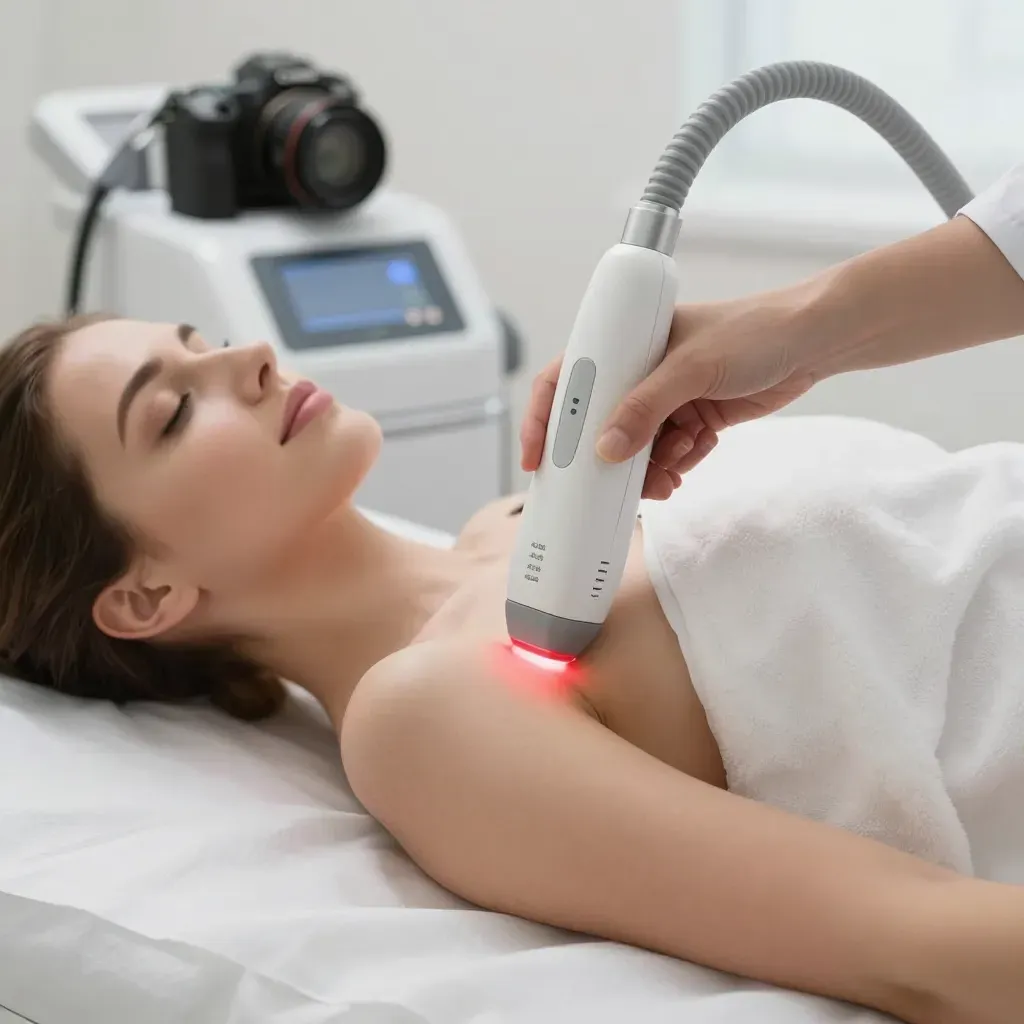
Shaving and waxing cause razor bumps. Hair breaks off. It curls back under the skin. Laser stops the cycle. Light targets hair pigment. Heat travels to the root. It destroys the follicle. Dead follicles grow no hair. No hair means no trapped hairs. This makes it a top choice for permanent ingrown hair removal.
Treatment timeline
You need multiple sessions. Hair grows in stages. Lasers only hit active growth. Most need 6 to 8 treatments. Spaced weeks apart.
- Sessions take minutes
- Target large areas fast
- Works best on dark hair light skin
- Newer tech works on most tones
Clinic vs home devices
Clinics use strong machines. Faster results. High cost. You can also treat yourself. Home IPL devices work too. They need more time. Less intense. See if at-home laser hair removal works for your skin. Good for touch ups. Check out a good laser hair removal tool at home to save money.
Comparing treatment options
Feature | Clinic Laser | At-Home Device |
|---|---|---|
Power | High | Low |
Cost per session | High | Low |
Speed | Fast | Slow |
Ingrown prevention | Excellent | Good |
Learn about the link between laser hair removal and ingrown hairs.
Electrolysis offers another permanent option targeting individual hair roots
How electrolysis works
A fine probe slides into each follicle. A small current destroys the root. No hair can regrow from that follicle. Unlike laser it works on all hair colors and skin tones. No pigment needed. This makes it the only FDA approved permanent hair removal method for every hair type.
Why it helps with ingrowns
Shaving cuts hair at the surface. Curly hair folds back into the skin. Electrolysis kills the root. That hair never grows back. No regrowth means no new ingrown hairs. The area stays clear long term. It directly targets the source of the problem.
Treatment details
- Each hair treated one at a time
- Sessions last 15 to 60 minutes
- Multiple sessions needed per area
- Small areas clear faster than large ones
Electrolysis vs laser for ingrowns
Factor | Electrolysis | Laser |
|---|---|---|
Hair color | All colors | Dark best |
Skin color | All tones | Varies |
Speed | Slow | Fast |
Pain level | Moderate | Low to moderate |
Permanence | Proven permanent | Long term reduction |
For stubborn spots electrolysis fills the gap laser leaves. Some people combine both methods. Laser clears large areas fast. Electrolysis picks off remaining hairs laser missed. Together they deliver the most complete permanent ingrown hair removal.
Laser Hair Removal as a Permanent Solution for Ingrown Hairs
How Laser Prevents Ingrown Hairs
Laser hair removal targets melanin in hair follicles. The light energy damages the follicle. This inhibits future hair growth. Fewer hairs mean fewer ingrown hairs. It treats the root cause not just the symptom. The process requires multiple sessions. Hairs grow in cycles. Laser only works on active growth phases. Consistent treatment leads to permanent hair reduction.
Effectiveness and Number of Sessions
Results vary by individual. Most need 6-8 sessions for significant reduction. Sessions are spaced 4-6 weeks apart. Maintenance sessions may be needed yearly. Hair becomes finer and lighter. Ingrown hairs decrease with each session. Long-term smooth skin is the goal. Patience is required for full results.
Skin Type and Hair Color Considerations
Laser works best on light skin with dark hair. Contrast allows precise targeting. Modern lasers like Nd:YAG treat darker skin safely. At-home devices for dark skin exist but are less powerful. Light blonde or grey hair contains less melanin. Laser is less effective on these hair colors. A professional consultation determines suitability.
Aftercare and Managing Side Effects
Skin may be red and tender post-treatment. Use cool compresses. Avoid sun exposure and heat. Exfoliate gently after a few days. This prevents new ingrown hairs. Keep skin moisturized. Do not pick or scratch the area. Proper aftercare reduces complications. See ingrown hair treatment for post-procedure care tips.
Comparison of Permanent Hair Removal Methods
Method | Permanence | Ingrown Hair Risk | Best For |
|---|---|---|---|
Laser Hair Removal | Permanent reduction | Very low after full treatment | Most skin and hair types with proper laser |
Electrolysis | Permanent removal | Very low | All hair colors, small areas |
Waxing/Sugaring | Temporary (weeks) | High | Short-term smoothness |
Shaving | Temporary (days) | Very high | Quick fix, high ingrown risk |
Laser offers the best balance of permanence and efficiency for most people. It directly reduces hair growth the primary cause of ingrown hairs. Consult a certified technician to choose the right laser machine for your skin and hair type.