
Table of Contents
Laser and electrolysis stop ingrown hairs permanently by destroying follicles. Laser hits hair pigment fast across large areas. Electrolysis kills individual roots one by one on all hair colors. Stopping hair growth stops trapped hairs completely. Prevent new bumps after treatment using chemical exfoliants and daily hydration.
Question | Answer |
|---|---|
How does laser stop ingrown hairs | It destroys hair follicles so no hair grows back to get trapped under skin. |
Does electrolysis work on light hair | Yes electrolysis destroys individual follicles using a probe and works on all hair colors. |
Is laser or electrolysis faster | Laser treats large areas fast while electrolysis removes hairs one by one. |
How do you prevent ingrowns after treatment | Exfoliate with chemical acids like salicylic acid and keep skin hydrated to prevent trapping. |
Laser hair removal eliminates ingrown hairs permanently by destroying the follicle
How lasers stop ingrown hairs
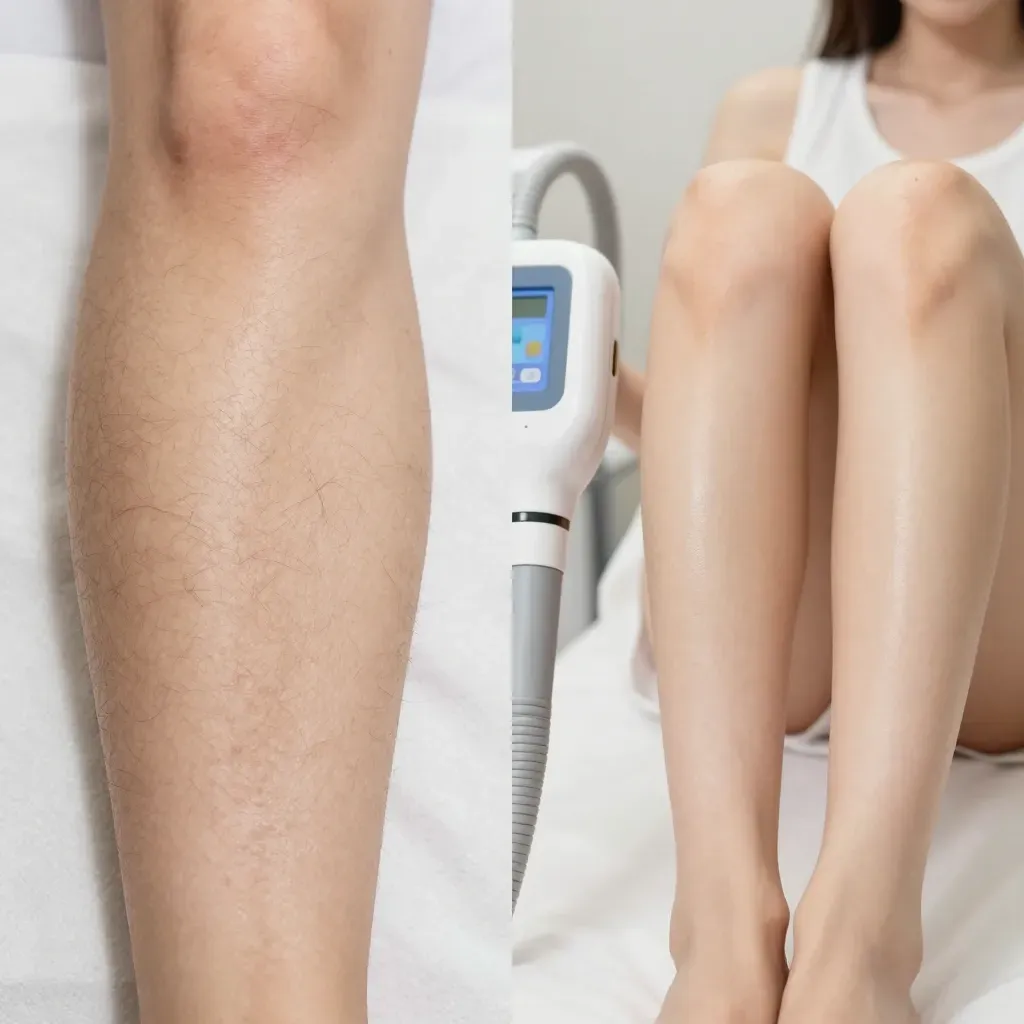
Shaving and waxing cause razor bumps. Hair breaks off. It curls back under the skin. Laser stops the cycle. Light targets hair pigment. Heat travels to the root. It destroys the follicle. Dead follicles grow no hair. No hair means no trapped hairs. This makes it a top choice for permanent ingrown hair removal.
Treatment timeline
You need multiple sessions. Hair grows in stages. Lasers only hit active growth. Most need 6 to 8 treatments. Spaced weeks apart.
- Sessions take minutes
- Target large areas fast
- Works best on dark hair light skin
- Newer tech works on most tones
Clinic vs home devices
Clinics use strong machines. Faster results. High cost. You can also treat yourself. Home IPL devices work too. They need more time. Less intense. See if at-home laser hair removal works for your skin. Good for touch ups. Check out a good laser hair removal tool at home to save money.
Comparing treatment options
Feature | Clinic Laser | At-Home Device |
|---|---|---|
Power | High | Low |
Cost per session | High | Low |
Speed | Fast | Slow |
Ingrown prevention | Excellent | Good |
Learn about the link between laser hair removal and ingrown hairs.
Electrolysis offers another permanent option targeting individual hair roots
How electrolysis works
A fine probe slides into each follicle. A small current destroys the root. No hair can regrow from that follicle. Unlike laser it works on all hair colors and skin tones. No pigment needed. This makes it the only FDA approved permanent hair removal method for every hair type.
Why it helps with ingrowns
Shaving cuts hair at the surface. Curly hair folds back into the skin. Electrolysis kills the root. That hair never grows back. No regrowth means no new ingrown hairs. The area stays clear long term. It directly targets the source of the problem.
Treatment details
- Each hair treated one at a time
- Sessions last 15 to 60 minutes
- Multiple sessions needed per area
- Small areas clear faster than large ones
Electrolysis vs laser for ingrowns
Factor | Electrolysis | Laser |
|---|---|---|
Hair color | All colors | Dark best |
Skin color | All tones | Varies |
Speed | Slow | Fast |
Pain level | Moderate | Low to moderate |
Permanence | Proven permanent | Long term reduction |
For stubborn spots electrolysis fills the gap laser leaves. Some people combine both methods. Laser clears large areas fast. Electrolysis picks off remaining hairs laser missed. Together they deliver the most complete permanent ingrown hair removal.
Laser Hair Removal as a Permanent Solution for Ingrown Hairs
How Laser Prevents Ingrown Hairs
Laser hair removal targets melanin in hair follicles. The light energy damages the follicle. This inhibits future hair growth. Fewer hairs mean fewer ingrown hairs. It treats the root cause not just the symptom. The process requires multiple sessions. Hairs grow in cycles. Laser only works on active growth phases. Consistent treatment leads to permanent hair reduction.
Effectiveness and Number of Sessions
Results vary by individual. Most need 6-8 sessions for significant reduction. Sessions are spaced 4-6 weeks apart. Maintenance sessions may be needed yearly. Hair becomes finer and lighter. Ingrown hairs decrease with each session. Long-term smooth skin is the goal. Patience is required for full results.
Skin Type and Hair Color Considerations
Laser works best on light skin with dark hair. Contrast allows precise targeting. Modern lasers like Nd:YAG treat darker skin safely. At-home devices for dark skin exist but are less powerful. Light blonde or grey hair contains less melanin. Laser is less effective on these hair colors. A professional consultation determines suitability.
Aftercare and Managing Side Effects
Skin may be red and tender post-treatment. Use cool compresses. Avoid sun exposure and heat. Exfoliate gently after a few days. This prevents new ingrown hairs. Keep skin moisturized. Do not pick or scratch the area. Proper aftercare reduces complications. See ingrown hair treatment for post-procedure care tips.
Comparison of Permanent Hair Removal Methods
Method | Permanence | Ingrown Hair Risk | Best For |
|---|---|---|---|
Laser Hair Removal | Permanent reduction | Very low after full treatment | Most skin and hair types with proper laser |
Electrolysis | Permanent removal | Very low | All hair colors, small areas |
Waxing/Sugaring | Temporary (weeks) | High | Short-term smoothness |
Shaving | Temporary (days) | Very high | Quick fix, high ingrown risk |
Laser offers the best balance of permanence and efficiency for most people. It directly reduces hair growth the primary cause of ingrown hairs. Consult a certified technician to choose the right laser machine for your skin and hair type.
Electrolysis for Complete Permanent Hair Removal
How Electrolysis Works
A fine probe inserts into each hair follicle. A small electrical current destroys the root. The hair is then removed with tweezers. This process kills the follicle permanently. Unlike laser, electrolysis treats every single hair individually. No hair growth cycle limitations. Every follicle gets targeted directly.
Why Electrolysis Eliminates Ingrown Hairs Completely
Ingrown hairs form when hair curls back into the skin. Electrolysis removes the entire hair and destroys its source. No new hair can grow from that follicle. No hair means no ingrown hair possible. This makes it the only FDA-approved permanent hair removal method. It works on all skin tones and all hair colors.
Electrolysis vs Laser for Ingrown Hair Prevention
Factor | Electrolysis | Laser |
|---|---|---|
FDA permanent status | Yes | No (permanent reduction) |
Works on blonde/grey hair | Yes | No |
Treatment speed | Slow (per hair) | Fast (per area) |
Pain level | Moderate to high | Low to moderate |
Session count | 15-30+ sessions | 6-8 sessions |
Best suited for | Small areas, light hair | Large areas, dark hair |
What to Expect During Treatment
- Each session lasts 15-60 minutes depending on area size
- Some discomfort described as stinging or pricking
- Topical numbing cream can be applied before treatment
- Slight redness and swelling after each session
- Hair sheds naturally within a week post-treatment
Cost and Time Commitment
Electrolysis requires a serious time investment. Treatments are frequent at first then spread out. Total cost ranges from a few hundred to several thousand dollars depending on the area. Upper lip and chin are common treatment zones for facial hair removal. Electrolysis costs more per session than laser. But results are truly permanent with no maintenance needed. For stubborn ingrown hairs that keep returning after other methods, electrolysis is the final solution. Some people combine laser for large areas and electrolysis for remaining stubborn hairs for complete clearance.
Preventing Ingrown Hairs After Treatment
Immediate Post-Treatment Care
Keep treated areas completely clean. Avoid hot showers for 24 hours. Skip gym sessions to prevent sweat irritation. Wear loose clothing. Tight fabrics trap bacteria and cause friction. Friction causes hairs to curl back into the skin.
Exfoliation Routine
Exfoliate 48 hours post-treatment. Remove dead skin cells blocking hair follicles. Chemical exfoliants work best. Salicylic acid unclogs pores. Glycolic acid resurfaces skin. Physical scrubs cause micro-tears. Avoid them entirely. Find the best hair removal without ingrown hairs by sticking to chemical exfoliation.
Exfoliant Type | Best For | Usage Frequency |
|---|---|---|
Salicylic Acid (BHA) | Oily and acne-prone skin | Daily |
Glycolic Acid (AHA) | Dry and normal skin | 2-3 times a week |
Urea Cream | Thick and rough skin | Daily |
Moisturizing and Skin Hydration
Hydrate skin constantly. Dehydrated skin hardens. Hard skin traps hairs. Apply fragrance-free lotion right after showering. Lock in moisture immediately. Use light non-comedogenic products. Heavy oils block follicles.
Managing Stubborn Hairs
Dormant hairs sometimes surface during permanent ingrown hair removal. Do not pick or tweeze. Use a warm compress. Bring the hair to the surface safely. Learn how to remove an ingrown hair that is deep without causing scarring. Use sterile tools only. If bumps persist try targeted at-home ingrown hair removal products.
Long Term Maintenance
- Attend all scheduled laser or electrolysis sessions
- Replace razors weekly if you still shave
- Shave in the direction of hair growth only
- Wear breathable fabrics like cotton
- Change bedsheets weekly