
Table of Contents
Dermatologists specialize in diagnosing and extracting ingrown hairs using sterile tools. They distinguish between razor bumps, cysts, and infections to provide accurate treatment. Doctors use sterile needles and tweezers to release trapped hairs safely, preventing scarring and infection common with at-home attempts. Prescription retinoids, antibiotics, and steroid injections treat severe inflammation and infections. Laser hair removal offers permanent prevention by destroying hair follicles entirely. Board-certified dermatologists deliver comprehensive treatment plans that address both current ingrown hairs and long-term prevention.
Question | Answer |
|---|---|
What doctor removes ingrown hairs? | Board-certified dermatologists specialize in diagnosing and extracting ingrown hairs safely with sterile tools. |
How do dermatologists remove deep ingrown hairs? | Doctors use sterile needles to create tiny incisions and lift trapped hairs out horizontally without pulling from the root. |
What medications treat infected ingrown hairs? | Doctors prescribe topical or oral antibiotics for infections, retinoid creams to unclog follicles, and corticosteroid injections for severe swelling. |
Does laser hair removal stop ingrown hairs permanently? | Laser destroys hair follicles so no hair remains to curl back into the skin, making it the most effective long-term solution. |
Why avoid removing ingrown hairs at home? | Home extraction risks infection, permanent scarring, and pushing hair deeper into the skin. |
Dermatologists specialize in diagnosing and removing ingrown hairs.
Wondering what doctor removes ingrown hairs? Visit a dermatologist. These skin specialists treat hair follicles, severe inflammation and deep infections. General practitioners handle basic cases but dermatologists provide advanced care.
Accurate diagnosis
Not every red bump is an ingrown hair. Dermatologists distinguish between standard razor bumps, ingrown hair cysts, folliculitis and other skin conditions. Misdiagnosing a bump leads to scarring or severe infection.
- Pseudofolliculitis barbae (razor bumps)
- Deep embedded hairs
- Ingrown hair cysts
- Bacterial or fungal infections
Sterile professional extraction
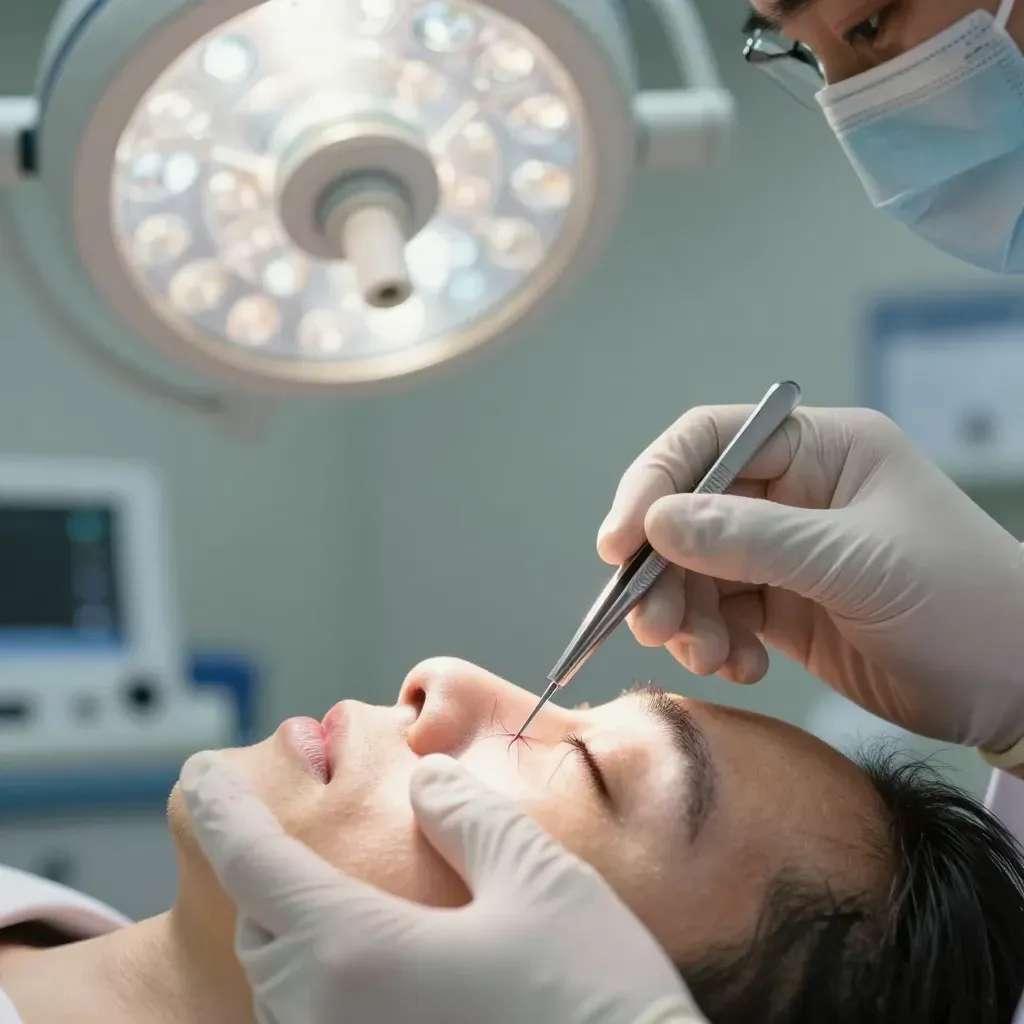
Picking at skin causes permanent damage. Dermatologists use sterile surgical needles or tiny blades to release trapped hairs safely. They minimize tissue trauma.
Home Extraction | Dermatologist Extraction |
|---|---|
High infection risk | Sterile medical environment |
High scarring chance | Minimal trauma |
Can push hair deeper | Complete hair release |
Doctors also prescribe targeted medications. Retinoid creams clear dead skin cells. Antibiotic ointments resolve infections. Corticosteroids reduce severe swelling. For chronic or recurring issues, dermatologists often recommend ingrown hair removal treatment to stop hairs from growing back entirely.
Doctors extract deep hairs using sterile needles and tools.
Deep ingrown hairs sit far below the skin surface. Home remedies fail here. Dermatologists use specialized tools to reach and remove trapped hairs without causing further damage.
Tools doctors use
- Sterile lancets or fine needles
- Pointed tweezers (never squeezing)
- Comedone extractors
- Minor surgical blades
The process is straightforward. The doctor cleans the area with antiseptic. A sterile needle creates a tiny incision over the bump. This releases the trapped hair from the follicle. Pointed tweezers then gently lift the hair out without pulling from the root.
What happens during the procedure
Step | What the doctor does |
|---|---|
Prep | Antiseptic cleanse and local numbing if needed |
Incision | Small sterile needle puncture to open the skin |
Extraction | Gentle lift of the hair shaft with tweezers |
Aftercare | Antibiotic ointment and bandage applied |
Deep hairs often form hard lumps or ingrown hair cysts. These require more than a quick tweeze. A doctor may drain pus or prescribe oral antibiotics if infection has spread. For deeply embedded hairs that keep returning, the doctor will likely suggest professional ingrown hair removal treatment options like laser therapy to destroy the follicle.
Attempting this at home with a sewing needle or regular tweezers introduces bacteria. It also tears surrounding tissue. Leave deep extractions to a trained professional.
Prescription retinoids and antibiotics treat severe skin inflammation.
When ingrown hairs trigger intense swelling, redness or pus, over-the-counter creams rarely work. Doctors prescribe stronger medications to calm the skin and prevent scarring.
Topical retinoids
Retinoids speed up skin cell turnover. Old cells shed faster, clearing blocked follicles before new hairs get trapped. Doctors prescribe tretinoin, adapalene or tazarotene for persistent razor bumps.
- Thin outer skin layers
- Unclog hair follicles
- Fade dark post-inflammatory marks
- Reduce thickened skin texture
Antibiotics
Infected ingrown hairs need antimicrobial treatment. Topical antibiotic ointments like mupirocin work for mild cases. Oral antibiotics (doxycycline, minocycline) treat deeper infections spreading across the skin.
Medication type | Use case |
|---|---|
Topical mupirocin | Small infected bumps |
Oral doxycycline | Red spreading rash, swollen lymph nodes |
Combination therapy | Severe folliculitis or cystic lesions |
Steroid injections
For extremely inflamed, painful nodules, doctors inject corticosteroid directly into the bump. This reduces swelling within 24-48 hours and prevents permanent scarring.
Combining prescription creams with professional ingrown hair removal treatment gives the best long-term results. Medication clears inflammation. Laser or electrolysis destroys the follicle so hair never grows back.
Professional laser hair removal stops ingrown hairs from returning.
Medications and extractions treat existing ingrown hairs. Laser targets the root cause entirely. By destroying hair follicles, there is no hair left to curl back into the skin.
Why laser works for ingrown hairs
- Eliminates the hair shaft that gets trapped
- Reduces hair thickness over multiple sessions
- Works on curly or coarse hair types most prone to ingrowth
- Effective for large areas like legs, bikini line and beard
Shaving and waxing cut hair at or below skin level. This creates sharp tips that easily pierce surrounding skin. Laser bypasses this problem completely by disabling the follicle with targeted light energy.
Laser vs other permanent methods
Method | Speed | Best for |
|---|---|---|
Laser hair removal | Fast, treats large areas | Dark hair on light to medium skin |
Electrolysis | Slow, one follicle at a time | All hair and skin colors |
Prescription creams | Ongoing daily use | Mild prevention only |
What to expect
Most patients need 6-8 sessions spaced 4-6 weeks apart. Hair grows back thinner and lighter after each treatment. By session four, many notice a drastic drop in razor bumps and skin irritation.
Laser works particularly well for the bikini area where groin ingrown hair removal is painful and difficult. It also helps those with pseudofolliculitis barbae on the neck and jawline. Permanent laser hair removal is the only method that addresses both the symptom and the source.
Visit a board-certified dermatologist for safe treatment.
Self-treatment of ingrown hairs often makes things worse. Squeezing, digging with non-sterile tools, or using harsh chemicals causes infection, permanent scarring, and skin discoloration. A board-certified dermatologist provides safe, effective care.
Risks of at-home extraction
- Introduces bacteria into the skin causing cellulitis
- Tears surrounding tissue leading to scars
- Pushes hair deeper creating a cyst
- Misdiagnoses melanoma or other serious conditions
Accurate diagnosis
Many skin conditions mimic ingrown hairs. Dermatologists distinguish between:
- Pseudofolliculitis barbae (razor bumps)
- Folliculitis (infected follicles)
- Sebaceous cysts
- Molluscum contagiosum
- Skin cancer
Using a dermatoscope, they examine the hair's path under the skin. This determines if extraction is possible or if a biopsy is needed.
Professional tools and environment
Home Method | Dermatologist Method |
|---|---|
Unsanitized needle/tweezers | Sterile, single-use instruments |
No anesthesia | Topical numbing available |
Blind guessing | Magnification and proper lighting |
High scarring risk | Precise incision with minimal trauma |
Comprehensive treatment plans
Dermatologists don't just remove one hair. They create a plan to prevent recurrence. This often includes:
- Prescription retinoids (tretinoin) to prevent plugged follicles
- Topical antibiotics or benzoyl peroxide washes
- Recommendation of professional laser hair removal for permanent reduction
- Advice on proper shaving technique and exfoliation
Board certification matters
Board-certified dermatologists complete four years of residency training specifically in skin, hair, and nail disorders. They can perform procedures, prescribe medications, and administer advanced treatments like laser therapy safely. Check your doctor's credentials through the American Board of Dermatology.
For chronic or severe ingrown hairs, especially in the bikini area or on the face, professional intervention is non-negotiable. The cost of a dermatologist visit is far less than treating a serious infection or permanent scar.