
Table of Contents
A professional ingrown hair removal tool lifts and extracts hairs trapped beneath the skin surface. Types include precision tweezers for surface hairs extractor loops for bumps without exposed tips and curved needle extractors for deep cystic ingrowns. Professional grade tools use surgical stainless steel with needle-point tips for clean extraction minimal tissue damage and autoclave safe sterilization. Safe at home use requires steaming the skin sterilizing tools with rubbing alcohol and applying gentle outward pressure never digging into skin. Stop DIY extraction and see a dermatologist if you notice pus fever red streaks hard immovable lumps or recurring ingrowns in the same spot. For permanent prevention laser hair removal destroys the follicle entirely eliminating regrowth and future ingrown hairs in 6 to 8 sessions.
Question | Answer |
|---|---|
What does a professional ingrown hair removal tool do | It lifts and extracts hairs trapped beneath the skin surface with minimal tissue damage. |
How do you sterilize ingrown hair tools at home | Dip stainless steel tools in 70 percent isopropyl alcohol before and after each use. |
When should you see a doctor instead of removing an ingrown hair yourself | See a doctor if you notice pus fever red streaks hard lumps or severe pain around the area. |
Can laser hair removal stop ingrown hairs permanently | Yes laser destroys the hair follicle completely so no new hair can grow and become trapped. |
Are at home IPL devices effective for ingrown hairs caused by coarse curly hair | No professional lasers are stronger and reach deeper into the follicle making them better for coarse hair types. |
What a professional ingrown hair removal tool actually does
A professional ingrown hair removal tool targets hairs trapped beneath the skin surface. These tools lift and extract curled hairs that grow sideways or downward into the follicle wall instead of outward.
Core Functions
- Opens the skin layer above the trapped hair
- Grasps the hair shaft for clean extraction
- Clears the follicle of buildup and debris
- Reduces inflammation around the affected area
Ingrown hairs happen when cut hair curls back into the skin. Shaving, waxing, and plucking cause this. Coarse and curly hair types face higher risk. The hair re-enters the skin instead of growing out. This creates red bumps, pain, and sometimes infection.
Professional vs Regular Tools
Feature | Professional Tool | Regular Tool |
|---|---|---|
Material | Surgical stainless steel | Standard metal |
Tip Precision | Extra fine pointed | Basic slanted |
Sterilization | Autoclave safe | Limited |
Grip | Textured handle | Smooth handle |
Durability | Years of use | Months |
Professional tools feature needle-point tips that slide under the skin without tearing. They hook the hair loop and pull it free. The design minimizes tissue damage and scarring.
Estheticians and dermatologists rely on these tools for precise extraction. They treat ingrown hairs in sensitive areas like the bikini line, neck, and jaw. Each tool reaches deep into the follicle to grab the hair at its base.
Some tools combine features. Extractor kits include lancets to open pores and hooked needles to lift hairs. These multi-tool sets handle everything from surface ingrowns to deep cystic hairs that will not surface on their own.
Top types of professional tools for ingrown hair extraction
Precision Tweezers
Fine-point tweezers are the most common professional tool. They feature tapered, needle-like tips that slide beneath the skin surface. This design grabs the hair shaft cleanly without pinching surrounding tissue. They work best for hairs with a visible loop or tip breaking through the skin. Stainless steel construction allows for proper sterilization between clients.
Extractor Loops
These tools have a small, spoon-shaped loop at the tip. The loop fits over the bump and applies gentle pressure from the side. This pushes the skin up and frees the trapped hair. They are effective for ingrowns with a larger surface bump but no exposed hair tip. The curved shape distributes pressure evenly to minimize pain.
Curved Needle Extractors
For deeply embedded hairs, a curved hook needle is necessary. The sharp tip penetrates the skin above the hair path. The hook catches the hair loop and lifts it out. This tool requires significant skill to use correctly. Improper use can cause scarring or infection. Professionals use it for stubborn, recurrent ingrowns that other tools cannot reach.
Combo Extractor Kits
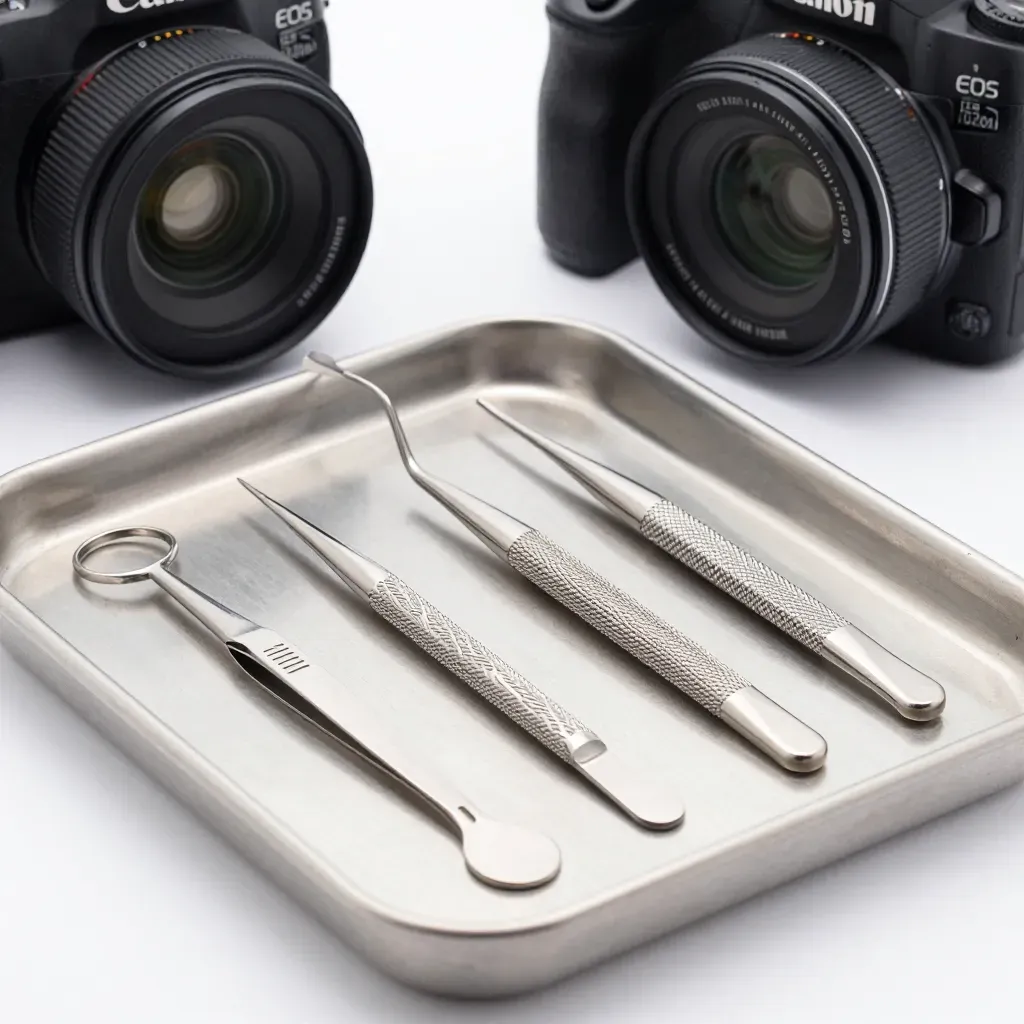
Many professionals buy multi-tool kits. A typical kit includes a lancet to open the skin, a hook needle for deep hairs, and a loop for surface bumps. Kits like the professional ingrown hair remover offer all necessary instruments in one sterile pack. This is cost-effective for estheticians and dermatologists.
Tool Type | Best For | Key Feature | Skill Level |
|---|---|---|---|
Precision Tweezers | Surface hairs with exposed loop | Needle-point tips | Beginner to pro |
Extractor Loop | Bumps without exposed hair | Spoon-shaped pressure edge | Intermediate |
Curved Needle | Deep, cystic ingrown hairs | Hooked tip for lifting | Advanced professional only |
Combo Kit | Variety of ingrown types | Multiple tools in one | Varies by tool |
All professional tools must be autoclaved or soaked in medical-grade disinfectant after each use. Reusing tools without proper sterilization spreads bacteria and causes infections. Single-use disposable options exist for high-risk clients or sensitive areas.
How to use ingrown hair removal tools safely at home
Prepare skin and tools first
Wash hands and skin with mild soap. Steam skin with a warm towel for 5 minutes to soften and open pores. This reduces required pressure.
Sterilize every tool
Tool Type | Sterilization Method | Frequency |
|---|---|---|
Stainless steel extractors | Dip in rubbing alcohol (70% isopropyl) | Before & after each use |
Fine-tipped tweezers | Wipe with alcohol pad or flame (if metal) | Before & after each use |
Reusable tools | Boil for 10 minutes (if heat-safe) | Weekly deep clean |
Apply correct technique
- Place looped end of extractor flat against skin around bump.
- Apply gentle, even pressure downward and outward.
- Never dig or pierce skin. Let hair surface naturally.
- Use tweezers only for visible hair tips. Grasp hair base, pull straight out.
- Stop if significant pain or bleeding occurs.
Follow immediate aftercare
Apply a small amount of antibiotic ointment or antiseptic. Use a non-comedogenic moisturizer with aloe. Avoid tight clothing and sweating for 24 hours. Do not shave or wax the area for 48 hours.
Know when to stop
Do not attempt on deeply embedded, painful, or cyst-like bumps. Do not share tools. Replace disposable tools after one use.
Warning signs that require professional treatment instead of DIY.
Signs of Active Infection
Stop immediately if you see increasing redness, swelling, warmth, or pus. Fever or red streaks spreading from the area indicate a serious infection requiring antibiotics from a doctor.
Deep, Painful, or Cyst-Like Bumps
Do not attempt to extract hard, large, or deeply embedded bumps. These are often sebaceous cysts or deeply trapped hairs. Improper pressure can push infection deeper, cause severe scarring, or require surgical drainage.
Repeated Ingrown Hairs in the Same Spot
Frequent ingrowns in one location suggest an underlying issue like curly hair growing sideways, dead skin buildup, or follicle damage. A dermatologist can diagnose the cause and provide long-term solutions.
Significant Scarring or Hyperpigmentation
If your skin already has dark spots, raised scars, or textured areas from past ingrowns, DIY extraction will likely worsen it. Professionals can use sterile techniques and recommend treatments to heal existing damage.
Areas with Thin or Sensitive Skin
Avoid DIY on the face, bikini line, or underarms if skin is very sensitive, inflamed, or recently treated (e.g., after waxing, chemical peels, or retinoids). These areas are prone to tearing and infection.
Symptom | DIY Risk | Professional Solution |
|---|---|---|
Pus or Oozing | Spreads infection | Sterile drainage + antibiotics |
Hard, Immobile Lump | Causes rupture & scarring | Medical evaluation & possible excision |
Recurring in Same Place | Worsens follicle damage | Laser hair removal to destroy follicle |
Severe Pain | Nerve damage, abscess | Prescription pain management & treatment |
When You Have Underlying Skin Conditions
- Acne or folliculitis: Inflamed follicles are fragile. Extraction can trigger more breakouts.
- Diabetes or weakened immune system: Even minor wounds can lead to serious infections.
- Poor circulation: Slower healing increases complication risks.
For chronic sufferers, explore permanent solutions like laser hair removal to eliminate the follicle and prevent regrowth entirely.
Long-term solutions like laser to prevent recurring ingrown hairs.
Why laser destroys ingrown hairs permanently
Tweezers and extractors only fix the current problem. They do not stop future ingrown hairs. Laser hair removal targets the root cause. It destroys the hair follicle completely. Once destroyed, the follicle cannot grow new hair. No new hair means no trapped hair. No trapped hair means no ingrown hairs.
Comparing daily extraction to permanent removal
Method | Extraction Tools | Laser Hair Removal |
|---|---|---|
Action | Pulls existing hair | Destroys follicle entirely |
Frequency | Daily or weekly maintenance | 6 to 8 sessions total |
Long-term result | Temporary fix, scars remain | Permanent hair reduction |
IPL devices vs professional laser treatments
At-home IPL devices work for fine hair but lack power for coarse, curly hair that causes severe ingrowns. Professional lasers target melanin deeper in the follicle. Salon devices also feature cooling mechanisms to protect skin while treating active bumps. Clinical strength provides faster, safer clearance for chronic ingrowns.
Best body areas for laser treatment
- Bikini line and Brazilian area. Coarse hair here causes severe razor bumps and requires specialized laser care.
- Face and chin. Prevents stubborn hormonal ingrowns.
- Neck and jawline. Common spot for shaving rash.
- Underarms and legs. High friction zones prone to trapped hairs.
Stop relying on physical tools. Consider permanent ingrown hair removal to eliminate the issue entirely. If you suffer from deep embedded hairs, professional treatment is safer than using a deep ingrown hair removal tool at home.