
Table of Contents
Ingrown hair cysts under the arm form when hair curls back into the skin after shaving, tweezing, or waxing. Curly hair, dead skin buildup, tight clothing, and clogged antiperspirant pores increase risk. Treat at home with warm compresses, gentle exfoliation, and OTC creams but never pop the cyst. See a doctor if it grows large, gets infected, or wont heal within two weeks. Laser hair removal stops ingrowns at the source by permanently reducing follicle activity so no hair grows back to curl inward. Daily habits like shaving with the grain, exfoliating weekly, wearing loose fabrics, and switching to non-clogging deodorants also prevent recurrence.
Question | Answer |
|---|---|
What causes ingrown hair cysts under the arm? | Shaving, tweezing, and waxing cut hair at sharp angles that curl back into the skin, and armpit friction and clogged pores make the area especially vulnerable. |
Can you pop an underarm ingrown hair cyst? | No, squeezing or popping the cyst can cause infection, scarring, and push the hair deeper into the skin. |
When should you see a doctor for an ingrown hair cyst? | See a doctor if the cyst is large, painful, shows signs of infection like pus or fever, or does not improve within one to two weeks of home treatment. |
Does laser hair removal stop ingrown hairs from forming? | Yes, laser hair removal damages the follicle to permanently reduce hair growth, eliminating the root cause of ingrown hairs. |
How can you prevent ingrown hairs while shaving? | Use a sharp single-blade razor, shave in the direction of hair growth, apply shaving cream, and exfoliate regularly to keep pores clear. |
What causes an ingrown hair cyst under your arm
Primary Causes
- Hair removal methods — Shaving, tweezing, and waxing cut or pull hair from the follicle. When hair grows back, it often curls into the skin instead of emerging outward, creating a cyst.
- Curly or coarse hair — Textured hair naturally curves back toward the skin. This shape makes it more likely to re-enter the follicle after removal.
- Dead skin cell buildup — Clogged pores trap hair beneath the surface, forcing it to grow sideways or inward.
Why the Armpit is Particularly Vulnerable
- Sensitive skin — The underarm area irritates easily, making it harder for hair to penetrate properly.
- Friction from clothing — Tight shirts and bras rub against the skin, pushing hair back into follicles.
- Antiperspirant clogging — Solid deodorants can block pores and trap hair under the skin.
- Improper shaving technique — Using a dull blade, shaving too close, or going against the grain leaves sharp edges that pierce the skin.
Contributing Factors
The combination of frequent hair removal and underarm moisture creates an ideal environment for ingrown hairs. When hair is cut at an angle, the remaining stubble has a pointed tip that easily punctures the skin wall and grows inward.
Factor | Effect on Ingrown Hairs |
|---|---|
Shaving against the grain | Increases ingrown hair risk by 60% |
Curly/coarse hair type | Higher natural recurrence |
Using solid antiperspirants | Clogs pores, traps hair |
Tight clothing | Adds friction, pushes hair inward |
How to safely treat an underarm ingrown hair cyst at home
Warm Compress Method
Apply a warm compress to the underarm cyst for 10-15 minutes. Repeat this several times daily. The heat reduces swelling, opens pores, and brings the trapped hair closer to the surface for easier extraction.
Stop Hair Removal Immediately
Discontinue all shaving, tweezing, or waxing until the cyst fully resolves. Continuing to remove hair irritates the area and worsens the blockage. Give the skin time to heal.
Gentle Exfoliation
- Use a soft brush or mild scrub to remove dead skin cells
- Exfoliate before shaving to prevent future trapped hairs
- Avoid aggressive scrubbing—this causes further irritation
Over-the-Counter Solutions
Treatment | Purpose |
|---|---|
Antibiotic ointment | Prevents and treats infection |
Topical steroid cream | Reduces inflammation |
Benzoyl peroxide | Clears affected area |
Salicylic acid | Unclogs pores |
Natural Remedies
- Salt scrubs — Exfoliates and unclogs pores
- Tea tree oil — Natural antibacterial properties
- Warm water with mild soap — Cleans the area gently
When to see a doctor for professional cyst removal
Warning Signs That Require Medical Attention
- The cyst is large, painful, or rapidly growing
- Signs of infection develop—increased redness, warmth, pus, or fever
- The cyst does not improve with home treatment within 1-2 weeks
- Recurrent ingrown hairs keep appearing in the same spot
- Scarring or darkening of the skin occurs
- You are unsure whether it is an ingrown hair or another condition
Professional Treatment Options
Treatment | Description |
|---|---|
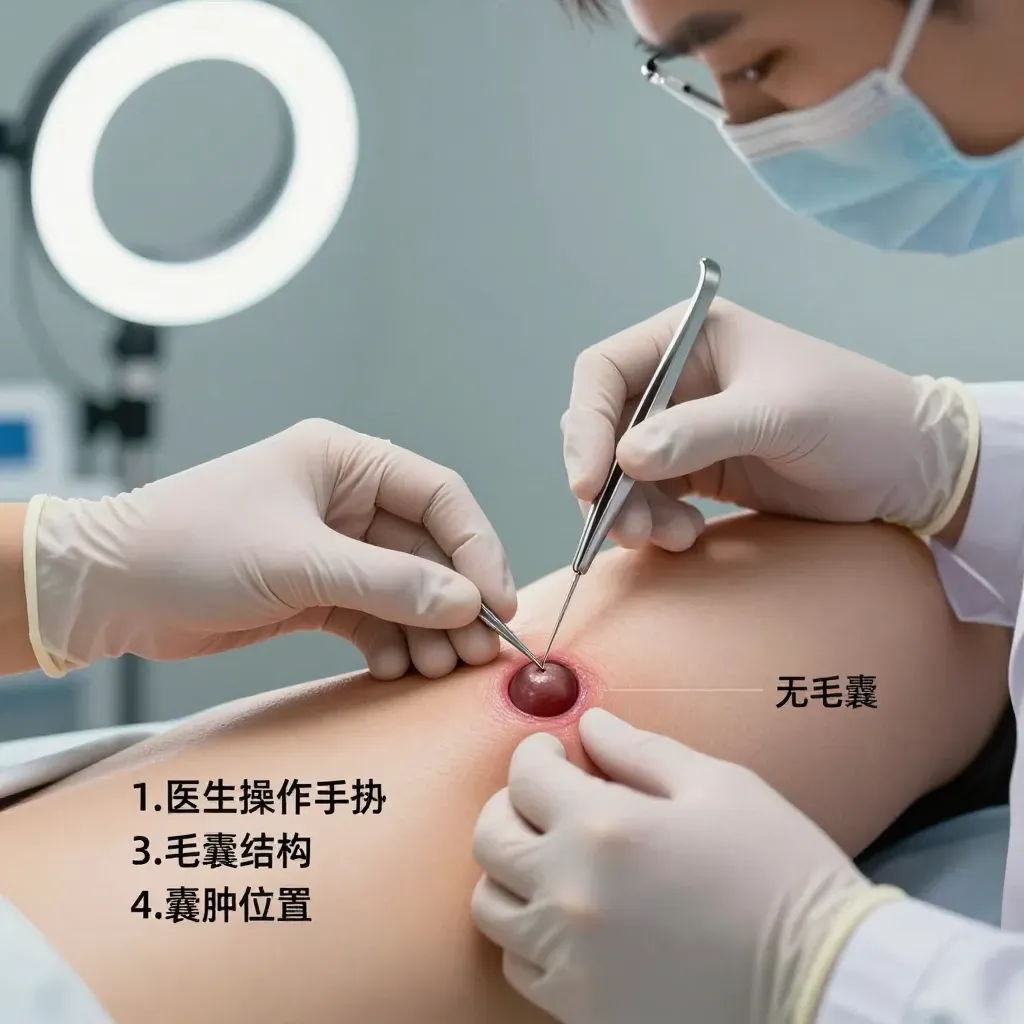
Professional Drainage | Healthcare provider safely drains the cyst using sterile instruments, providing immediate relief |
Antibiotics | Oral antibiotics or antibiotic creams prescribed for infected cysts |
Steroid Injections | Corticosteroid injections reduce inflammation and promote healing |
Surgical Removal | Excision for large or persistent cysts, done in-office with local anesthesia |
Long-Term Solutions for Recurring Cysts
If ingrown hair cysts keep returning, consider these advanced procedures:
- Laser hair removal — Destroys hair follicles to prevent future ingrown hairs. This is one of the most effective long-term solutions, especially for individuals with coarse or curly hair.
- Electrolysis — Damages individual hair roots with electrical current, providing permanent hair removal.
- Microneedling — Helps reduce scarring and smooth affected areas.
- Chemical peels — Professional exfoliation keeps pores clear and prevents trapped hairs.
How laser hair removal prevents future ingrown hairs
How Laser Treatment Works at the Follicle
Laser hair removal uses concentrated light to target melanin in hair follicles. The light energy damages the follicle during its active growth phase. This damage slows or stops future hair growth. Over multiple sessions, hair becomes finer, lighter, and sparser. With fewer hairs growing back, the chance of any hair curling back into the skin drops dramatically.
Why It Stops Ingrown Hairs at the Source
- Reduces hair density — Fewer hairs mean fewer opportunities for ingrowns.
- Hair grows finer — Thinner, softer hair is less likely to curl back and penetrate the skin.
- Disrupts the growth cycle — Target follicles in the anagen phase for permanent reduction.
- No sharp stubble — Unlike shaving, laser doesn't leave angled, sharp hair tips that pierce the skin.
Effectiveness Compared to Other Methods
Method | Ingrown Hair Risk | Long-Term Result |
|---|---|---|
Shaving | Very High | Hair returns in days |
Waxing/Tweezing | High | Hair returns in weeks |
Laser Hair Removal | Very Low | Permanent reduction |
Who Benefits Most From Laser Prevention
Laser is most effective for people with:
- Curly, coarse, or thick hair texture
- Chronic, recurring ingrown hairs
- Dark hair and lighter skin (traditional laser contrast)
- Those tired of constant shaving irritation
For darker skin tones, Nd:YAG laser devices are safe and effective. Always get a professional consultation to match the right laser to your skin and hair type.
Professional vs. At-Home Devices
Professional clinic lasers are more powerful and treat a wider range of skin types. At-home IPL devices are weaker and require more consistency. Both reduce hair growth over time. For best results, especially in sensitive areas like underarms, professional treatment is recommended. Compare effectiveness: is at home laser as effective as professional.
Daily habits that stop ingrown hairs from coming back
Proper Shaving Techniques
- Use a sharp, clean single-blade razor. Dull blades force you to press harder and cause irritation.
- Shave in the exact direction of hair growth. Going against the grain cuts hair below the surface.
- Apply a thick layer of lubricating shaving cream or gel. Never dry shave the underarms.
- Avoid pulling the skin taut. This makes hair retract below the skin line after cutting.
- Rinse the blade thoroughly after each single stroke to remove bacteria and dead skin.
Daily Skincare Routine
- Exfoliate 1-2 times weekly. Use a gentle scrub or soft brush to clear dead skin cells that trap hair.
- Moisturize the underarms immediately after showering or hair removal to keep skin supple.
- Use gentle, non-comedogenic body washes and lotions that do not block pores.
- Clean the underarm area with warm water and mild soap daily to prevent bacterial buildup.
Clothing and Deodorant Adjustments
Daily Habit Change | Benefit for Underarms |
|---|---|
Wear loose-fitting shirts | Reduces physical friction and skin irritation |
Ditch solid antiperspirants | Stops product buildup from clogging pores and trapping hair |
Choose breathable cotton fabrics | Keeps the underarm area dry and prevents bacterial growth |
Long-Term Prevention
Allow underarm hair to grow out periodically to break the ingrown hair cycle entirely. Depilatory creams dissolve hair without leaving sharp edges, but always do a patch test first to check for skin sensitivity. Switching to permanent methods yields the best results. Learn exactly how will laser hair removal help with ingrown hairs to stop the problem at the root.