
Table of Contents
Underarm ingrown hairs happen when hair curls back into the skin. Shaving with dull blades dead skin buildup tight clothes and curly hair texture all cause them. Underarms are especially prone due to constant friction warmth dense follicles and frequent hair removal. Stop shaving the area to treat existing ingrowns. Use warm compresses gentle scrubs and salicylic acid to free trapped hairs. Never squeeze or dig into bumps. For prevention exfoliate 2-3 times weekly shave with a sharp single-blade razor in the direction of hair growth and moisturize daily. Laser hair removal offers the most permanent solution by destroying follicles so hair cannot regrow. Professional clinics deliver fast results with expert supervision while at-home IPL devices cost less but work slower. Choose a licensed provider with verified reviews and always book a consultation first.
Question | Answer |
|---|---|
What causes underarm ingrown hairs? | Shaving too close dull blades dead skin cells tight clothing and naturally curly hair all trap hair beneath the skin surface. |
How do you treat an ingrown hair under your arm? | Apply a warm compress then gently scrub with a washcloth and use salicylic acid to exfoliate the area. |
Can laser hair removal stop ingrown hairs permanently? | Yes laser hair removal destroys the follicle so hair cannot grow back and get trapped under the skin. |
How do you prevent underarm ingrown hairs when shaving? | Use a sharp single-blade razor shave in the direction of hair growth and apply minimal pressure with shaving gel. |
When should you see a doctor for an ingrown hair? | See a professional if the bump is deep infected or does not heal after a week of home treatment. |
Understand what causes underarm ingrown hairs and why they are common.
Hair curls back or grows sideways into the skin instead of rising up. That's an ingrown hair.
Underarms are prime territory for this problem. The skin there is thin and folds constantly. Friction from clothing adds pressure. Sweat and bacteria create inflammation. All these factors trap hairs beneath the surface.
Top causes of underarm ingrown hairs
- Shaving too close cuts hair below skin level so it can't break through
- Dull blades tug hair unevenly causing irregular growth
- Tight clothing presses hair back into follicles
- Dead skin cells block the follicle opening
- Clogged pores from deodorant or sweat buildup
- Curly coarse hair types naturally curl back into skin
Why underarms are worse than other areas
Factor | Impact |
|---|---|
Constant friction | Arms move all day rubbing against fabric |
Warm moist environment | Promotes bacterial growth and swelling |
Dense hair growth | Follicles pack tight increasing blockage risk |
Frequent hair removal | Shaving or plucking every few days damages follicles |
Curved hair shafts | Natural underarm hair texture tends to curl |
Shaving is the biggest offender. Razor blades cut hair at an angle creating a sharp tip. That tip easily pierces the side of the follicle. Plucking and waxing can also leave hair trapped when it regrows.
Dead skin acts like a seal over the follicle. Normal exfoliation breaks that seal. Skip it and hair has nowhere to go but sideways into surrounding tissue.
The result is red bumps, pain, itching, and sometimes infection. Left untreated these can turn into dark scars that linger for months. Learn how to remove scars from ingrown hairs if you already have discoloration.
Understanding the root cause matters. Treat the cause not just the bump and you stop the cycle for good.
Learn the most effective treatment methods for existing underarm ingrown hairs.
Stop shaving the area immediately. Continued shaving worsens inflammation and creates more ingrowns.
At-home extraction methods
- Warm compress for 5-10 minutes softens skin and brings hair closer to surface
- Gentle circular scrub with a washcloth loosens trapped hair
- Sterilized needle to carefully lift the hair loop out of skin
- Tweezers only to pull the hair after it's fully exposed never dig for it
Topical treatments that work
Treatment | How it helps |
|---|---|
Salicylic acid | Exfoliates dead skin and unclogs follicles |
Benzoyl peroxide | Kills bacteria and reduces redness |
Retinoids | Speeds cell turnover preventing blockage |
Aloe vera | Soothes inflammation and calms irritated skin |
Tea tree oil | Antibacterial properties fight minor infection |
When to see a professional
Some ingrowns need clinical intervention. Deep or infected bumps that won't heal after a week of home care require a doctor or dermatologist. They can prescribe stronger topical medications or perform sterile extraction.
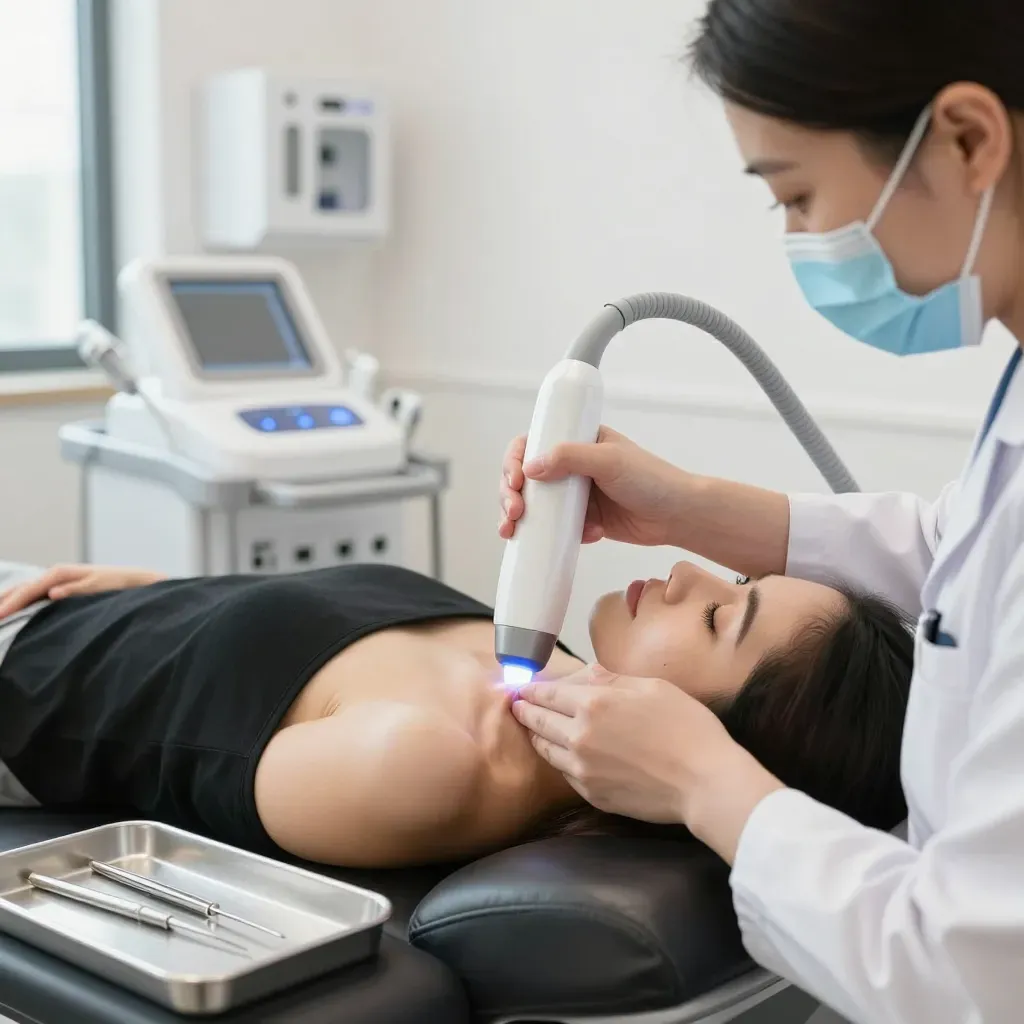
Laser hair removal targets the root problem. It destroys the hair follicle so hair can't grow back and get trapped. Laser hair removal can eliminate ingrown hairs permanently in most cases. It works especially well for underarms because the skin tone is usually lighter than surrounding areas making treatment safer and more effective.
For stubborn cases check out dermatologist ingrown hair removal near you for professional extraction with minimal scarring risk.
Consistency beats intensity. Apply treatments daily for at least a week before expecting results. Patience prevents permanent damage.
Discover key prevention strategies to avoid future underarm ingrown hairs.
Prevention is proactive. Stop new ingrown hairs before they start by changing your routine and tools.
Exfoliate Regularly
Remove dead skin cells that trap hairs. Do this 2-3 times per week.
- Use a gentle chemical exfoliant with salicylic acid
- Avoid harsh physical scrubs that irritate
- Apply in circular motions toward hair growth
- Rinse thoroughly with lukewarm water
Shave Smarter
How you shave matters more than how often.
Do This | Avoid This |
|---|---|
Use a sharp single-blade razor | Dull multi-blade razors |
Shave in direction of hair growth | Shaving against the grain |
Apply minimal pressure | Pressing razor into skin |
Use shaving gel or cream | Shaving dry or with soap |
Rinse blade after every stroke | Let hair and cream buildup on blade |
Moisturize Properly
Hydrated skin stays flexible. Hair breaks through easier.
- Choose oil-free non-comedogenic moisturizers
- Apply daily especially after showering
- Look for ingredients like ceramides hyaluronic acid
- Skip heavy ointments that clog pores
Consider Long-Term Solutions
Stop the cycle at the source by removing hair permanently.
Laser hair removal damages follicles so hair cannot regrow. It's highly effective for underarms. Find the best IPL laser hair removal options for home use or locate a professional clinic for faster results.
Method | Best For | Considerations |
|---|---|---|
Professional laser | Permanent results darker hair lighter skin | Higher cost multiple sessions required |
At-home IPL devices | Maintenance lighter hair gradual reduction | Slower results requires consistency |
Electrolysis | All hair colors true permanent | Time-intensive per-hair treatment |
Wear loose breathable fabrics. Avoid tight undershirts or synthetic blends that trap sweat and rub against skin.
Prevention beats treatment every time. Consistent simple habits keep underarms clear.
Compare professional clinic treatments with effective at-home removal options.
Choose between clinical power and home convenience based on your budget and time.
Professional Clinic Treatments
Dermatologists and laser clinics use medical-grade tools. They target deep follicles and severe ingrown scars safely.
- Medical lasers destroy hair follicles permanently
- Sterile extraction prevents infection and scarring
- Prescription retinoids speed up cell turnover
- Chemical peels clear severe dead skin buildup
High upfront cost. Fast visible results. Find top rated laser clinics for professional underarm treatment.
At-Home Removal Options
IPL devices and topical acids manage mild to moderate ingrowns. Requires consistent weekly use.
- IPL handsets reduce hair growth over months
- Salicylic acid serums dissolve trapped dead skin
- Exfoliating mitts release shallow hairs
- Hydrocolloid patches draw out deep pus
Low one-time cost. Slower progress. Compare affordable at-home laser machines to stop underarm ingrowns. Learn proper technique before starting. Follow this guide on how to use at-home laser hair removal safely.
Direct Comparison
Feature | Professional Clinic | At-Home Option |
|---|---|---|
Cost | High per session | One device purchase |
Speed | Fast permanent clearance | Weeks for visible change |
Safety | Expert supervised | User controlled risk |
Pain | Moderate sharp zaps | Mild heat sensation |
Best For | Severe chronic ingrowns | Mild cases maintenance |
Find and choose reputable local services for underarm ingrown hair removal.
Picking the right provider makes the difference between clear skin and wasted money.
Where to search
- Google Maps for nearby laser clinics and dermatologists
- Yelp and RealSelf for verified patient reviews
- Ask your primary doctor for a referral
- Check board-certified dermatologist directories
Red flags to avoid
Red Flag | Why It Matters |
|---|---|
No before and after photos | Lacks proof of results |
Prices way below market rate | Often means low-quality equipment |
No consultation offered | Reputable clinics always assess your skin first |
Unlicensed technicians | Laser burns and scarring risk increases |
Pressure to buy packages same day | Sales-driven not patient-driven |
Questions to ask before booking
- What laser technology do you use for underarms
- How many sessions will my skin type require
- Is the technician certified and insured
- What happens if I get an ingrown hair between sessions
- Do you offer free patch tests
Always book a consultation first. A good provider examines your underarms checks your skin tone and hair color then gives you a realistic treatment plan.
Search for dermatologist ingrown hair removal near you to find qualified specialists. For laser-specific options explore top-rated local laser clinics that also treat underarms.
Compare at least three providers. Look at their reviews specifically for ingrown hair treatment not just general hair removal. Pay attention to how they respond to negative reviews. That tells you how they handle complications.