
Table of Contents
Urban ingrown hair removal videos highlight extraction techniques but often skip critical safety steps. This guide details the correct DIY removal process, compares home tools to professional equipment, and explains prevention methods like chemical exfoliation and proper shaving. It also identifies infection warning signs that require a doctor and suggests permanent laser removal for chronic issues.
Question | Answer |
|---|---|
What are the basic steps for safe ingrown hair extraction? | Clean the skin with antiseptic, lift the skin flap gently with a sterile tool, pull the hair in the direction of growth, and apply soothing aftercare. |
How can you prevent ingrown hairs from forming? | Prevent ingrowns by using chemical exfoliants like salicylic acid, shaving with a single-blade razor in the direction of growth, and keeping skin moisturized. |
When should you stop DIY extraction and see a doctor? | Stop DIY removal and seek medical help if you notice spreading redness, pus, increased pain, warmth, or a fever. |
What is the only permanent cure for chronic ingrown hairs? | Laser hair removal or IPL destroys the hair follicle entirely so the hair cannot grow back and become ingrown. |
Why are professional extraction tools better than home tools? | Professionals use precise surgical blades, autoclave sterilization, and magnification lamps to reduce skin trauma and infection risk. |
What you see in an urban ingrown hair removal video
Urban ingrown hair removal videos show close-up extraction of trapped hairs from curly or coarse hair types. These videos focus on common problem areas like the beard line, bikini zone, and legs.
Most follow a similar pattern.
- Clean the area with antiseptic
- Identify the ingrown hair under the skin
- Exfoliate or lift the skin flap
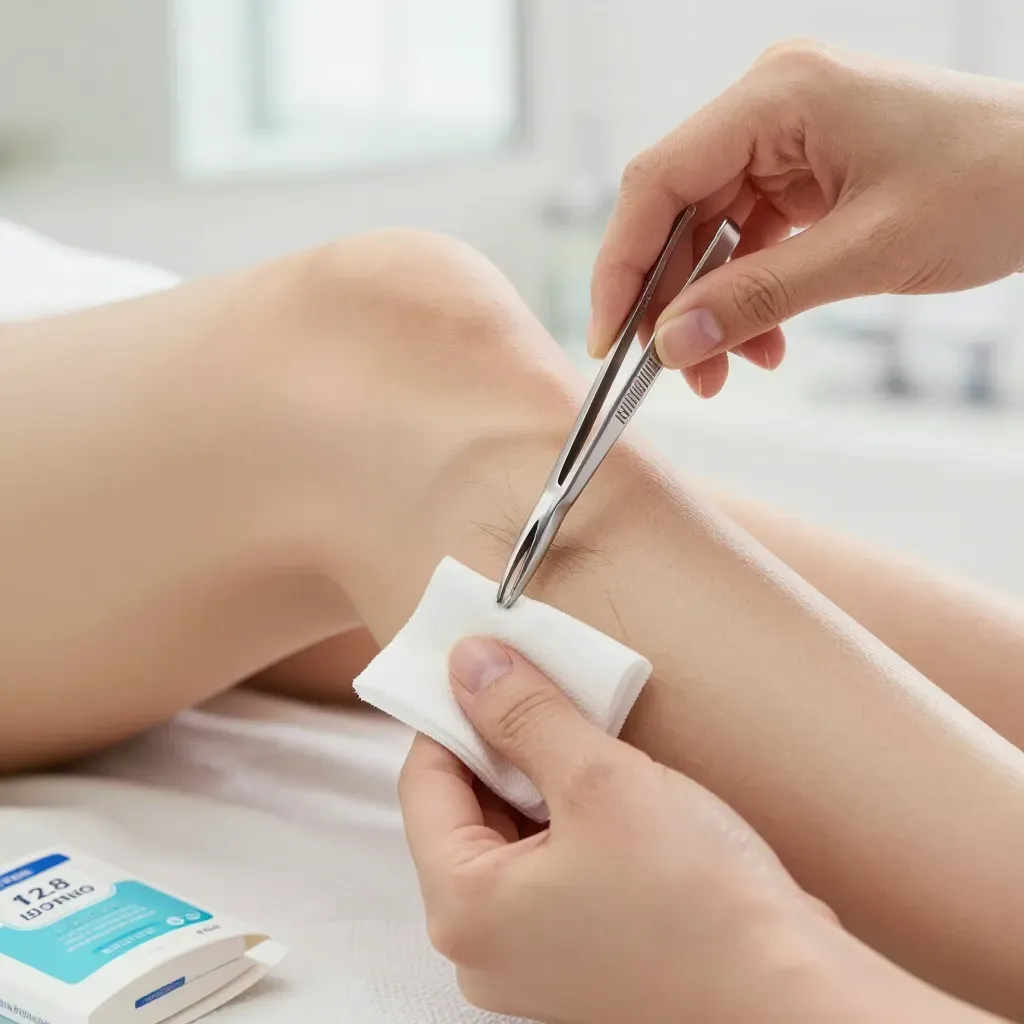
- Extract the hair with tweezers or a needle
- Soothe the area with a treatment
The best ingrown hair removal videos show sterile technique. Bad ones skip prep and aftercare entirely.
Common problem areas shown
Area | Why it shows up | Difficulty |
|---|---|---|
Beard and neck | Tight curly hair curls back into skin | High |
Bikini line | Friction from clothing and shaving | Medium |
Lower legs | Dead skin buildup blocks hair exit | Low |
Underarms | Shaving direction and sweat irritation | Medium |
Most videos feature two types of ingrowns. Surface ingrowns sit just below a thin skin layer. Deep ingrowns form painful raised bumps with no visible hair.
Surface extractions look quick and satisfying. Deep ones require more patience and carry higher infection risk.
Urban-style removal videos often highlight natural skin tones and textures underrepresented in mainstream skincare content. Creators typically use simple tools like pointed tweezers, sterile needles, and warm compresses.
Some videos demonstrate how to tell the difference between an ingrown hair and a cyst or infected bump. This matters because squeezing an infected ingrown can spread bacteria and worsen the problem.
For recurring ingrown hairs that keep coming back despite proper technique, many viewers turn to professional ingrown hair removal or consider switching their hair removal method entirely. Shaving and tweezing cause most ingrowns so swapping to laser or IPL can eliminate the root cause.
Safe extraction techniques demonstrated in removal videos
Safe extraction begins before the first touch. Creators who prioritize safety always show thorough preparation. This means washing hands with soap and water. It means sterilizing all tools—tweezers and needles—with rubbing alcohol or by passing them through a flame. The skin gets cleaned with an antiseptic like witch hazel or alcohol. This step kills surface bacteria and reduces infection risk.
The correct extraction method
The core technique is gentle and precise. The creator identifies the hair's entry point. They use a sterile needle or lancet to gently lift the skin flap covering the hair. Never dig or stab downward. The goal is to expose the hair loop or tip.
- Use fine-pointed, slanted tweezers for grip.
- Grab the hair as close to the root as possible.
- Pull in the direction of hair growth with steady, even pressure.
- Stop if resistance is high. Forcing it breaks the hair and worsens the problem.
After removal, immediate aftercare is non-negotiable. The area is pressed with a warm compress to soothe inflammation. Then an antiseptic is reapplied. Finally, a non-comedogenic moisturizer or a targeted treatment like salicylic acid or tea tree oil is applied to prevent new ingrowns and calm the skin.
What safe videos avoid
Unsafe Practice | Why It's Dangerous |
|---|---|
Using dirty or unsterilized tools | Introduces bacteria causing infection or abscess |
Squeezing or pinching the bump hard | Pushes bacteria deeper, causes scarring |
Pulling against hair growth direction | Breaks hair under skin, guarantees recurrence |
Skipping antiseptic before and after | Leaves skin vulnerable to infection |
Extracting hairs with no visible opening | Creates a new wound, increases trauma |
Safe creators also warn viewers about signs of infection. Redness spreading from the site, increasing pain, pus, or fever mean stop and see a doctor. They emphasize that some ingrowns, especially deep or recurrent ones, need professional ingrown hair removal to avoid permanent scarring or discoloration.
For those tired of constant ingrowns, the ultimate safe technique may be prevention. Videos that conclude by suggesting a switch to laser hair removal devices or proper shaving methods address the root cause. Removing the hair follicle entirely is safer than repeated extractions.
Tools professionals use in ingrown hair removal
Professionals use specialized tools that are sharper, more precise, and fully sterilizable. These tools minimize trauma and infection risk compared to standard home versions.
Extraction instruments
Tool | Professional Use | Home Alternative |
|---|---|---|
Sterile #11 blade or lancet | Covers hair loop with minimal skin puncture | Dull or non-sterile sewing needle |
Fine-point, slanted titanium tweezers | Grips hair securely without slipping | Basic slanted or pointed tweezers |
Skin hook or curette | Lifts embedded hair without squeezing | Fingernails or comedone extractor |
The professional’s #11 blade creates a tiny, precise opening. This is cleaner than digging with a needle. Their tweezers have a finer tip and stronger grip. A skin hook gently elevates the skin to access deep ingrowns without crushing the follicle.
Sterilization equipment
Clinics use autoclaves or medical-grade UV sanitizers. This kills all bacteria and viruses. Tools are sterilized between every client. At home, people often wipe tweezers with alcohol, which misses pathogens in hinges and grooves.
- Autoclave: uses high-pressure steam for complete sterilization
- UV sanitizer cabinet: kills microorganisms with ultraviolet light
- Single-use sterile probes and blades: discarded after one client
Magnification and lighting
Estheticians use 3x to 5x magnification lamps. This reveals the hair’s exact path. They spot tiny hair loops and avoid nearby blood vessels. Home users rely on the naked eye, increasing missed hair and accidental pokes.
Aftercare application tools
After extraction, pros apply treatments with sterile cotton swabs or pads. They use concentrated, pharmaceutical-grade antiseptics and anti-inflammatories. Home users often touch treatment bottles with dirty fingers, re-contaminating the product.
For recurring severe ingrowns, some clinics use professional ingrown hair removal methods like laser or electrolysis. These destroy the follicle permanently. For others, switching to laser hair removal devices at home prevents future ingrowns by reducing hair density and curliness.
How to prevent ingrown hairs after watching removal videos
Watching extractions treats the symptom. Prevention stops them from forming. A solid routine targets the three main causes: dead skin buildup, improper hair removal, and lack of moisture.
Exfoliation routine
Remove dead skin cells before they trap new hair growth. Use chemical exfoliants over harsh physical scrubs. Scrubs can irritate and inflame existing bumps.
- Salicylic acid (BHA): Penetrates pores, clears oil and dead skin cells.
- Glycolic acid (AHA): Dissolves the top layer of dead skin for a smoother surface.
- Exfoliating cloths: Use gentle pressure 2-3 times a week in the shower.
Shaving adjustments
Shaving is a primary culprit for ingrowns. Change your technique to stop hairs from curling back into the skin.
Bad Habit | Prevention Fix |
|---|---|
Using multi-blade razors | Use a single-blade safety razor. Multi-blades cut hair below the skin line. |
Shaving dry or with soap | Shave after a warm shower. Use a moisturizing shaving cream or gel. |
Shaving against the grain | Shave with the grain. It leaves hair slightly longer but prevents inward curling. |
Stretching skin too tight | Let skin rest naturally. Stretching causes hairs to retract below the surface. |
Long-term hair removal options
The only way to stop ingrown hairs permanently is to remove the hair follicle entirely. Shaving, waxing, and tweezing guarantee future ingrowns for coarse or curly hair types. Switching to the best hair removal method to prevent ingrown hairs saves time and prevents scarring.
Laser and IPL destroy the follicle root. Once the hair stops growing, it cannot become ingrown. Many users see permanent results with at-home laser hair removal. It targets dark pigment to stop the hair cycle. For severe or deep ingrowns, professional laser treatments offer a definitive solution.
When to skip DIY and see a professional
Not every ingrown hair belongs in your hands. Some require medical intervention to prevent permanent skin damage or systemic infection.
Warning signs of infection
Stop all DIY extraction attempts if you notice any of these symptoms.
Symptom | What It Means |
|---|---|
Redness spreading outward from bump | Cellulitis or bacterial infection spreading |
Pus or yellow/green discharge | Staph or other bacterial infection present |
Warm or hot skin around area | Active inflammation and immune response |
Fever or chills | Infection entering bloodstream |
Severe pain or throbbing | Abscess forming deep under skin |
These symptoms require a doctor or dermatologist immediately. Squeezing an infected ingrown hair spreads bacteria deeper into tissue. This causes abscesses, scarring, and potentially dangerous systemic infections.
High-risk areas to avoid extracting at home
- Genitals and labia: High bacteria concentration and delicate skin
- Testicle sack: Thin skin prone to tearing and severe infection
- Face and neck: Risk of scarring and visible hyperpigmentation
- Deep cystic ingrowns: No visible hair loop to grab safely
What professionals offer that home extraction cannot
Dermatologists and trained estheticians diagnose the difference between ingrown hairs, cysts, and folliculitis. Each condition needs different treatment. They use sterile surgical instruments, local anesthesia for painful extractions, and prescription antibiotics or cortisone shots for severe inflammation.
They also provide permanent ingrown hair removal options. Laser hair removal destroys the follicle entirely. This stops hair from growing back and becoming ingrown again. For chronic sufferers, this is the only real cure.
Spend money on one professional visit instead of buying extraction tools, creams, and bandages repeatedly. A dermatologist fixes the problem in one session. DIY attempts often worsen it over months.