
Table of Contents
Vaginal ingrown hair removal focuses on safe at-home care like warm compresses and gentle exfoliation, but medical attention is needed for infection signs. Prevention requires proper hair removal techniques, and laser hair removal provides the most effective permanent solution by destroying hair follicles.
Question | Answer |
|---|---|
How can I safely treat a vaginal ingrown hair at home? | Apply warm compresses, gently exfoliate, and only extract visible hairs with sterilized tools. |
When should I see a doctor for an ingrown hair? | Seek medical help if you have spreading redness, pus, fever, or severe pain. |
What prevents ingrown hairs after hair removal? | Exfoliate before, shave in hair growth direction, and apply fragrance-free moisturizer after. |
Is laser hair removal a permanent fix for ingrown hairs? | Yes, laser hair removal eliminates hair follicles, significantly reducing ingrown hairs long-term. |
Why should I avoid squeezing an infected ingrown hair? | Squeezing can push bacteria deeper, risking serious infection like sepsis. |
Safe vaginal ingrown hair removal techniques you can do at home
Most vaginal ingrown hairs heal on their own within a few days. Treatment focuses on reducing inflammation and allowing the hair to grow out naturally.
Warm Compress Method
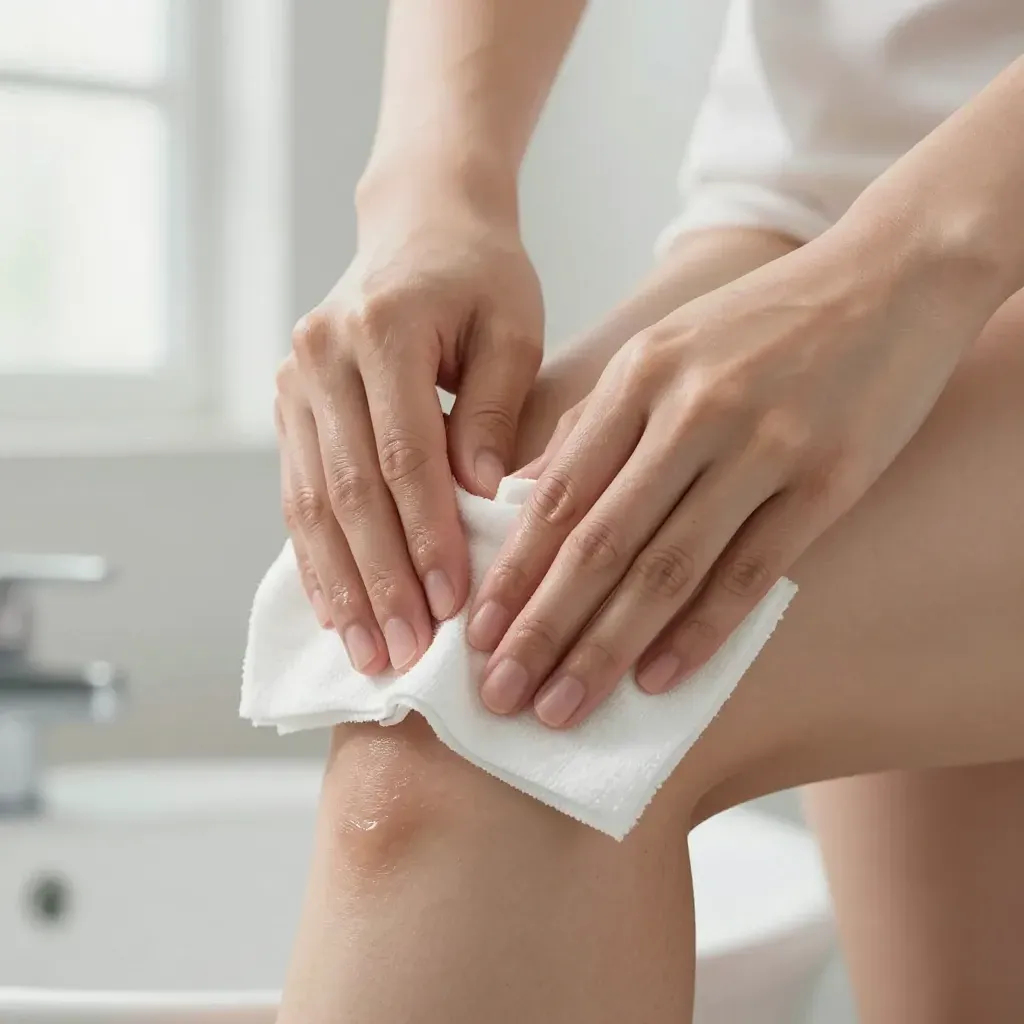
Apply a warm, damp washcloth to the affected area for 10-15 minutes, 3-4 times daily. This softens skin and opens pores, helping the trapped hair emerge naturally.
- Use clean water, not hot
- Gently press, do not rub
- Pat dry with a clean towel
Gentle Exfoliation
After warming, use a soft washcloth with mild soap to gently massage the area in circular motions. This removes dead skin cells blocking the hair follicle.
When to Extract Manually
Only attempt extraction if the hair is visible above the skin surface. Sterilize a needle or tweezers with rubbing alcohol. Gently lift the hair tip without digging into skin.
Safe | Avoid |
|---|---|
Warm compress | Deep cutting |
Gentle exfoliation | Forceful squeezing |
Clean tweezers | Dirty tools |
Patience | Rushing |
Aftercare
- Apply a gentle, fragrance-free moisturizer
- Wear loose cotton underwear
- Avoid hair removal in that area for 2-3 weeks
- Apply antibiotic ointment if the area appears irritated
When to see a doctor for infected ingrown hairs in the bikini area
An infected ingrown hair requires medical treatment. Home care fails when bacteria invade the inflamed follicle.
Signs of Infection
See a doctor if you notice these symptoms.
- Increasing pain, throbbing or severe tenderness
- Redness spreading beyond the immediate area
- Pus or yellow-white discharge
- Warmth or swelling in the surrounding skin
- Fever or chills
When to Seek Emergency Care
Go to an urgent care clinic or emergency room immediately for these signs.
Symptom | Why It's Serious |
|---|---|
Fever over 100.4°F (38°C) | Infection spreading to bloodstream |
Swollen lymph nodes in groin | Body fighting a serious infection |
Red streaks radiating from site | Possible cellulitis, a deep skin infection |
Rapidly growing, painful lump | Likely an abscess needing drainage |
Medical Treatments
A healthcare provider will perform one or more of these procedures.
- Incision and drainage of an abscess
- Prescription oral or topical antibiotics
- Sterile removal of the embedded hair
- Culturing the pus to identify the bacteria
How to prevent ingrown hairs after hair removal
Prevention starts before you remove any hair and continues through the days after.
Before Hair Removal
- Trim long hair first to avoid tugging
- Exfoliate the bikini area 24 hours before
- Take a warm shower to soften hair follicles
- Clean the area with mild antibacterial soap
During Hair Removal
Technique matters more than the tool you choose.
Method | Prevention Tip |
|---|---|
Shaving | Use a single-blade razor, shave in hair growth direction |
Waxing | Apply wax in direction of growth, pull opposite |
Depilatory cream | Do not leave on longer than recommended |
Trimming | Use guards to avoid cutting too close to skin |
After Hair Removal
- Rinse with cool water to close pores
- Pat dry, never rub
- Apply fragrance-free moisturizer or aloe vera gel
- Wear loose cotton underwear for 24-48 hours
- Avoid tight clothing, sweating, and swimming for 24 hours
Ongoing Maintenance
Exfoliate 2-3 times per week between hair removal sessions. Use a gentle scrub or chemical exfoliant containing salicylic acid or lactic acid. These ingredients dissolve dead skin cells that trap hairs.
Learn how laser hair removal stops ingrown hairs
Laser hair removal as a permanent solution for vaginal ingrown hairs
Laser hair removal destroys hair follicles at the root. No follicle means no hair can curl back under skin. That makes it the most effective ingrown hair treatment for the vaginal area long term.
Shaving and waxing cause most vaginal ingrown hairs. Hair breaks or gets trapped beneath the surface. Laser eliminates the need for both. After 6-8 sessions most people see 70-90% permanent hair reduction. Fewer hairs equals fewer ingrowns.
Why laser beats other methods
- Targets the root not the surface
- No cutting or pulling of skin
- Reduces dark spots from repeated ingrowns
- Works on coarse pubic hair that commonly curls back
- Results last years compared to days with shaving
Session breakdown
Sessions needed | 6-8 for vaginal area |
|---|---|
Time per session | 15-30 min |
Spacing | 4-6 weeks apart |
Pain level | Mild rubber band snap |
Downtime | Redness 1-2 hrs |
What to expect
The bikini and vaginal area require a Brazilian laser treatment for full coverage. A technician trims the hair first. Then applies the laser pulse to each section. You wear protective eyewear throughout.
After session one you still shed hair for 2-3 weeks. That is normal. Real reduction shows by session 3. By session 6 ingrown hairs drop significantly because fewer follicles remain active.
Dark skin tones need a specific laser type. Nd:YAG or diode lasers work safely on darker skin in the vaginal area. Avoid IPL devices which burn melanin-rich skin.
Cost ranges from $150-400 per session depending on your location and provider. Package deals cut the total price. Compare that to years of razors ingrown creams and doctor visits for infected hairs.
For stubborn pubic ingrown hair removal that keeps coming back laser is the only option that stops the cycle at the source.