
Table of Contents
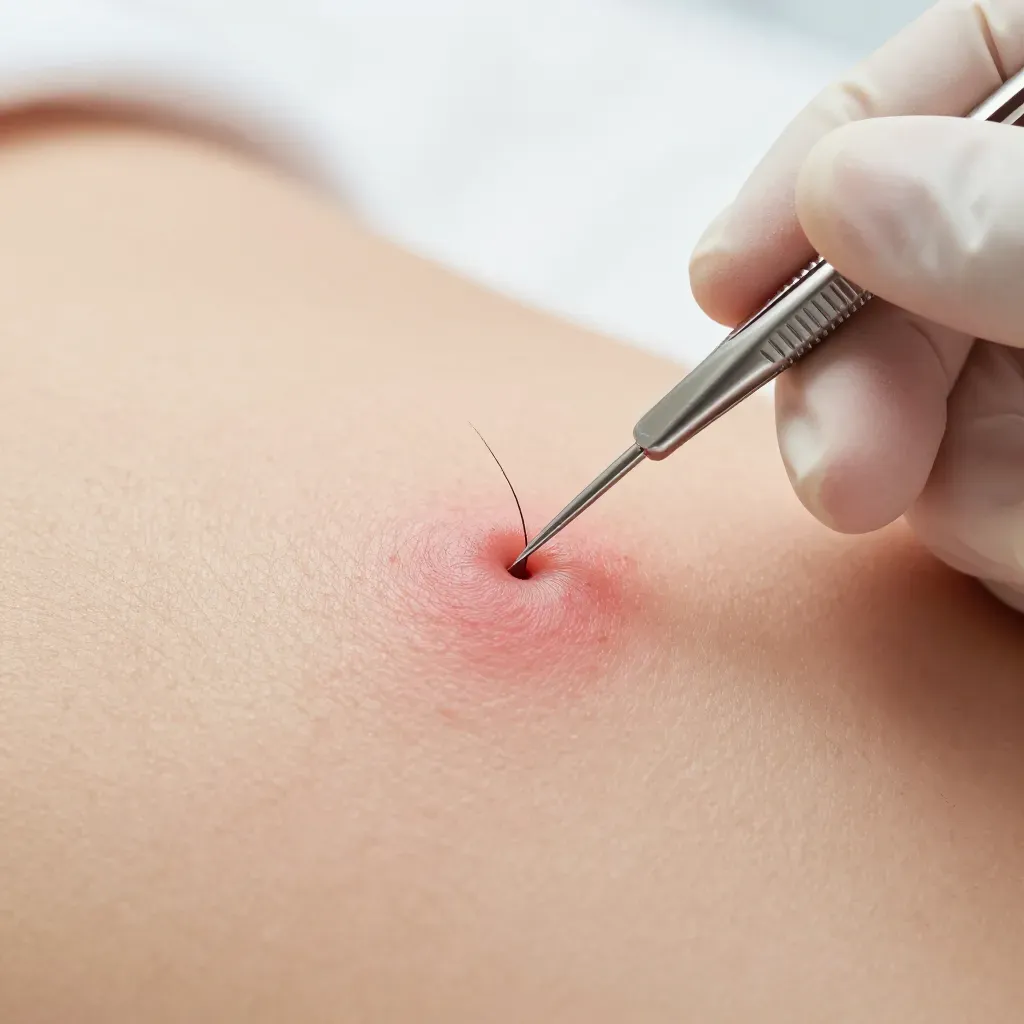
Ingrown hairs occur when hair curls back into the skin causing raised red bumps. They are primarily caused by shaving, waxing, tight clothing, dead skin buildup, or genetics. Common high-risk areas include the face, underarms, bikini line, legs, and chest or back. Symptoms involve itching, burning, and visible trapped hairs. Potential complications are folliculitis, hyperpigmentation, scarring, and abscesses, with up to 30% of regular shavers affected.
Question | Answer |
|---|---|
What causes ingrown hairs? | Ingrown hairs are caused by hair curling back into the skin due to shaving, waxing, tight clothing, dead skin buildup, or genetics. |
What are common symptoms? | Symptoms include small red or pink bumps, itching, burning, tenderness, and pustules if infected. |
Which body areas are most prone? | High-risk areas are the face, neck, underarms, bikini line, legs, and chest or back due to shaving, friction, and moisture. |
What complications can arise? | Complications may include folliculitis, hyperpigmentation, scarring, and abscesses from bacterial infections. |
How common are ingrown hairs? | Up to 30% of people who shave regularly develop ingrown hairs. |
Ingrown hairs occur when hair curls back into the skin causing raised red bumps.
How Hair Becomes Ingrown
Hair grows from a follicle under the skin. It exits through a small opening. Shaving cuts hair at a sharp angle. The new tip is jagged. It can easily pierce the skin sideways. Curly hair naturally grows in curves. It may bend back into the skin without shaving. Dead skin cells can cover the follicle opening. This traps the growing hair underneath.
Primary Causes
- Shaving: Close shaves create sharp hair tips that re-enter skin.
- Waxing or plucking: Removes hair but can damage follicles causing irregular regrowth.
- Tight clothing: Friction pushes hair back into the skin.
- Dead skin buildup: Blocks follicle openings.
- Genetics: Curly or coarse hair increases risk.
Common Symptoms
Look for these signs:
- Small red or pink bumps.
- Bumps may contain a visible trapped hair.
- Itching, burning, or tenderness.
- Pustules if bacteria infect the area.
High-Risk Body Areas
Area | Primary Reason |
|---|---|
Face/neck | Daily shaving, coarse beard hair |
Underarms | Moisture, friction, frequent shaving |
Bikini line | Shaving, tight underwear, moisture |
Legs | Shaving, dry skin, tight pants |
Chest/back | Coarse hair, shaving or waxing |
Potential Complications
Most ingrown hairs resolve alone. Some cause:
- Folliculitis: inflamed hair follicles.
- Hyperpigmentation: dark spots after healing.
- Scarring: from persistent inflammation or picking.
- Abscesses: pus-filled infections needing drainage.