
Table of Contents
Dermatologists specialize in ingrown hair removal through professional extraction, prescription medications, and laser treatments. They handle persistent, painful, infected, or scarring cases. Primary care doctors treat mild ingrown hairs. Urgent care addresses infections after hours. Laser hair removal permanently destroys follicles and prevents recurrence. Prescription creams and proper shaving techniques prevent future ingrown hairs.
Question | Answer |
|---|---|
Who should I see for ingrown hair removal? | A dermatologist specializes in ingrown hair removal and treatment. |
When should I see a dermatologist for ingrown hairs? | See a dermatologist if ingrown hairs persist, become painful, show infection signs, or cause scarring. |
What treatments do dermatologists offer? | Dermatologists perform sterile extractions, prescribe retinoids, antibiotics, and steroids, and provide laser hair removal. |
Can laser hair removal prevent ingrown hairs permanently? | Yes, laser hair removal permanently destroys follicles and prevents ingrown hair recurrence. |
What other doctors can treat ingrown hairs? | Primary care physicians treat mild cases while urgent care doctors handle infections. |
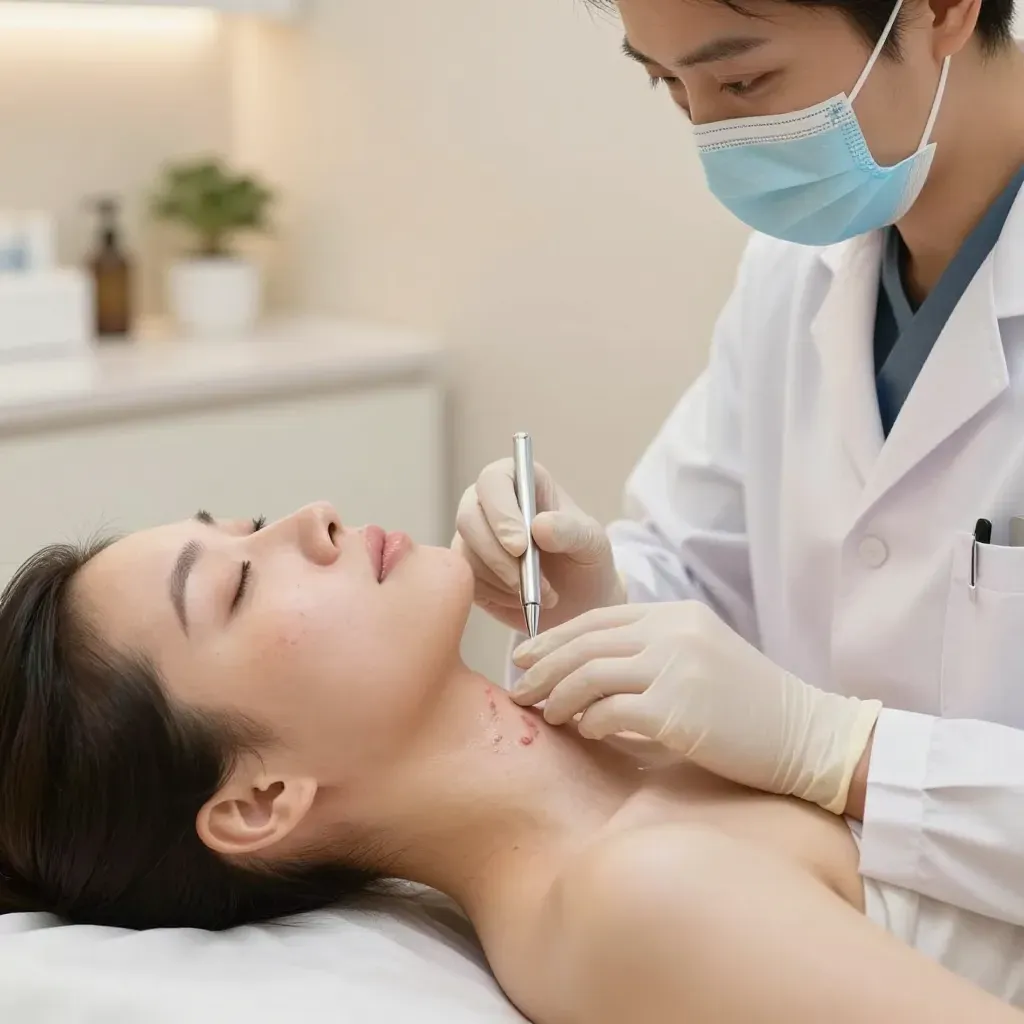
Dermatologists are the primary specialists for ingrown hair removal and treatment.
Dermatologists specialize in skin, hair, and nail conditions. They diagnose ingrown hairs through physical exam and medical history.
What Dermatologists Do for Ingrown Hairs
Dermatologists provide comprehensive treatment options:
- Professional Extraction: Makes small cuts with sterile needles or scalpels to release trapped hairs safely. This prevents infection and scarring.
- Prescription Medications:
- Retinoid creams exfoliate dead skin cells and treat darkened, thickened skin
- Oral or topical antibiotics combat bacterial infections
- Steroid medications reduce swelling and irritation
- Professional Treatments for Persistent Cases:
- Laser hair removal permanently reduces hair growth
- Chemical peels remove dead skin layers that trap hairs
- Cortisone shots reduce painful inflammation quickly
- Electrolysis offers permanent hair removal for small areas
When to See a Dermatologist
Schedule an appointment if you experience:
- Persistent or severe ingrown hairs that don't improve with home care
- Signs of infection including pus, discoloration, or increasing pain
- Chronic ingrown hairs that recur frequently
- Painful ingrown hairs that interfere with daily activities
- Dark spots or scarring from previous ingrown hairs
Other Healthcare Providers Who Can Help
While dermatologists are experts, other doctors provide basic care:
- Primary care physicians perform simple extractions and prescribe topical treatments
- Urgent care doctors handle infected ingrown hairs requiring immediate attention
Dermatologists recommend long-term prevention strategies. Laser hair removal eliminates hair follicles entirely. Prescription creams slow hair growth. Avoid close shaving and use clippers instead of razors. For home care guidance, see how to remove ingrown hair on legs.
They provide professional extraction, prescription medications, and laser treatments.
Professional Extraction
Dermatologists perform sterile extraction in minutes. They clean the area, make a small incision with sterile needles or scalpels, and release the trapped hair. This prevents infection and scarring. The painless procedure works best for deep, painful ingrown hairs that resist home treatment. Patients see immediate relief.
Prescription Medications
Dermatologists prescribe targeted medications based on severity and symptoms:
- Retinoid creams: Exfoliate dead skin cells, prevent follicle clogging, and treat post-inflammatory hyperpigmentation
- Antibiotics: Oral or topical formulations combat bacterial infections and reduce inflammation
- Steroids: Topical creams or cortisone shots quickly reduce swelling and irritation
Medication Type | Primary Purpose | Application Method |
|---|---|---|
Retinoids | Exfoliate skin, prevent clogging | Daily topical cream |
Antibiotics | Treat bacterial infection | Oral pills or topical ointment |
Steroids | Reduce inflammation | Topical cream or injection |
Laser Treatments
Laser hair removal destroys hair follicles permanently, eliminating the root cause of ingrown hairs. Most patients see significant reduction after one session. Laser hair removal works best for people with high contrast between hair and skin tones. Dermatologists may combine this with chemical peels to remove dead skin layers that trap hairs. For facial ingrown hairs, see best laser hair removal at home for face.
For at-home devices, explore laser at home hair removal options. Combined professional treatments provide the best long-term results for chronic sufferers who experience frequent recurrences.
See a doctor if ingrown hairs are persistent, painful, or show signs of infection.
Medical intervention becomes necessary when ingrown hairs fail to improve after one to two weeks of home care. Professional treatment prevents complications like scarring, hyperpigmentation, and spreading infection.
Signs of Infection
Infected ingrown hairs require immediate medical attention. Watch for these warning signs:
- Pus or cloudy discharge forming around the bump
- Increasing redness, warmth, or discoloration of surrounding skin
- Escalating pain or tenderness that worsens over time
- Fever or general feeling of illness
Chronic or Recurrent Cases
Schedule a dermatologist appointment if you experience frequent ingrown hairs in the same area. Chronic cases often indicate underlying issues like improper hair removal techniques or skin conditions. Laser hair removal offers permanent prevention by destroying follicles. Dermatologists can prescribe creams that slow hair growth and prevent future occurrences.
Severe Symptoms Requiring Urgent Care
Symptom | Medical Action Needed |
|---|---|
Ingrown hair larger than 1 cm | Professional extraction to prevent abscess |
Multiple painful bumps | Prescription medication for folliculitis |
Dark spots or scarring | Retinoid treatment to improve skin texture |
Ingrown hair on face/genitals | Specialized care to avoid complications |
When Home Removal Fails
Stop attempting home extraction if you cannot easily access the hair or if attempts cause bleeding. Dermatologists perform sterile, painless extraction using proper tools. They can also treat deep ingrown hairs on legs and other hard-to-reach areas safely. For facial ingrown hairs, see best laser hair removal at home for face options after professional consultation.
Primary care physicians and urgent care doctors can also address ingrown hairs.
Primary Care Physicians
Your primary care doctor treats mild ingrown hairs during routine visits. They perform basic extractions using sterile tools and prescribe topical antibiotics or steroid creams for inflammation. They assess your hair removal habits and provide initial prevention advice. If you experience recurrent ingrown hairs, they refer you to a dermatologist for specialized care. Primary care physicians manage first-time occurrences and uncomplicated cases but lack specialized equipment for deep or chronic ingrown hairs.
Urgent Care Doctors
Visit urgent care for infected ingrown hairs after hours or when your primary doctor is unavailable. They treat acute infections with oral antibiotics, drain painful abscesses, and provide immediate pain relief. Urgent care doctors handle emergencies like rapidly spreading redness, fever, or severe swelling. They don't offer long-term prevention plans or permanent solutions. Their focus is immediate symptom relief and preventing complications.
Services by Provider Type
Service | Primary Care | Urgent Care | Dermatologist |
|---|---|---|---|
Basic extraction | Yes | Yes | Yes |
Prescribe antibiotics | Yes | Yes | Yes |
Laser hair removal | No | No | Yes |
Chemical peels | No | No | Yes |
After-hours care | No | Yes | No |
Both primary care and urgent care doctors provide accessible treatment but dermatologists offer permanent solutions. For chronic ingrown hairs on legs, see how to remove ingrown hair on legs. For facial concerns, explore best laser hair removal at home for face after professional consultation. Consider laser at home hair removal devices for maintenance between dermatologist visits.
Dermatologists recommend laser hair removal and prescription creams for prevention.
Laser Hair Removal
Laser hair removal destroys hair follicles permanently, eliminating the root cause of ingrown hairs. Most patients see significant reduction after one session. Dermatologists recommend this for chronic sufferers who experience frequent recurrences. The treatment works best for people with high contrast between hair and skin tones. For facial concerns, see best laser hair removal at home for face options after professional consultation.
Prescription Creams
Dermatologists prescribe topical medications that slow hair growth and prevent follicle clogging. Retinoid creams exfoliate dead skin cells and treat post-inflammatory hyperpigmentation. Apply daily to areas prone to ingrown hairs. Results appear within four to six weeks of consistent use.
Prevention Method | How It Works | Duration | Best For |
|---|---|---|---|
Laser Hair Removal | Destroys follicles permanently | 6-8 sessions | Chronic cases |
Retinoid Creams | Exfoliates and prevents clogging | Daily use | Mild to moderate cases |
Hair Growth Inhibitors | Slows hair growth rate | Daily use | Maintenance |
At-home devices provide maintenance between dermatologist visits. Explore laser at home hair removal options for ongoing prevention. Combine with proper shaving techniques: use single-blade razors, shave with hair growth, avoid stretching skin. For leg-specific guidance, see how to remove ingrown hair on legs. Consistent prevention eliminates ingrown hairs permanently.