
Table of Contents
Let's be honest. The quest for smooth skin in certain areas can feel like navigating a minefield of waxing appointments, razor bumps, and ingrown hairs. It's enough to make anyone sigh and consider just living with it. But then you hear whispers about laser hair removal, specifically the "Brazilian" version, and you start wondering if there's a better way. You're likely asking yourself, precisely what is a Brazilian laser hair removal? Is it some mystical process, or just another beauty treatment promising the moon?
Understanding What is a Brazilian Laser Hair Removal
Understanding What is a Brazilian Laser Hair Removal
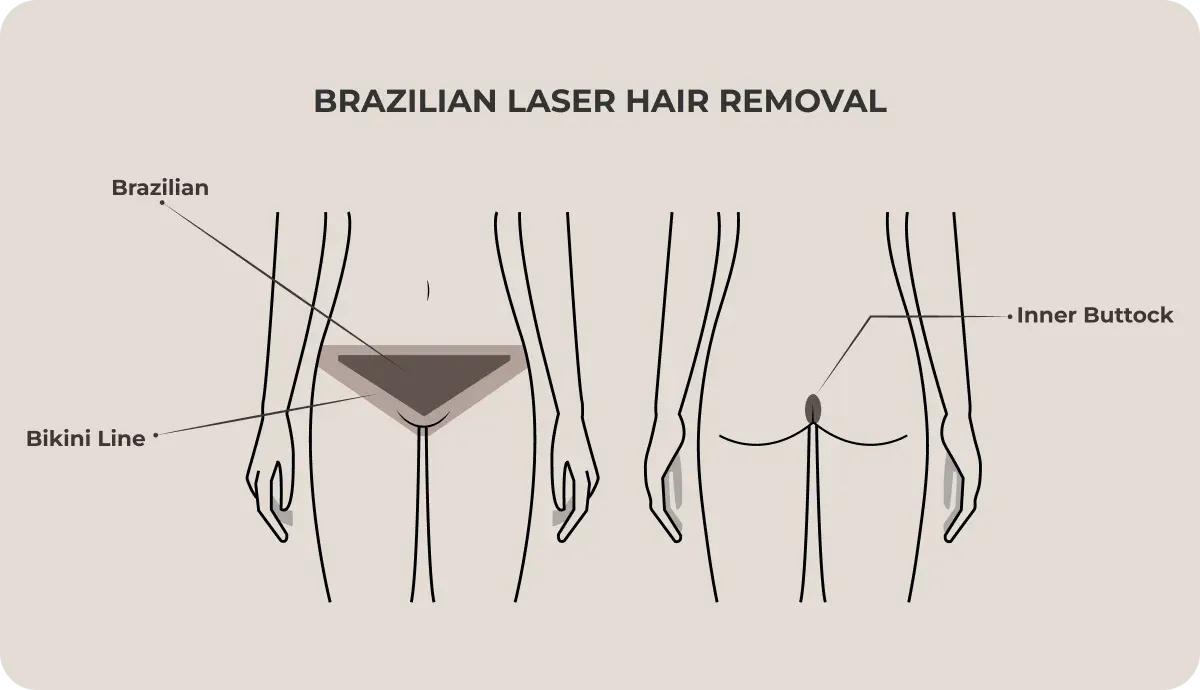
so let's break down precisely what is a Brazilian laser hair removal. Forget everything you know about the painful waxing ritual. This is different. A Brazilian laser treatment targets the hair follicles in the entire pubic region, from the front to the back. Think of it as permanent reduction for all the hair "down there." It's not just the bikini line; it's the whole shebang. People choose this for various reasons – convenience, hygiene, or just because they prefer the look and feel of smooth skin without constant maintenance. It's become a really popular option for those tired of the endless cycle of shaving or waxing.
The Science Behind Brazilian Laser Hair Removal

The Science Behind Brazilian Laser Hair Removal
How Lasers Target Hair Follicles
Alright, so how does this whole laser thing actually work its magic in a Brazilian? It's pretty clever science, honestly. The laser machine emits a concentrated beam of light. This light has a specific wavelength designed to be absorbed by the pigment, or melanin, in your hair follicle. Think of melanin as the target practice for the laser. When the laser light hits the melanin, it converts to heat. This heat then travels down the hair shaft and damages the follicle itself. It's this damage that inhibits the follicle's ability to grow hair in the future.
The key here is that the laser is attracted to the dark pigment in the hair. This is why laser hair removal is typically most effective on people with darker hair and lighter skin. The contrast allows the laser to selectively target the hair follicle without significantly affecting the surrounding skin. If there's not enough contrast, say very light hair or very dark skin, the laser might not be absorbed effectively by the hair, or it could potentially heat up the skin too much, leading to complications. It's a delicate balance, and why a consultation beforehand is super important.
Why Multiple Sessions are Necessary
You might think one zap and you're done, right? Not quite. Hair grows in cycles. There's the active growth phase (anagen), a transitional phase (catagen), and a resting phase (telogen). The laser is most effective at damaging follicles that are in the active growth phase because that's when they have the most melanin. At any given time, only a percentage of your hair follicles are in this active phase. The others are chilling out, not producing much melanin for the laser to target.
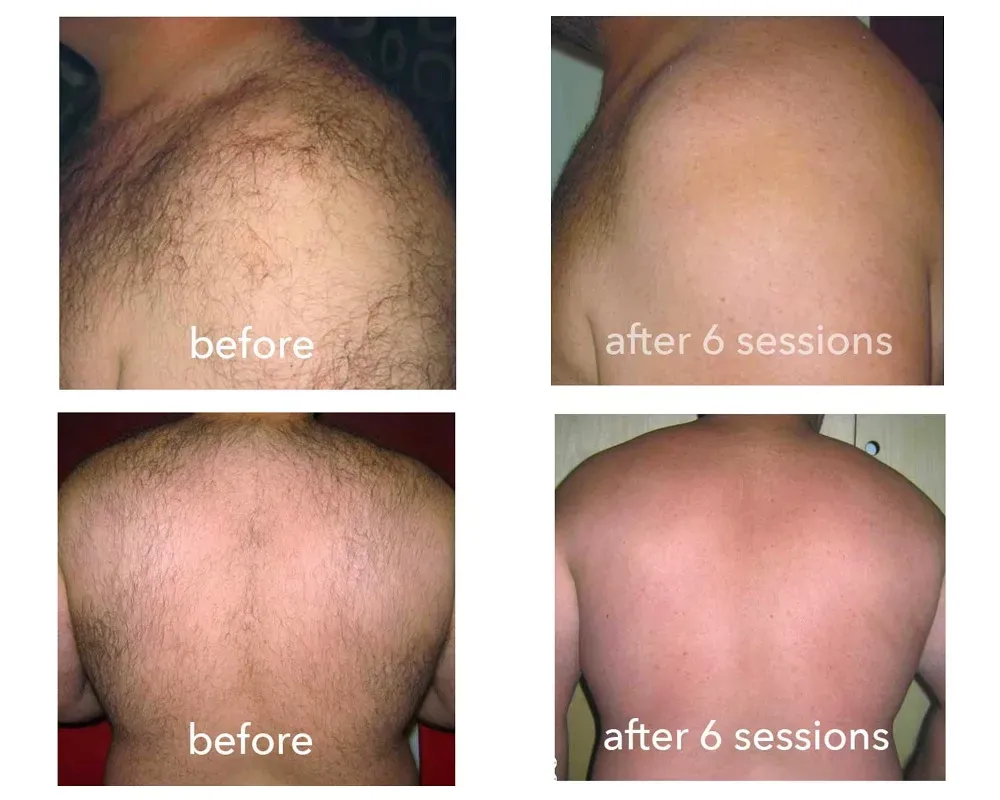
Because of these cycles, you need multiple sessions spaced several weeks apart. Each session aims to catch a new batch of hair follicles as they enter their active growth phase. Over a series of treatments, typically between 6 and 8 sessions, you gradually treat most of the follicles in the area. This is why results are progressive, not instant. You'll notice less hair growth and finer hair with each treatment. Patience is definitely a virtue when it comes to achieving those smooth results.
- Hair grows in cycles.
- Laser targets hair in the active growth phase.
- Only a percentage of hair is active at any time.
- Multiple sessions are needed to treat all follicles.
Your Brazilian Laser Hair Removal Journey: What Happens?
Your Brazilian Laser Hair Removal Journey: What Happens?
Getting Ready for Your Session
so you've decided to take the plunge and book that first appointment for your Brazilian laser hair removal journey. What happens before you even get to the treatment room? Preparation is actually pretty simple, but crucial. The most important thing is to shave the area about 12-24 hours before your appointment. Yes, shave! This might seem counterintuitive since you're trying to get rid of hair, but the laser targets the follicle, not the hair on the surface. Shaving ensures the laser energy goes directly to the root without getting absorbed by long surface hair, which can lead to burns or less effective treatment. You also need to avoid sun exposure on the area for a few weeks prior, as tanned skin can increase the risk of complications. Skip the self-tanner too. Make sure the area is clean and free of lotions, oils, or deodorant right before you go in.
Step-by-Step: The Treatment Itself
Alright, the moment of truth. You're in the treatment room. The technician will likely give you protective eyewear. They'll then apply a cooling gel to the area, which helps the laser glide and keeps your skin comfortable. Using a handheld laser device, they'll work over the entire pubic region. You'll feel a sensation with each pulse of the laser. People describe it differently – some say it feels like a rubber band snap, a quick pinch, or a warm zap. It happens fast, pulse by pulse, covering the whole area you've chosen for your Brazilian laser hair removal. The technician will adjust the laser settings based on your skin type and hair color to ensure the safest and most effective treatment. The actual lasering part usually takes anywhere from 15 to 30 minutes, depending on the size of the area and the type of machine used. It's not exactly a spa massage, but it's generally quite tolerable.
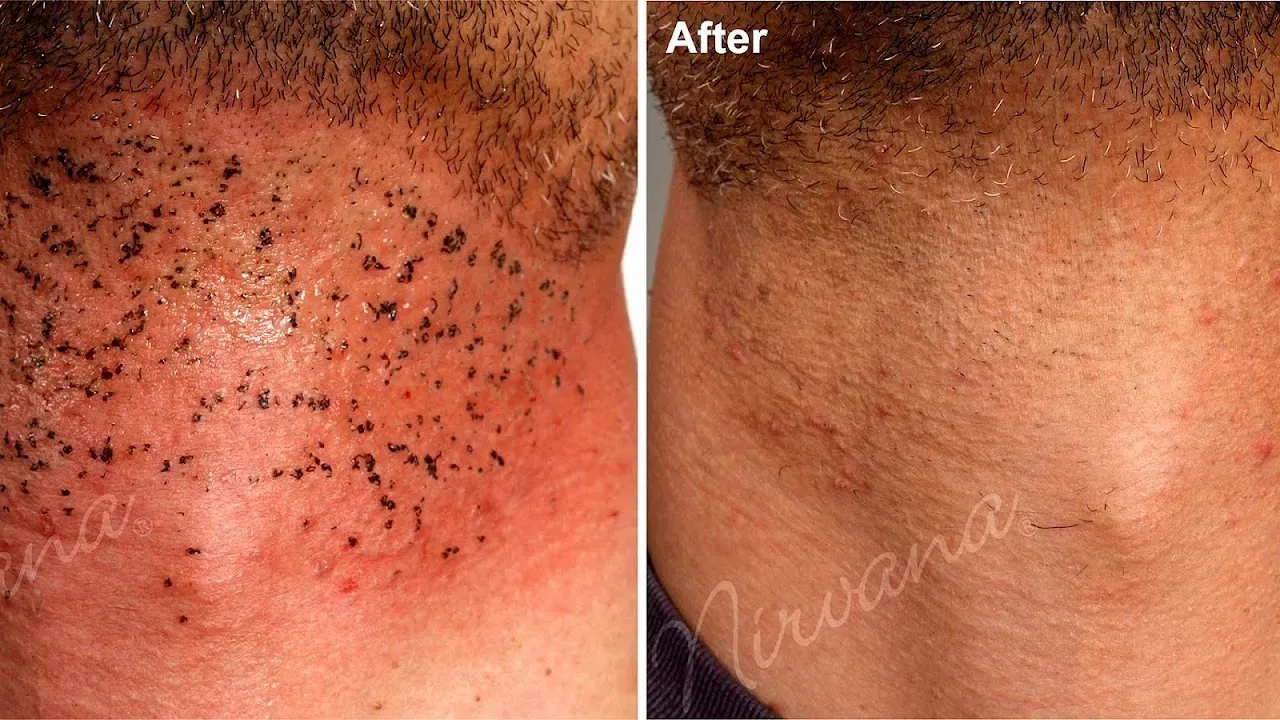
After the session, you might notice some redness or slight swelling in the treated area. It can look a bit like mild sunburn. This is totally normal and usually subsides within a few hours to a day or two. The technician might apply a soothing cream or ice pack. They'll give you specific aftercare instructions, which typically involve avoiding hot showers, saunas, strenuous exercise, and tight clothing for a day or two. You'll also need to be extra diligent about sun protection on the area between sessions. Over the next few weeks, you'll see the treated hairs start to shed. They'll simply fall out. Don't try to pull them out; let them come out on their own. It's a bit weird, but satisfying.
So, what exactly should you expect immediately after the treatment?
- Mild redness and swelling in the treated area.
- A sensation similar to sunburn that fades quickly.
- Hairs starting to shed over the next few weeks.
- Instructions to avoid heat and sun exposure.
After the Session: What to Expect and Do
Your Brazilian laser hair removal journey doesn't end when you walk out the door. The aftercare is just as important as the preparation. As mentioned, you might have some redness and tenderness. Keep the area clean and dry. Avoid harsh soaps or exfoliants for a few days. If you experience any discomfort, a cold compress can help. You might notice some prickly stubble appearing a week or two after your session; this isn't new growth, but the treated hairs pushing their way out before shedding. You can gently exfoliate to help them along, but be careful not to irritate the skin. Remember, consistency is key with laser hair removal. Sticking to your scheduled appointments is vital to catch those hair follicles in the right growth phase and get the best possible results.
Weighing the Pros and Cons of Brazilian Laser Hair Removal
Weighing the Pros and Cons of Brazilian Laser Hair Removal
so you've got the lowdown on what is a Brazilian laser hair removal and how it works. Now comes the big question: is it right for you? Like anything, there are definite upsides and potential downsides to consider. On the plus side, we're talking about significant, long-term hair reduction. Imagine not having to worry about shaving every other day or booking painful waxing appointments. That's a huge win for many people. The results are generally smooth skin, fewer ingrown hairs (a major bonus!), and the sheer convenience of being ready for swimsuit season year-round. It can genuinely boost confidence and simplify your routine.
However, it's not a magic wand, and there are things to keep in mind. First off, it's an investment. Laser hair removal costs more upfront than a single shave or wax. You also need multiple sessions, which requires commitment and planning. There's potential for discomfort during the treatment, though it's often described as less painful than waxing. Side effects can include temporary redness, swelling, or itching. Rarely, more serious issues like burns or changes in skin pigment can occur, especially if the treatment isn't performed by a qualified professional or if you haven't followed pre and post-care instructions properly. It's also not guaranteed to remove *every single hair* forever; sometimes touch-up sessions are needed down the line. It's about significant reduction, not necessarily 100% permanent removal for everyone.
Pros | Cons |
|---|---|
Significant, long-term hair reduction | Higher upfront cost |
Reduced ingrown hairs | Requires multiple sessions |
Convenience and time-saving | Potential discomfort during treatment |
Smoother skin | Risk of temporary side effects (redness, swelling) |
Potential for increased confidence | Rare risk of burns or pigment changes |
Less painful than waxing for many | Results vary; not always 100% permanent |
Wrapping Up: Is Brazilian Laser Hair Removal for You?
So, we've walked through exactly what is a Brazilian laser hair removal, peering behind the curtain at the science and the process. It's clear this isn't a magic wand for instant, universal hairlessness. It involves multiple sessions targeting hair follicles with concentrated light, requiring patience and consistency. While it offers a promising path to significant, long-term hair reduction for many, individual results vary based on hair type, skin tone, and how your body responds. Deciding if it's the right move means weighing the investment of time, money, and potential discomfort against the potential freedom from traditional hair removal methods. It's a personal choice, but understanding the facts is the first step to making it.