
Table of Contents
Tired of the endless cycle of shaving, waxing, or shelling out cash for professional treatments? You're not alone. The promise of smooth skin without the constant upkeep sounds pretty appealing, doesn't it? It's no wonder so many people are looking into at-home solutions.
Understanding How AtHome Devices Work

Understanding How AtHome Devices Work
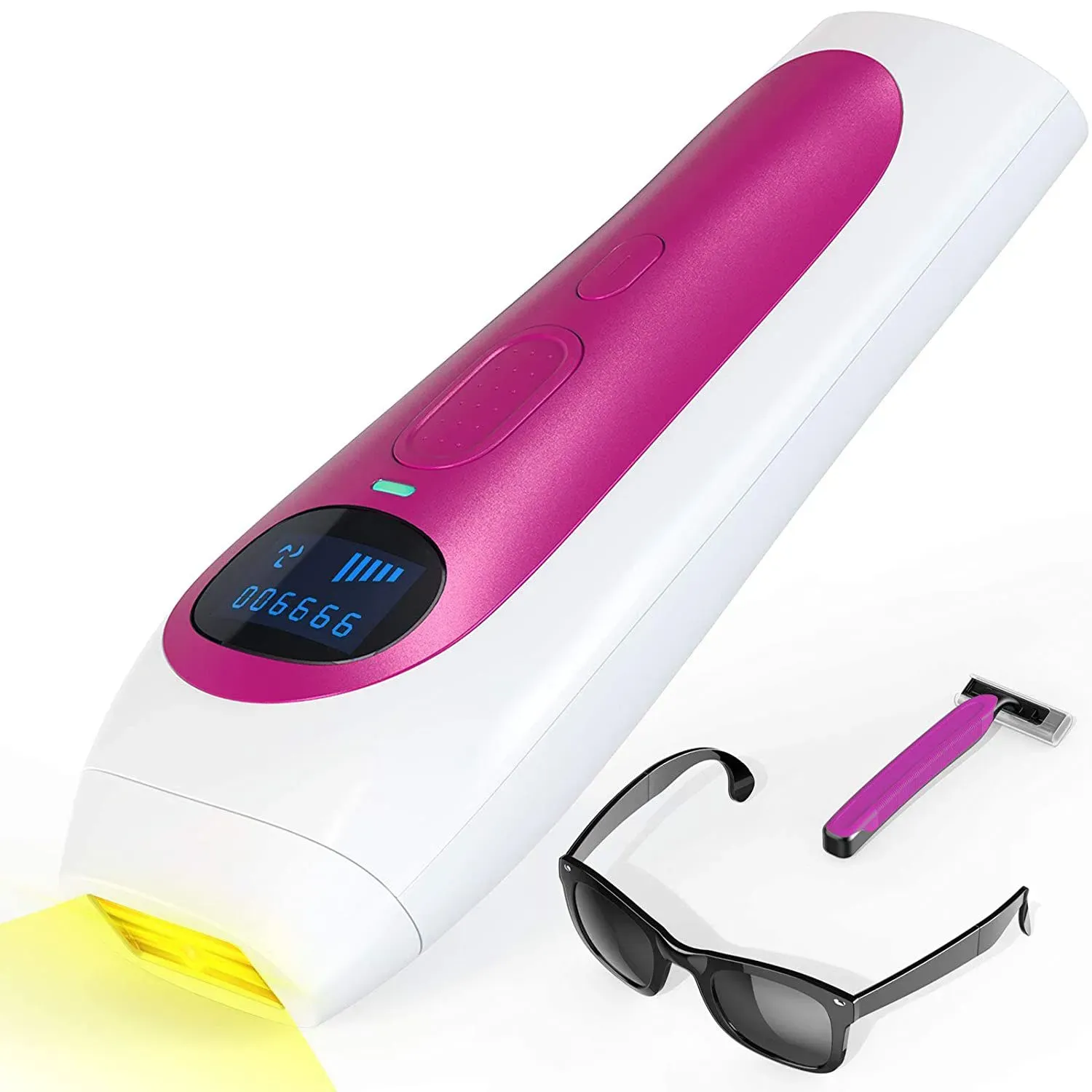
so you're curious about how these at-home hair removal gadgets actually zap away stubble. It's not magic, though sometimes it feels like it after consistent use. Most devices you'll find for home use rely on Intense Pulsed Light, or IPL. Think of IPL not as a precise laser beam, but more like a flashbulb going off. This flash emits multiple wavelengths of light. The dark pigment in your hair, called melanin, absorbs this light energy. When the melanin absorbs enough energy, it converts it to heat. That heat then damages the hair follicle, ideally putting it into a dormant state that slows or stops future hair growth. It's a targeted attack on the hair itself, not the surrounding skin, assuming you're using it correctly and on the right skin tone and hair color combination. True lasers, like those used in clinics, are more focused and use a single wavelength, which is why they can often be more effective and treat a wider range of skin tones, but they also come with higher price tags and require professional handling.
Key Factors: What Makes What is the Best Laser Hair Removal at Home?

Key Factors: What Makes What is the Best Laser Hair Removal at Home?
Matching Device to You: Not One-Size-Fits-All
So, you want to know what is the best laser hair removal at home? It's not a simple answer like "this model right here!" because what's best for your friend might not be best for you. The biggest factor, the absolute dealbreaker, is whether the device is compatible with your skin tone and hair color. Remember that melanin thing we talked about? IPL and most at-home lasers target the pigment in the hair. This means they work best on lighter skin tones with darker hair. If you have very dark skin, using these devices can be risky, potentially causing burns or pigmentation changes because your skin has a lot of melanin too. Similarly, if you have very light blonde, red, or gray hair, there isn't enough pigment for the light to target effectively, so the device won't do much.
Beyond compatibility, consider the treatment area. Are you looking to tackle large areas like legs, or smaller, trickier spots like the upper lip or bikini line? Some devices have larger treatment windows for speed, while others have smaller attachments for precision. The intensity levels matter too. More levels mean more control and the ability to gradually increase the intensity as your skin gets used to it, or to use lower settings on sensitive areas. Flash speed, or how quickly the device can emit pulses, impacts how long a treatment session takes. Nobody wants to spend an hour zapping one leg.
Here are a few things to think about when choosing:
- Skin tone and hair color compatibility (check the device's chart!)
- Treatment area and device window size
- Number of intensity levels
- Flash speed or treatment time
- Corded vs. cordless operation
- Included attachments for different areas
- Safety features, like skin tone sensors
- User reviews and brand reputation (like hairawaybylaser.com reviews, maybe?)
Don't just grab the cheapest one or the one with the most flashy ads. Do a little homework to see if it's actually a good fit for you. Ignoring compatibility is the fastest way to waste money and potentially harm your skin.
Evaluating Top Devices for What is the Best Laser Hair Removal at Home
Evaluating Top Devices for What is the Best Laser Hair Removal at Home
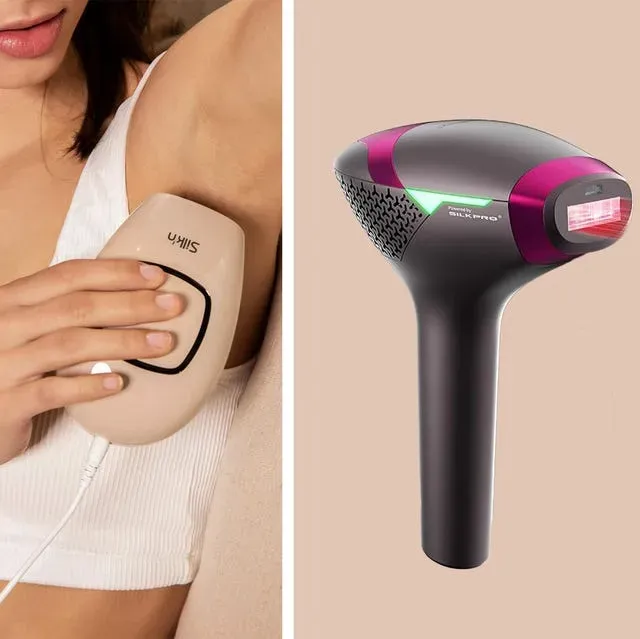
Alright, so you've got the basics down on how these things work and what features matter. Now comes the million-dollar question, right? You're probably thinking, " but seriously, what is the best laser hair removal at home that I should actually spend my money on?" And look, if I could just point to one box and say "that one!", my job would be way easier. The truth is, pinning down the single "best" device is tricky because, as we just covered, it depends so much on your individual skin tone, hair color, and what areas you want to treat. Evaluating the top contenders involves sifting through manufacturer claims, reading reviews from people who've actually used them for months, and comparing specs like flash speed, treatment levels, and safety features. It's less about finding a universally perfect device and more about finding the highest-performing option that aligns with *your* specific needs and compatibility requirements.
Using Your AtHome Device for Maximum Results
Using Your AtHome Device for Maximum Results
so you've done your homework, compared the specs, maybe even read some reviews (hopefully not just the glowing five-star ones that smell a little fishy), and you've got your device. Now the real work begins: actually using it to get the results you paid for. Simply zapping away randomly isn't the strategy here. You need consistency, patience, and a bit of method. First off, always, always shave the area right before you treat it. The device targets the pigment in the hair follicle *under* the skin, not the hair sitting on top. Shaving ensures the energy goes where it needs to go and prevents burning the surface hair (which smells awful, trust me). Follow the device's instructions religiously regarding frequency. Most recommend treatments every week or two initially, then tapering off as hair growth slows. Skipping sessions or doing them too often can mess with the process and won't necessarily speed things up, it might just irritate your skin.
Wrapping It Up: Finding Your Best Fit
So, is there one single answer to what is the best laser hair removal at home? Not really. It's less about finding a mythical perfect device and more about finding the right tool for *you*. The device that works wonders for your friend with pale skin and dark hair might do absolutely nothing for you if your skin tone or hair color is different. It comes down to understanding the tech, checking compatibility, setting realistic expectations (it's a marathon, not a sprint, and definitely not permanent magic), and committing to the process. Don't expect spa-level perfection overnight, but with the right device and consistent use, you might just find yourself spending less time battling unwanted hair.