
Table of Contents
Article covers ingrown hair treatments by severity level.
Dermatologists handle infected cases with steroid injections, antibiotics, incision drainage, and laser.
Medical spas perform safe extractions, chemical peels, and high-frequency treatments.
Laser hair removal permanently prevents ingrowns by destroying follicles.
Barbers specialize in facial and neck ingrown hair removal.
At-home treatment works only for mild visible cases using sterile tools.
Costs range $30-$75 per extraction session to $1,000-$3,000 total for laser series.
Seek professional care for spreading redness, pus, fever, recurring ingrowns, or scarring.
Question | Answer |
|---|---|
When should I see a dermatologist for ingrown hairs? | See dermatologists for painful lumps over two weeks, spreading redness, pus, fever, recurring ingrowns, or scarring. |
What permanently stops ingrown hairs? | Laser hair removal destroys follicles to permanently prevent ingrowns. |
How much does laser hair removal cost? | Laser costs $1,000-$3,000 total for permanent results. |
Can I safely remove ingrown hairs at home? | Home removal works only for mild visible cases with sterile tools. |
What are warning signs to stop home treatment? | Stop if you see spreading redness, pus, increasing pain, fever, or scarring. |
Dermatology clinics treat infected or severe ingrown hairs with medical procedures.
When to book an appointment
- Painful lumps lasting over two weeks
- Pus spreading redness warmth fever
- Same spot keeps getting ingrown hairs
- Dark scars or keloids forming scar treatment options
- Problem areas on face bikini underarms
- Large clusters of ingrown hairs
- Over-the-counter treatments failed after consistent use
- Ingrown hairs affect daily activities or cause embarrassment
Medical treatments available
Procedure | Purpose | Recovery | Cost |
|---|---|---|---|
Steroid injection | Reduces inflammation quickly | 1-2 days | $75-$150 |
Incision & drainage | Removes infected material | 3-5 days | $200-$400 |
Prescription retinoids | Prevents future ingrowth | Ongoing use | $50-$200/month |
Oral antibiotics | Treats bacterial infection | 7-10 days | $10-$50 with insurance |
Laser hair removal | Permanent reduction prevents ingrowns | Minimal downtime | $150-$500 per session |
Chemical peels | Exfoliates dead skin cells | 5-7 days peeling | $100-$300 |
What happens during your visit
Dermatologists examine skin under magnification
They release trapped hairs with sterile lancets
They culture severe infections to identify bacteria
They prescribe medication to treat active infection
They create prevention plans for your skin type
They demonstrate proper hair removal techniques
Most patients need one to three visits total
Follow-up appointments monitor healing progress
They may take photos to track improvement
Insurance coverage and costs
- Most plans cover medically necessary treatments
- Document infection with photos and notes
- Cosmetic procedures need pre-authorization
- Typical co-pays range $20-$50
- FSA and HSA funds accepted
- Payment plans available at many clinics
- Uninsured patients can inquire about cash discounts
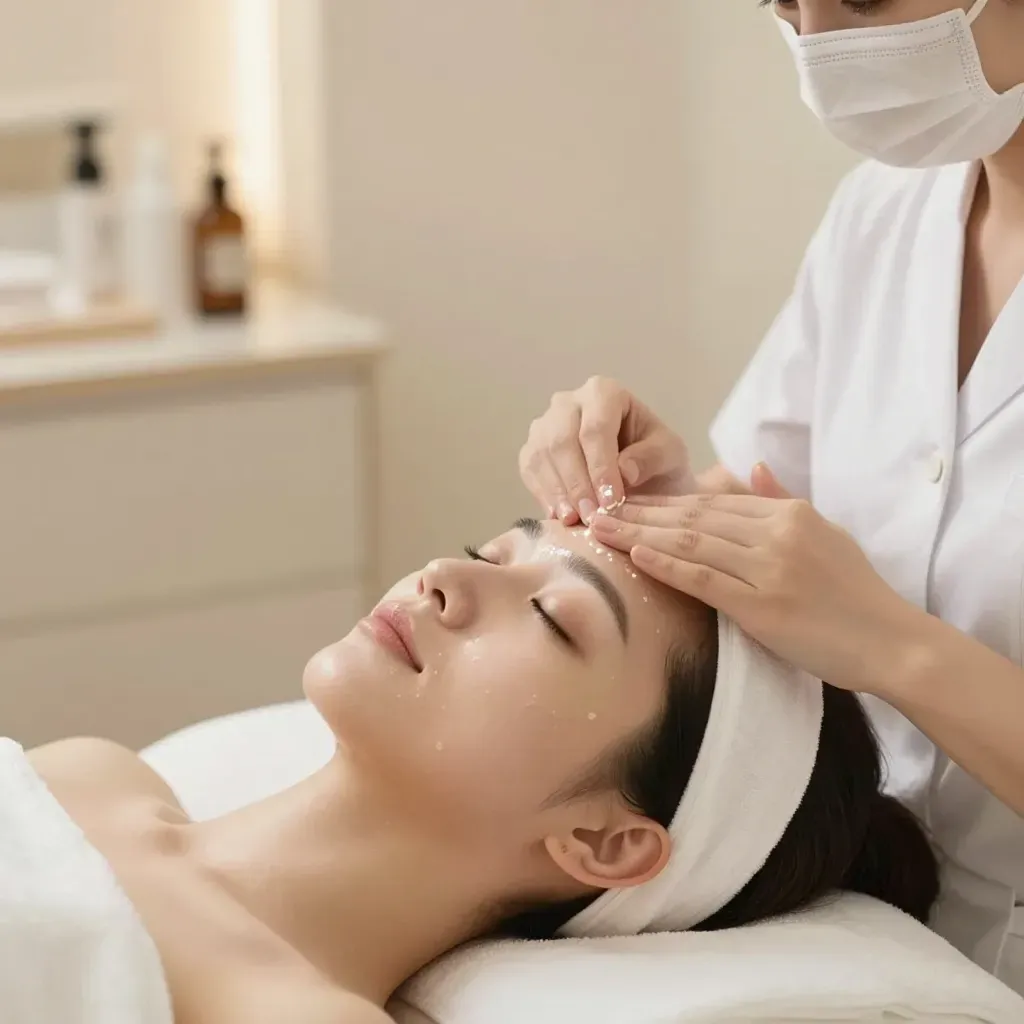
Medical spas and estheticians perform safe extractions and exfoliating treatments.
What estheticians can do
Estheticians use sterile lancets to release trapped hairs without scarring
They perform gentle extractions using magnifying lamps for precision
They apply professional-grade exfoliating acids like glycolic and salicylic
They use high-frequency devices to kill bacteria and reduce inflammation
They teach proper at-home care techniques tailored to your hair type
They recommend medical-grade products for daily maintenance
They can treat ingrown hairs on face neck bikini line and underarms
They work with all skin tones including sensitive and acne-prone skin
Popular treatments and costs
Treatment | What it does | Frequency | Price |
|---|---|---|---|
Manual extraction | Removes individual ingrown hairs with sterile tools | As needed | $30-$75 per session |
Hydradermabrasion | Cleans pores and exfoliates dead skin cells | Monthly maintenance | $100-$200 |
Salicylic acid peel | Unclogs hair follicles and prevents new ingrowns | Every 3-4 weeks | $75-$150 |
High-frequency treatment | Kills bacteria reduces inflammation speeds healing | Weekly for 4-6 sessions | $50-$100 |
Brazilian ingrown treatment | Specialized bikini area care and extractions | Every 2-4 weeks | $60-$120 |
Back and shoulder treatment | Targets large areas with multiple ingrown hairs | Monthly | $80-$150 |
How to choose a provider
- Verify state licensing credentials on official websites
- Check reviews specifically mention ingrown hair treatment success
- Ask about sterilization procedures and autoclave use
- Request before/after photos of similar cases
- Confirm they don't just squeeze ingrown hairs randomly
- Make sure they offer consultations before treatment
- Look for specialists in ethnic skin if you have darker skin
- Choose providers with medical oversight or dermatologist affiliation
- Ask about experience with your specific problem area
- Check if they offer package deals for multiple sessions
Aftercare instructions
Avoid touching treated area for 24 hours to prevent infection
Apply recommended soothing gel twice daily for three days
Skip workouts swimming and sweating for 48 hours minimum
No tight clothing on treated spots especially bikini area
Exfoliate gently with soft washcloth after 3 days
Moisturize daily with non-comedogenic lotion
Return for follow-up if redness or pain persists
Consider laser hair removal for permanent prevention of future ingrowns
Avoid shaving or waxing in treated area for one week
Use only gentle fragrance-free products on healing skin
Laser hair removal clinics permanently reduce hair to prevent future ingrown hairs.
How laser stops ingrown hairs permanently
Laser targets hair follicles with concentrated light energy
Heat destroys follicle preventing future hair growth
No hair means no ingrown hairs in treated areas
Works on face neck bikini underarms legs chest back
Most patients see 80-90% permanent reduction after full treatment series
Results last years with occasional maintenance sessions
Best laser types for ingrown hair prevention
Laser Type | Best For | Skin Tones | Effectiveness |
|---|---|---|---|
Diode | Deep coarse hairs | Light to medium | Excellent |
Alexandrite | Fine to medium hair | Light skin | Very Good |
ND:YAG | Coarse dark hair | All skin tones | Good |
IPL | Light fine hair | Light skin | Fair |
Treatment areas and requirements
Area | Sessions Needed | Interval | Price Per Session |
|---|---|---|---|
Bikini/Brazilian | 6-8 | 4-6 weeks | $150-$400 |
Underarms | 6-8 | 4-6 weeks | $75-$200 |
Face/Neck | 8-10 | 4-6 weeks | $100-$300 |
Full Back | 8-10 | 6-8 weeks | $300-$600 |
Legs | 6-8 | 6-8 weeks | $200-$500 |
What happens during treatment
Technician cleans and shaves treatment area first
They apply cooling gel or use chilled laser tip
Laser pulses feel like rubber band snaps
Session lasts 15-60 minutes depending on area size
Redness and swelling fade within 24 hours
You can resume normal activities immediately
Results visible after 2-3 sessions
Cost vs other methods
- Laser: $1,000-$3,000 total for permanent results
- Waxing: $50-$100 monthly forever
- Ingrown treatments: $30-$75 per session recurring
- Laser pays for itself in 2-3 years
- Saves time and pain long-term
- Eliminates need for shaving products
Finding qualified clinics
- Check for board-certified dermatologist oversight
- Verify laser technicians have proper certification
- Read reviews mentioning ingrown hair success
- Ask about experience with your skin tone
- Request consultation to assess your hair type
- Confirm they use medical-grade equipment
- Look for clinics offering package deals
- Ask about which laser they recommend for your situation
At-home treatments using sterile tools work for mild ingrown hair cases.
When home treatment works
Only attempt home removal for mild cases with visible hair loops
- Small bump without pus or spreading redness
- Hair visible just under skin surface
- No severe pain throbbing or fever
- Area smaller than a pea
- Not in high-risk areas like nose eyelids or genitals
- You can comfortably reach and see the area
Essential sterile tools kit
Tool | Purpose | Price |
|---|---|---|
Sharp pointed tweezers | Grasp and lift trapped hair | $10-$25 |
Single-use sterile lancet | Pierce skin surface cleanly | $5-$15 per box |
70% isopropyl alcohol | Disinfect tools and skin | $3-$8 |
10x magnifying mirror | See hair clearly without guessing | $15-$30 |
Cotton pads | Apply alcohol and clean area | $5 |
Safe extraction process
Wash hands thoroughly with antibacterial soap
Cleanse area with warm water and gentle cleanser
Sterilize all tools with alcohol for minimum 60 seconds
Apply warm damp compress for 5 minutes to soften skin
Disinfect skin surface with alcohol and let air dry
If hair loop visible gently pierce skin surface only
Use tweezers to lift hair tip out of skin never dig
Do not pluck hair completely from root
Apply thin layer of antibiotic ointment immediately
Cover with small bandage for 12-24 hours
Effective aftercare routine
Product | Active Ingredient | Usage |
|---|---|---|
Antibacterial wash | Benzoyl peroxide 5% | Once daily 3 days |
Exfoliating pads | Salicylic acid 2% | Every other day after healing |
Spot treatment | Tea tree oil diluted 1:1 | Twice daily on bump |
Anti-inflammatory | Hydrocortisone 1% | Once daily for redness |
Prevention after healing
Exfoliate area 2-3 times weekly with chemical exfoliant
Shave with grain never against it
Use single-blade razor to reduce irritation
Apply shaving cream or gel always
Moisturize daily with non-comedogenic lotion
Wear loose clothing on treated areas
Consider switching to electric trimmer instead of razor
Warning signs to stop and see professional
- Redness spreads beyond half inch diameter
- Yellow or green pus appears
- Pain increases instead of improves after 48 hours
- Area feels hot to touch or you develop fever
- Ingrown hair returns in exact same spot repeatedly
- You notice dark spots or scars forming
- Skin looks worse after your attempt
- Multiple ingrown hairs cluster together
- Never squeeze ingrown hairs with fingers
For chronic ingrowns consider laser hair removal as permanent prevention
If scarring occurs see scar treatment options
Barbershops specialize in facial and neck ingrown hair removal.
Services barbers provide
Barbers perform hot towel treatments to soften skin and open pores
They use straight razors to remove dead skin layers that trap hairs
They extract ingrown hairs with sterile tweezers and lancets
They shape beards to prevent future ingrown hairs
They clean up neck lines where ingrowns commonly occur
They apply antiseptic aftershaves to prevent infection
They teach proper shaving techniques for your hair type
They recommend beard oils and exfoliating products for home care
Typical costs and time
Service | Price | Time |
|---|---|---|
Beard ingrown treatment | $25-$50 | 30 minutes |
Neck ingrown cleanup | $20-$40 | 20 minutes |
Full shave with extractions | $35-$60 | 45 minutes |
Monthly maintenance | $30-$45 | 30 minutes |
When to choose barber vs dermatologist
- Choose barber for mild ingrowns in beard neck mustache area
- Choose barber for regular maintenance and prevention
- Choose dermatologist for infected painful cystic ingrowns
- Choose dermatologist for scarring or dark marks forming
- Choose dermatologist if you have acne or skin conditions
- See dermatologist if ingrown returns to exact same spot repeatedly
- See dermatologist for scar treatment options
What happens during appointment
Barber examines your beard growth pattern and problem areas
They apply hot towels to soften skin for 5-10 minutes
They disinfect skin and tools with alcohol or barbicide
They use sterile lancet to release trapped hair without digging
They gently lift hair out with tweezers never squeeze ingrown hairs
They apply antiseptic aftershave to prevent infection
They demonstrate proper shaving angle and pressure
They suggest products for your specific skin and hair type
Aftercare and prevention
- Don't touch treated area for 24 hours
- Apply alcohol-free aftershave balm twice daily
- Avoid shaving for 2-3 days after treatment
- Use gentle exfoliating scrub 2 times weekly
- Moisturize daily with beard oil or lotion
- Change pillowcases every 2 days
- Consider switching to safety razor or electric trimmer
- For permanent solution consider laser hair removal for men