
Table of Contents
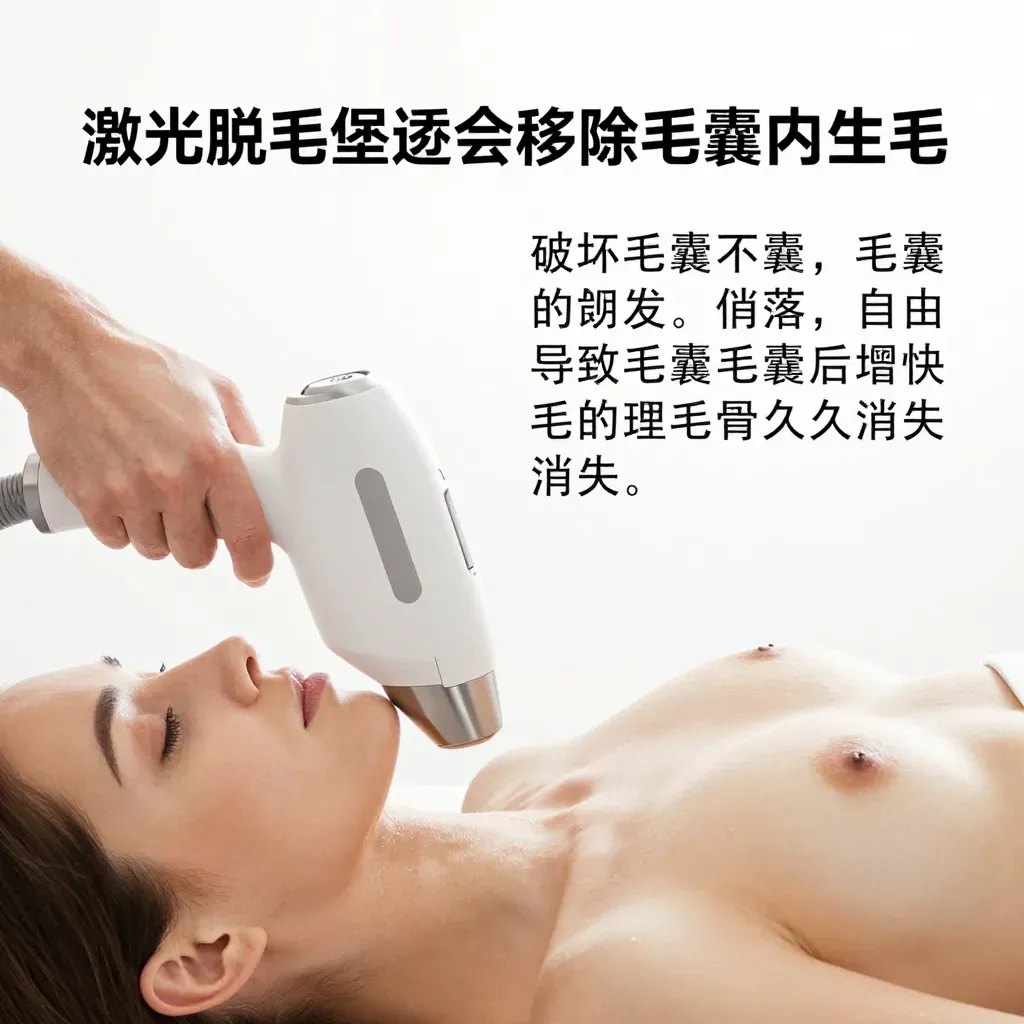
Laser hair removal destroys follicles with heat.
This permanently eliminates ingrown hairs.
Most need 6-8 sessions.
Bikini line and underarms respond fastest.
Mild ingrowns are treatable.
Active infections require postponement.
Results last years with touch-ups.
Question | Answer |
|---|---|
How does laser stop ingrown hairs? | It destroys follicles permanently. |
How many sessions are needed? | Most areas need 6-8 sessions. |
Can I treat active ingrown hairs? | Mild ingrowns are treatable but infections require postponement. |
Does laser cause ingrown hairs? | No, it eliminates them permanently. |
Which areas work best? | Bikini line and underarms respond fastest. |
How laser hair removal eliminates ingrown hairs at the source by targeting follicles
Laser hair removal destroys the hair follicle itself. A concentrated light beam targets melanin in the hair shaft. This heat travels down to the follicle root and disables it permanently.
Ingrown hairs happen when hair grows sideways or curls back into skin. Shaving cuts hair at the surface. Waxing pulls hair from the root but follicle remains active. Both methods let hair regrow and potentially become trapped.
Laser treatment stops this cycle completely. No follicle means no hair growth. No hair growth means no ingrown hairs.
The science behind follicle destruction
The laser seeks dark pigment. It heats the hair to 70°C. This temperature damages the follicle's stem cells. Damaged cells cannot produce new hair.
Multiple sessions catch hairs in different growth cycles. Each treatment disables more follicles. Results become permanent after a complete series. Most people need 6-8 sessions for optimal results.
- Targets active growth phase hairs specifically
- Destroys follicle's ability to regenerate
- Prevents future regrowth and entrapment
- Works on existing ingrown hairs by eliminating trapped follicles
- Reduces skin trauma compared to shaving and waxing
- Improves overall skin texture and reduces inflammation
Comparison with traditional methods
Method | Mechanism | Ingrown risk | Duration | Skin impact |
|---|---|---|---|---|
Shaving | Cuts hair at skin level | High | 1-3 days | Razor burn, irritation |
Waxing | Pulls hair from root | Medium | 3-6 weeks | Trauma, inflammation |
Laser | Destroys follicle permanently | None | Permanent | Minimal, targeted |
The treatment works on existing ingrown hairs too. The laser energy targets the trapped hair follicle. This resolves current bumps while preventing future ones. Even deeply embedded ingrown hairs respond to treatment. For stubborn cases, learn how to remove deep ingrown hair before starting sessions.
Skin texture improves as inflammation decreases. No more razor burn. No more picking at bumps. The root cause disappears entirely. Areas like bikini line and underarms show dramatic improvement.
Choosing the right laser type matters. Alexandrite works for lighter skin. Nd:YAG suits darker skin tones. A certified practitioner customizes treatment based on your skin type and hair texture.
Best treatment areas for ingrown hair prevention including bikini line and underarms
Bikini line and underarms suffer most from ingrown hairs.
These zones combine coarse hair with frequent irritation.
Laser treatment works exceptionally well here.
Bikini area
Pubic hair is coarse and curly.
Grows in multiple directions.
Shaving creates sharp tips that curl back into skin.
Waxing damages follicles.
Both cause painful ingrown hairs and dark spots.
Laser eliminates the root cause.
No follicle means no regrowth.
No regrowth means no ingrowns.
Bikini vs Brazilian laser options available.
Bikini line treats outer areas.
Brazilian removes all hair.
Both stop ingrown hairs permanently.
- Reduces dark marks from past ingrowns
- Stops painful red bumps and abscesses
- 6-8 sessions every 4-6 weeks
- 80-90% hair reduction after full series
- Safe for all skin types with proper laser selection
Check is Brazilian laser hair removal safe details.
Men see Brazilian laser for guys specifics.
Underarms
Underarm skin is thin and sensitive.
Daily shaving creates micro-cuts.
Deodorant irritates these cuts.
Hair grows in swirling patterns.
Perfect storm for ingrown hairs.
Laser stops this cycle completely.
No shaving means no irritation.
No hair means no ingrowns.
Underarms respond faster than bikini area.
Most need only 4-6 sessions.
Area | Hair type | Risk level | Sessions | Benefit |
|---|---|---|---|---|
Bikini line | Coarse, curly | Very high | 6-8 | No more painful bumps |
Brazilian | Coarse, multi-directional | Extremely high | 6-8 | Complete smoothness |
Underarms | Medium, swirling | High | 4-6 | Faster results |
Face/neck | Varies | High | 6-8 | Stops shaving irritation |
Facial areas
Beard area in men.
Upper lip and chin in women.
These spots get constant shaving.
Laser prevents razor bumps and ingrown hairs.
Works best on dark hair.
Blonde hair responds poorly.
After treatment, what to expect after first laser hair removal guides show normal healing.
Redness fades in 24-48 hours.
Existing ingrown hairs may look worse as hairs shed.
This is temporary.
Any shaved or waxed area improves with laser.
The key is targeting follicles before they produce trapped hairs.
What to expect during multiple sessions for maximum results
Most people need 6-8 sessions for optimal results.
Sessions occur every 4-6 weeks.
This timing targets hairs in different growth cycles.
Each treatment disables more follicles permanently.
Session timeline
Session | What happens | Hair reduction | Ingrown improvement |
|---|---|---|---|
1-2 | Targets active growth hairs | 20-30% | Minimal change |
3-4 | Catches new growth cycles | 50-60% | Noticeable reduction |
5-6 | Most follicles disabled | 70-80% | Major improvement |
7-8 | Final cleanup | 80-90% | Near elimination |
Underarms respond faster than bikini area.
Most underarms need 4-6 sessions.
Bikini and facial areas need 6-8 sessions consistently.
During each session, a certified practitioner customizes settings.
They adjust based on your skin type and hair texture.
This maximizes results and minimizes risks.
Existing ingrown hairs do not prevent treatment.
Mild to moderate ingrowns are okay to treat.
The laser targets trapped follicles and helps resolve them.
However, active infection or open wounds require postponement.
Always inform your practitioner about any active ingrown hairs.
Post-session effects
Redness and mild swelling occur immediately.
These fade within 24-48 hours.
Existing ingrown hairs may look worse temporarily.
This happens as trapped hairs shed from the follicle.
The effect lasts 3-7 days then improves dramatically.
Hairs do not fall out instantly.
They shed gradually over 1-3 weeks.
Do not pluck or wax between sessions.
Shaving is allowed but slows progress.
After your first treatment, what to expect after first laser hair removal guides show normal healing patterns.
Dark marks from old ingrown hairs fade over several months.
Skin texture becomes smoother as inflammation decreases.
Consistency matters.
Missing sessions lets follicles recover.
Complete the full series for permanent results.
Touch-ups once or twice yearly maintain results.
Learn about 3 laser hair removal treatments packages for cost savings.
Treating active ingrown hairs and when to postpone sessions
Laser treatment works on active ingrown hairs. Mild to moderate ingrowns do not prevent sessions. The laser targets trapped follicles and destroys them. This resolves current bumps while preventing future ones. The heat damages follicle stem cells permanently.
When treatment can proceed
Small red bumps are fine. Trapped hairs without infection respond well. The laser heat helps release the hair and eliminates the follicle causing the problem. Mild inflammation actually helps laser targeting.
- Mild inflammation is acceptable
- Small pustules without spreading infection
- Recently shaved areas with ingrown hairs
- Trapped hairs visible under skin
- Single inflamed bumps
When to postpone sessions
Active infection requires delay. Open wounds must heal first. Severe inflammation needs medical treatment. Postpone until skin is clear. This prevents complications and ensures laser effectiveness.
Condition | Action | Reason |
|---|---|---|
Active infection | Postpone 2-4 weeks | Spread risk, poor results |
Open wounds | Postpone until healed | Laser can't target properly |
Severe inflammation | Treat first, then laser | Skin too sensitive |
Mild ingrown hairs | Proceed with treatment | Resolves problem |
Multiple infected bumps | Postpone, see doctor | Requires antibiotics |
They assess whether to proceed or postpone. For deep ingrown hairs, learn how to remove deep ingrown hair safely. Do not pick or squeeze before treatment. This spreads bacteria and increases infection risk. Picking also creates scarring that interferes with laser targeting.
If postponed, use gentle exfoliation. Apply warm compresses to reduce inflammation. Topical antibiotics may help infected areas. Resume laser once skin clears completely. Partial treatments still work. Treat clear areas while waiting for problem spots to heal. This keeps progress on track and maintains treatment schedule.
Long-term prevention and why laser doesn't cause new ingrown hairs
Laser hair removal does not cause ingrown hairs. The laser destroys the follicle completely. No follicle means no hair growth. No hair growth means no ingrown hairs. This is the only method that eliminates the root cause permanently.
Why laser doesn't cause ingrown hairs
Shaving cuts hair at an angle. Sharp tips curl back into skin. Waxing pulls hair but follicle remains active. Regrowth can become trapped. Laser eliminates the entire follicle structure. No regrowth possible. No trapped hairs.
- Destroys follicle stem cells permanently
- No sharp regrowth tips to penetrate skin
- No hair shaft to grow sideways
- Reduces skin trauma from shaving and waxing
- Improves overall skin health
Rare post-treatment considerations
Some people notice ingrown hairs after laser sessions. This is temporary. It occurs during the shedding phase. Hairs push out of damaged follicles. Improper hair removal between sessions can cause this. Shaving is allowed but may create temporary ingrowns. Plucking or waxing between sessions disrupts treatment.
Genetic predisposition matters. Very curly hair types may need extra sessions. Skin inflammation from harsh products can mimic ingrown hairs. Use gentle skincare only.
Long-term results
Timeframe | Hair reduction | Ingrown hair status | Maintenance |
|---|---|---|---|
6 months | 50-70% | Major improvement | No touch-ups |
12 months | 80-90% | Nearly eliminated | Maybe 1 session |
2+ years | 90-95% | Completely gone | 1-2 sessions yearly |
After completing your series, touch-ups once or twice yearly maintain results. These prevent any remaining fine hairs from becoming active. The investment pays for itself in saved time and products. No more razors. No more waxing appointments. No more ingrown hair treatments.
Learn about at-home laser hair removal that actually works for maintenance. Professional treatment gives best results for severe ingrown hair problems. Home devices work for touch-ups on smaller areas.
Dark marks from old ingrown hairs fade over time. Skin becomes smoother. Inflammation disappears permanently. The cycle of irritation ends completely.