
Table of Contents
Waxing prevents ingrown hairs better than shaving but cannot remove existing ones trapped under skin.
Professional technique removes the full hair shaft causing finer regrowth with softer tips that are less likely to curl back into skin.
DIY waxing often breaks hairs below the surface creating new ingrowns.
Time exfoliation carefully: exfoliate 48 hours before waxing wait 48 hours after then resume chemical exfoliation 2-3 times weekly with salicylic or glycolic acid.
Treat existing ingrowns with warm compresses and chemical exfoliants only never pick or dig.
Chronic sufferers with thick curly hair should consider laser hair removal for permanent results with break-even cost at 1-2 years versus continuous waxing.
Question | Answer |
|---|---|
Can waxing remove existing ingrown hairs? | No waxing cannot pull out hairs already trapped under skin and will worsen irritation. |
Is waxing better than shaving for preventing ingrowns? | Yes waxing removes the full hair shaft producing softer regrowth while shaving creates sharp edges that pierce skin. |
How do you treat existing ingrown hairs? | Apply warm compresses for five minutes 2-3 times daily and use chemical exfoliants like salicylic acid every other day. |
When should you exfoliate when waxing? | Exfoliate 48 hours before waxing skip 48 hours after then resume chemical exfoliation 2-3 times weekly. |
What is the permanent solution for chronic ingrown hairs? | Laser hair removal destroys follicles and eliminates ingrowns at the source with 90% reduction after 6-8 sessions. |
Waxing cannot remove existing ingrown hairs immediately
Waxing pulls hair from the root. It cannot pull out hairs already trapped under your skin.
The reality of waxing and ingrown hairs
Waxing removes hair strands. It does not remove follicles. New hair may curl back into skin when it regrows. Thick curly coarse hair types face this most.
- Waxing beats shaving for ingrown prevention
- Waxing cannot grip embedded hairs
- Broken hairs below skin cause new ingrowns
- Some people get ingrowns no matter what
- Professional technique prevents most problems
Why existing ingrown hairs persist
Ingrown hairs grow sideways under skin. Wax cannot grab them. Waxing over active ingrowns makes irritation worse.
Antibacterial ointment helps inflamed areas. Chemical exfoliants like glycolic acid break down dead skin.
What waxing actually does
Waxing prevents future ingrowns by removing full hair shaft. Regrowth becomes finer over time. Professional plus proper aftercare works best.
Factor | Impact |
|---|---|
Professional waxing | Greatly reduces risk |
DIY waxing | Breaks hair more often |
Pre-wax exfoliation | Essential step |
Post-wax care | Critical for results |
Curly coarse hair | More prone to ingrowns |
Prevention timeline
- 48 hrs before: exfoliate gently
- During wax: apply with growth remove against
- 48 hrs after: no exfoliation
- 3 days after: exfoliate 2-3 times weekly
When to stop waxing
Stop all hair removal if chronic ingrowns appear. Wait 1-6 months for skin to clear. Consider laser hair removal for permanent fix. Those with persistent issues should see a dermatologist for prescription treatments.
Waxing prevents ingrown hairs better than shaving over time
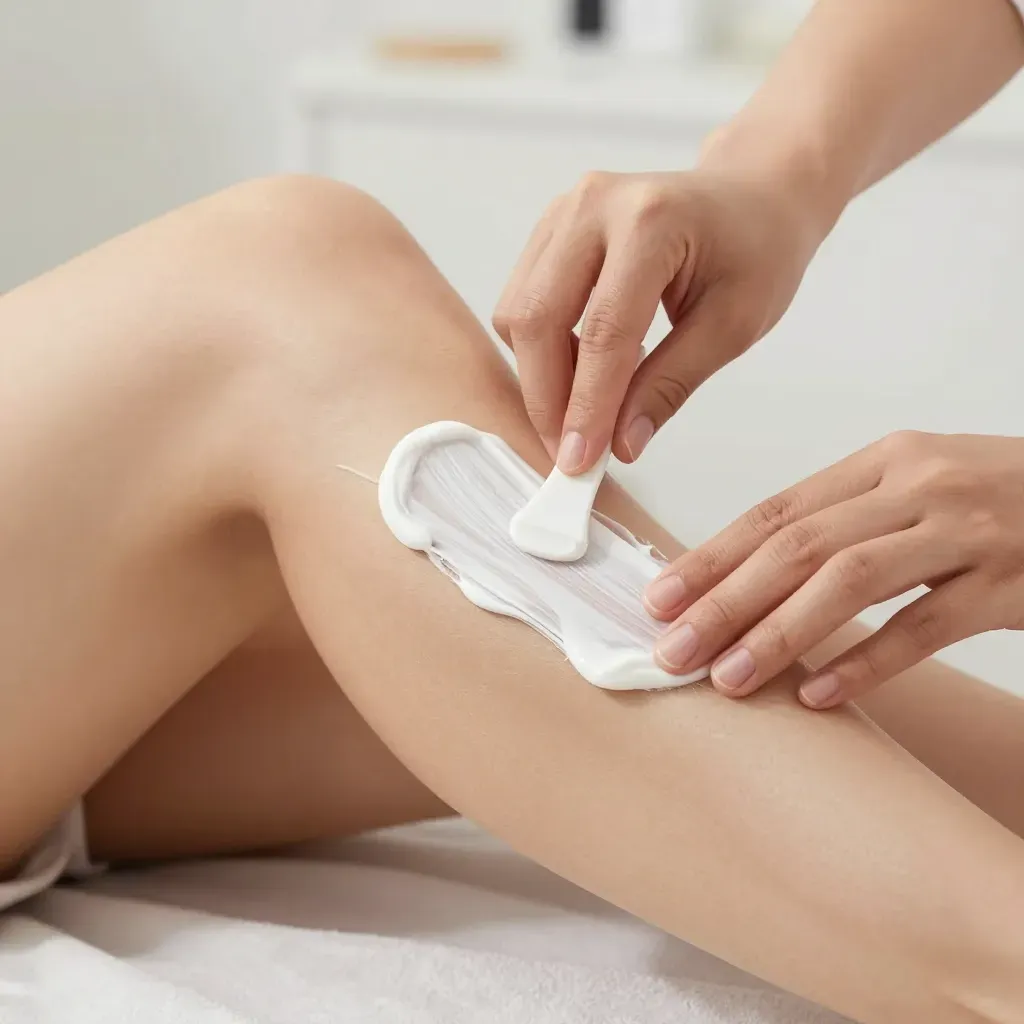
Waxing removes hair from the root. Shaving chops hair at the surface. This fundamental difference makes waxing superior for ingrown prevention.
The root removal advantage
Waxing pulls entire hair shaft from follicle. New growth emerges with softer tapered tip. Shaving creates sharp blunt edge that easily pierces skin and curls inward. Over multiple sessions, waxed hair grows back finer and sparser.
Method | Ingrown Risk | Why |
|---|---|---|
Waxing | Lower | Removes full shaft, softer regrowth |
Shaving | Higher | Sharp blunt cut, frequent friction |
Professional wax | Lowest | Proper technique, clean removal |
DIY shave | Highest | Improper angle, dull blades |
Long-term benefits
Each wax session weakens hair follicle. Regrowth becomes slower and thinner. Less frequent removal means less skin trauma and irritation. Shaving requires daily or every-other-day repetition, increasing friction and inflammation.
- Finer hair grows straighter out of follicle
- Longer intervals between removal sessions
- Reduced skin irritation over time
- Professional technique ensures complete removal
Hair type matters most
Thick curly coarse hair remains prone to ingrowns regardless of method. Waxing helps but cannot eliminate risk completely. Those with this hair type see best results with professional waxing combined with chemical exfoliants.
Frequency comparison
Waxing lasts 3-6 weeks. Shaving lasts 1-3 days. Fewer removal sessions mean fewer opportunities for hairs to become trapped. Daily shaving creates constant micro-trauma to skin barrier.
Cost vs benefit
Waxing costs more per session but requires fewer treatments. Shaving appears cheaper but needs constant product replacement and time investment. Laser hair removal offers permanent solution for chronic ingrown sufferers.
Professional technique and exfoliation timing prevent most ingrown hairs
Professional waxing with proper technique combined with diligent aftercare dramatically reduces ingrown hair occurrence.
The professional advantage
Trained estheticians use proper temperature wax and correct application angle. They remove wax in one quick motion against hair growth direction. This prevents hair breakage below skin surface. DIY waxing often breaks hair, causing ingrowns. Professional services include pre-wax cleansing and protective barrier creams that shield skin from bacterial contamination. They also use hard wax for sensitive areas, which adheres only to hair, not skin.
Exfoliation timing is critical
Timing matters more than frequency. Wrong timing irritates skin and traps hairs. Exfoliate 2-3 times per week normally, but adjust around waxing.
Timing | Action | Reason |
|---|---|---|
48 hours before | Gentle physical exfoliation | Clears dead skin for better wax grip |
Day of wax | No exfoliation | Prevents over-sensitizing skin |
48 hours after | No exfoliation | Allows skin barrier recovery |
3 days after | Chemical exfoliation begins | Keeps pores clear as hair regrows |
Ongoing | 2-3 times per week | Maintains clear follicles |
Proper technique mechanics
- Apply wax in direction of hair growth
- Remove against direction in one swift motion
- Use hard wax for sensitive areas
- Hold skin taut during removal
- Apply post-wax oil to soothe and prevent bacteria
- Never wax over same area twice in one session
Aftercare product protocol
Use serums with salicylic acid (BHA) or glycolic acid (AHA). Apply hydrocortisone cream for inflammation. Moisturize daily with non-comedogenic lotion. Avoid pore-blocking ingredients like heavy oils or fragrances.
Hair type considerations
Thick curly coarse hair remains prone regardless of technique. Some individuals are predisposed to ingrowns due to genetics. Professional waxing helps but cannot eliminate risk completely. Consider laser hair removal for permanent solution in chronic cases. Those with chronic issues should see a dermatologist for prescription-strength treatments.
Environmental factors
Avoid tight clothing and excessive sweating for 24-48 hours post-wax. Skip saunas, steam rooms, and intense workouts. Keep area cool and clean to reduce bacterial growth and inflammation. Lukewarm water only for first 24 hours. Avoid touching the area with unwashed hands.
Treat existing ingrown hairs with warm compresses and chemical exfoliants
Warm compress method
Apply warm compress to affected area for 5 minutes. Use heating pad or hot washcloth. Heat softens skin and draws trapped hair toward surface. Repeat 2-3 times daily until hair emerges.
Chemical exfoliants work best
BHA (salicylic acid) and AHA (glycolic acid) dissolve dead skin cells trapping hair. Apply to area every other day. Start with low concentrations to minimize irritation. These acids keep pores clear during regrowth.
Antibacterial and anti-inflammatory treatment
Inflamed ingrowns need hydrocortisone cream (1% OTC). Apply thin layer 1-2 times daily. Use antibacterial ointment for infected spots. Keep area clean and dry between applications.
What never to do
- Never dig or pick at ingrown hair
- Never squeeze like a pimple
- Never use tweezers on deep ingrowns
- Never apply harsh scrubs to inflamed skin
When hair emerges
Once hair reaches surface, gently lift with sterile needle or tweezers. Do not pull out completely. Allow natural growth. Continue exfoliation to prevent recurrence.
Product Type | Examples | Frequency |
|---|---|---|
Warm compress | Heating pad, hot cloth | 2-3x daily, 5 min |
BHA exfoliant | Salicylic acid 2% | Every other day |
AHA exfoliant | Glycolic acid 5-10% | Every other day |
Anti-inflammatory | Hydrocortisone 1% | 1-2x daily |
Antibacterial | Neosporin | As needed |
Treatment timeline
Mild ingrowns clear in 3-7 days with consistent treatment. Deep or infected ones need 1-2 weeks. See dermatologist if no improvement after 2 weeks or if you notice spreading redness, pus, or fever.
Prevention during treatment
Stop hair removal in affected area until cleared. Shaving or waxing over active ingrowns worsens condition. Chronic sufferers should consider laser hair removal for permanent solution. Laser eliminates need for waxing and stops ingrowns at source.
Consider laser hair removal for chronic ingrown hair problems
How laser stops ingrowns permanently
Laser destroys hair follicle.
No follicle means no hair can grow back into skin.
This eliminates ingrown cause at source.
Who needs laser most
Thick curly coarse hair types get ingrowns regardless of waxing technique.
Chronic sufferers who tried everything else.
Those with recurring infections from ingrowns.
Professional vs at-home laser
Professional lasers are stronger and faster.
At-home devices work but take longer.
Professional treatments cost more per session but require fewer sessions.
Method | Cost | Sessions | Effectiveness |
|---|---|---|---|
Professional | $200-500/session | 6-8 | 90% reduction |
At-home | $300-600/device | 12+ | 70% reduction |
Brazilian area | $150-300/session | 6-10 | 85% reduction |
Cost comparison over time
Waxing costs $50-100 per session every 4-6 weeks.
Adds up to $600-1300 per year.
Laser costs $1200-4000 total for permanent results.
Break-even point is 1-2 years.
Check Texas pricing or Brazilian laser costs for specific numbers.
Timeline to results
Most see 20% reduction after first session.
Full results appear after 6-12 months.
Requires 6-8 sessions spaced 4-6 weeks apart.
When to make the switch
Stop waxing when ingrowns become chronic.
Wait for skin to heal completely before starting laser.
Do not laser over active infections.
Consult dermatologist for prescription options first.
Side effects and downtime
Laser causes temporary redness and swelling.
Avoid sun exposure for 2 weeks before and after.
No waxing or plucking between sessions.
Shaving allowed.
Compare options based on budget and pain tolerance.