
Table of Contents
Doctors order an x ray for an ingrown toenail when they suspect bone infection or deep tissue damage.
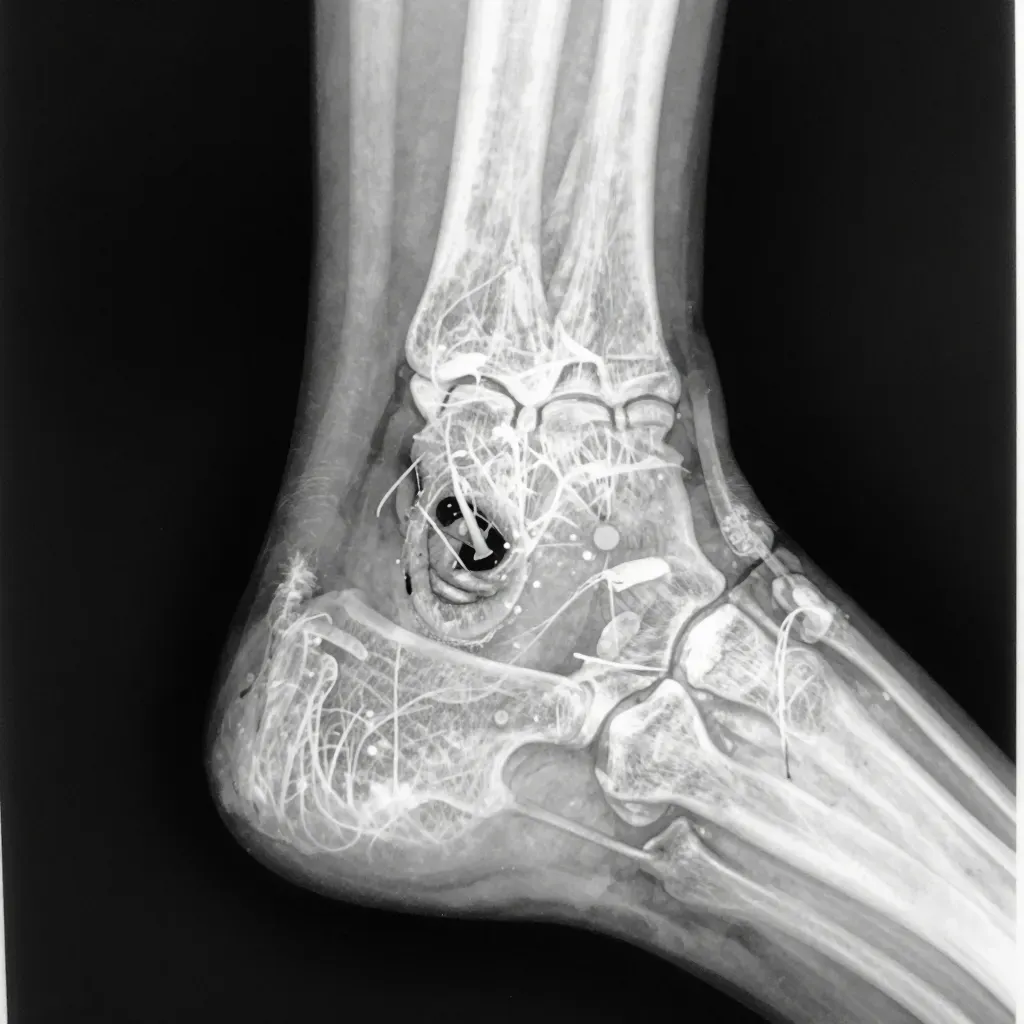
The scan reveals bone destruction joint issues and soft tissue swelling hidden beneath the skin.
Toe x rays take under ten minutes and cause zero pain.
Scan results determine whether you need simple nail removal or serious surgical intervention.
Question | Answer |
|---|---|
When do doctors order an x ray for an ingrown toenail | Doctors order one when pain lasts weeks swelling spreads or they suspect bone infection. |
What can an x ray reveal about an infected toe | It shows bone destruction joint damage soft tissue swelling and hidden foreign objects. |
Does a toe x ray hurt | No the procedure causes zero pain and takes under ten minutes to complete. |
What happens if the x ray shows a bone infection | You will need surgical bone removal and weeks of strong antibiotics to clear the infection. |
Why doctors order an x ray for an ingrown toenail
Most ingrown toenails dont need an x ray.
Doctors order one when they suspect deeper problems beneath the skin.
Signs that warrant an x ray
- Toe pain that lasts weeks despite treatment
- Swelling that spreads beyond the toe
- Visible pus or drainage that wont stop
- Redness streaking up the foot
- History of diabetes or poor circulation
- Previous toe surgery or trauma
What doctors look for
The main concern is osteomyelitis. Thats a bone infection. It can develop when bacteria from an ingrown toenail penetrate deep into the tissue and reach the bone underneath.
An x ray shows bone changes that indicate infection. These changes dont appear overnight. They take days to weeks to show up on imaging.
Finding | What it means |
|---|---|
Bone erosion | Infection is destroying bone tissue |
Joint damage | Infection spread to the toe joint |
Foreign body | Something lodged deep in the toe |
Bone spur | Chronic irritation caused bone growth |
Who is most at risk
Diabetics top the list. High blood sugar slows healing and increases infection risk. Poor circulation means infections reach bone faster.
People with nerve damage in their feet also get x rays more often. They might not feel how bad the ingrown nail really is.
Early x ray diagnosis prevents serious complications. Bone infections need aggressive treatment. Catching it early means better outcomes and shorter recovery.
What an x ray can reveal about toenail infections
X rays show more than just bone. They reveal the full picture of what an ingrown toenail infection hides beneath the skin.
Bone involvement
Osteomyelitis shows up as dark spots or holes in the bone. The toe bone may look rough or irregular instead of smooth. These changes mean bacteria attacked the bone structure.
Chronic infections cause the bone to thicken. Doctors call this sclerosis. The body tries to wall off the infection by building denser bone around it.
Soft tissue changes
- Swelling patterns show infection spread
- Gas bubbles in tissue indicate serious bacterial infection
- Thickened nail bed suggests chronic inflammation
- Fluid collections point to abscess formation
Joint damage
The big toe joint sits close to ingrown nail sites. Infection can seep into the joint space. X rays show narrowed joint spaces or eroded cartilage. Joint infections require immediate treatment to prevent permanent stiffness.
X ray findings comparison
Stage | X ray result | Urgency |
|---|---|---|
Early infection | Soft tissue swelling only | Standard treatment |
Moderate infection | Bone surface changes | Antibiotics needed |
Advanced infection | Bone destruction visible | Surgical consultation |
Severe infection | Joint involvement spread | Emergency intervention |
Limitations of x rays
X rays dont catch everything. Early bone infections might look normal for the first two weeks. MRI scans detect bone infections sooner but cost more and take longer.
Doctors sometimes repeat x rays after one or two weeks. Bone changes that were invisible on the first scan become clear on the second one.
How the x ray procedure for an ingrown toenail works
Toe x rays are quick simple procedures done right in the doctors office.
Before the x ray
No special preparation needed. Remove socks shoes and any bandages covering the infected toe. Jewelry near the foot comes off too.
Tell the technician if you might be pregnant. Radiation exposure requires extra precautions.
During the procedure
- You sit or lie on an exam table
- The technician positions your foot on the x ray plate
- A lead shield covers your lap to protect from radiation
- The machine takes images from multiple angles
- You must hold still for a few seconds per image
Most toe x rays require three views. Front side and angled shots give doctors a complete picture of the bone and joint.
Typical x ray views for ingrown toenail
View | What it shows | Time |
|---|---|---|
Anteroposterior | Front facing bone structure | 5 seconds |
Lateral | Side view of toe bones | 5 seconds |
Oblique | Angled view between front and side | 5 seconds |
After the x ray
No downtime required. You walk out immediately. Results come back fast sometimes within minutes if the doctor reviews them on site.
Pain considerations
X rays cause zero pain. The plate might feel cold against your foot. If your toe is severely infected the positioning might cause mild discomfort but it passes quickly.
Radiologists read the images and send a report to your doctor. Your doctor then discusses findings and next steps at your follow up appointment.
What to expect after your ingrown toenail x ray results
X ray results dictate your next treatment step. Doctors categorize findings into normal or abnormal.
Normal results
Bones look healthy. No signs of bone infection. The problem stays in the soft tissue around the nail.
- Doctors prescribe oral antibiotics
- They perform minor ingrown toenail removal
- You do daily foot soaks
- Schedule a follow up if pain persists
Abnormal results
X ray shows bone damage joint issues or severe infection spread.
- Doctors order blood tests to check infection levels
- They prescribe stronger intravenous antibiotics
- They refer you to a podiatrist or surgeon
- You might need an MRI for a closer look
Next steps based on findings
Finding | Immediate Action | Recovery Time |
|---|---|---|
Soft tissue swelling | Nail removal and oral meds | 1 to 2 weeks |
Mild bone irritation | Stronger antibiotics | 3 to 4 weeks |
Bone infection | Surgery and IV antibiotics | 6 weeks or longer |
Follow up care
Keep the toe clean and dry. Watch for increased redness or swelling. Take all antibiotics even if the toe feels better. Stopping early causes the infection to return.
Chronic ingrown nails require long term solutions. For other body areas see the best way to remove hair without getting ingrown hairs.
Treatment options based on your x ray findings
X ray results decide how aggressive treatment needs to be. Each finding maps to a specific plan.
No bone involvement
Soft tissue only. Standard treatment applies.
- Partial nail avulsion removes the ingrown edge
- Local numbing injection before the procedure
- Oral antibiotics cover any skin bacteria
- Salt water soaks twice daily for two weeks
- Chemical matricectomy prevents regrowth in that edge
Early bone changes
Bone surface looks irritated but not destroyed yet.
- Extended oral antibiotics for four to six weeks
- Complete nail avulsion with wound packing
- Weekly doctor visits to monitor bone healing
- Repeat x ray after antibiotics finish
Active bone infection
Bone destruction visible on x ray. This is serious.
- IV antibiotics started immediately
- Surgical debridement removes infected bone
- Hospital admission for severe cases
- Weeks to months of antibiotic therapy
- Possible toe amputation if infection cannot be controlled
Treatment comparison by x ray stage
Long term prevention
After healing wear wide toe box shoes. Cut nails straight across never curved. Keep feet clean and dry daily.
Ingrown issues affect more than nails. Explore permanent ingrown hair removal or tools for ingrown hair removal if body hair causes similar problems.