
Table of Contents
Zinc treats and prevents ingrown hairs through four key mechanisms: anti-inflammatory action reduces redness and swelling, oil regulation prevents pores from clogging, accelerated healing repairs damaged skin, and antibacterial protection prevents infections. Three main zinc forms deliver these benefits: zinc pyrithione for inflammation, zinc PCA for oil balance, and zinc oxide for soothing protection. Topical products like bar soaps, tonics, serums, and powders provide targeted relief when applied consistently. Dietary zinc (8-11mg daily from foods like oysters, beef, and pumpkin seeds) supports long-term skin and hair health from within. Zinc deficiency manifests as hair loss, dermatitis, slow wound healing, and increased skin infections. A consistent routine combining zinc bar soaps before hair removal, zinc PCA treatments after, and zinc oxide powder throughout the day addresses both prevention and active treatment of ingrown hairs.
Question | Answer |
|---|---|
How does zinc help treat ingrown hairs? | Zinc reduces inflammation, regulates oil production, accelerates skin healing, and fights bacteria that infect irritated hair follicles. |
What form of zinc is best for preventing ingrown hairs? | Zinc pyrithione works best for prevention through its anti-inflammatory and cleansing properties, while zinc PCA excels at balancing oil to prevent clogged pores. |
How much dietary zinc do adults need daily? | Adults require 8 to 11 milligrams of zinc daily from food sources like oysters, beef, pumpkin seeds, and dairy products. |
What are signs of zinc deficiency affecting skin? | Zinc deficiency causes hair loss, dermatitis around body openings, slow wound healing, nail problems, and increased susceptibility to skin infections. |
How often should zinc products be applied for ingrown hair treatment? | Apply zinc-containing products directly to affected areas 2-3 times daily for treatment, or use preventively after each hair removal session. |
How Zinc Works to Treat and Prevent Ingrown Hairs
Zinc fights ingrown hairs through four key mechanisms that target both prevention and treatment.
Anti-Inflammatory Action
Zinc reduces the redness, swelling, and pain associated with ingrown hairs. Zinc pyrithione has proven anti-inflammatory effects that calm irritated skin around affected follicles. This mineral works by suppressing inflammatory signals in the skin, providing fast relief from discomfort.
Oil Regulation
Excess sebum clogs pores and traps growing hair, causing it to curl back into the skin. Zinc balances oil production, keeping pores clear and reducing the likelihood of trapped hairs. Zinc PCA, a highly bioavailable form, combines oil-control benefits with natural moisturizing factors.
Accelerated Healing
Zinc supports cell regeneration and collagen synthesis. Damaged skin around ingrown hairs recovers faster when zinc levels are adequate. This mineral also strengthens the skin barrier, making it more resistant to irritation.
Antibacterial Protection
Broken skin from ingrown hairs can become infected. Zinc fights bacteria that colonize irritated areas, preventing pustules and more serious infections.
Key Zinc Forms for Ingrown Hair Care
Form | Primary Benefit | Common Use |
|---|---|---|
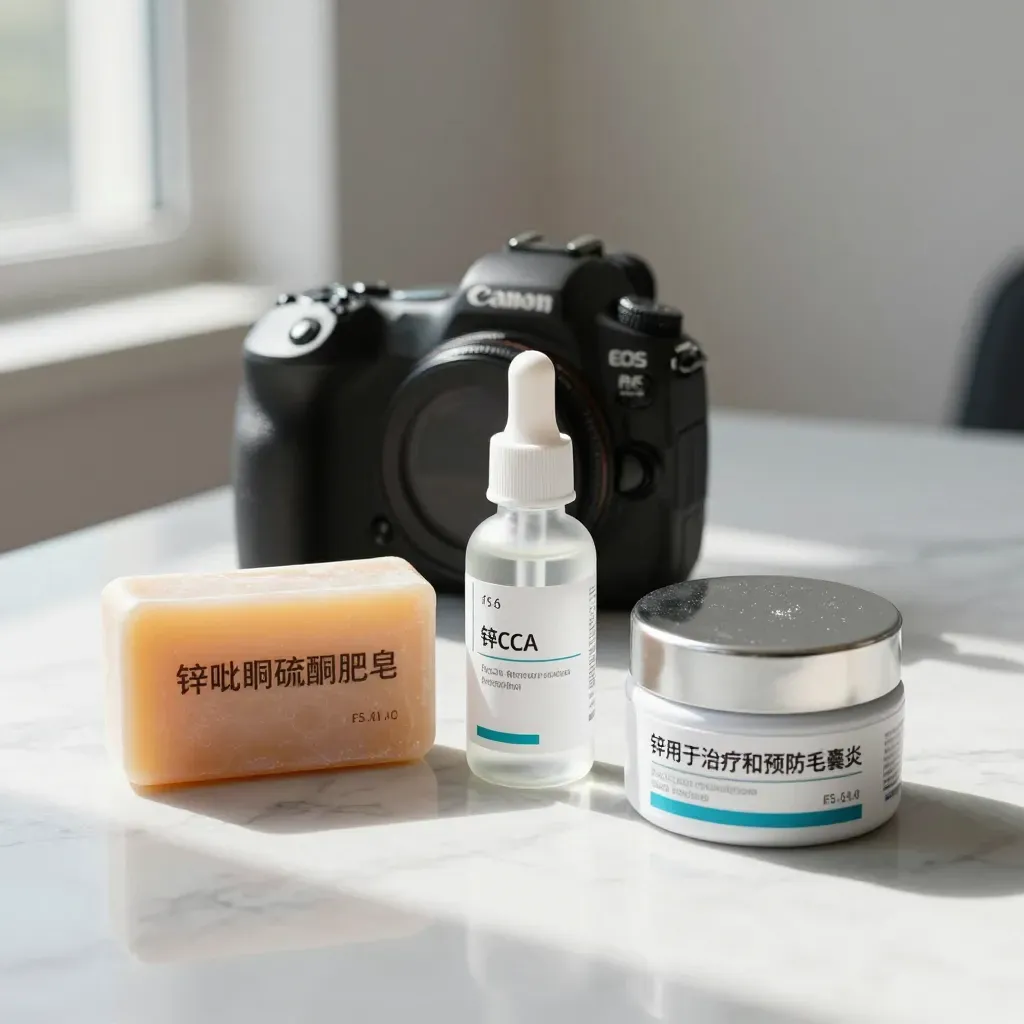
Zinc Pyrithione | Anti-inflammatory | Bar soaps, tonics |
Zinc PCA | Oil-balancing | Serums, treatments |
Zinc Oxide | Soothing, protective | Powders, ointments |
Apply zinc-containing products directly to affected areas 2-3 times daily for treatment, or use preventively after hair removal.
Best Topical Zinc Products for Ingrown Hair Relief
Topical zinc products deliver concentrated relief directly where you need it. Here are the most effective options.
Zinc Bar Soaps
Calming Zinc Bar Soap contains 2% pyrithione zinc, the maximum allowed concentration. This helps cleanse and protect skin during shaving. Use during your regular wash routine to prevent ingrown hairs before they start.
Ingrown Hair Tonics and Serums
Roll-on tonics like Topicals High Roller combine zinc PCA with exfoliating acids. The formula includes:
- Salicylic acid to clear blocked pores
- Zinc PCA to minimize irritation
- Glycolic acid to even skin texture
- Niacinamide to brighten marks
Ingrown Control Powders
Zinc oxide powders absorb excess moisture and oil in prone areas. Apply to inner thighs, bikini line, and underarms to reduce friction and bacterial growth.
Intimate Care Salves
Products like Buff Experts Carrot and Calendula Intimate Salve use zinc oxide alongside natural ingredients. These create a protective barrier while soothing existing irritation.
Quick Reference Guide
Product Type | Best For | Application |
|---|---|---|
Bar Soap | Prevention | Daily cleansing |
Tonic/Serum | Active treatment | 2-3x daily spot treatment |
Powder | Friction-prone areas | After shower, throughout day |
Salve | Deep soothing | Evening application |
Allow products to dry completely before dressing to maximize effectiveness.
Dietary Zinc for Long-Term Skin and Hair Health
Daily Zinc Requirements
Adults require 8 to 11 milligrams of dietary zinc daily for optimal skin and hair function.
Precision is key.
Taking too much zinc causes adverse effects.
Taking too little leads to deficiency symptoms.
Always prioritize whole food sources over high dose supplements.
Best Food Sources of Zinc
Eat mineral rich foods to meet your daily target safely.
- Oysters and shellfish contain the highest zinc levels per serving.
- Beef and pork offer highly bioavailable zinc.
- Pumpkin seeds provide a potent plant based zinc source.
- Lentils and chickpeas deliver steady daily zinc.
- Dairy products like cheese and milk boost intake.
How Dietary Zinc Supports Skin and Hair
Internal zinc builds strong hair follicles from the inside out.
It acts as a potent inhibitor of hair follicle regression.
This keeps follicles active and prevents excessive shedding.
Zinc strengthens hair shafts to reduce daily breakage.
It boosts collagen production to keep skin firm and resilient.
The mineral provides antioxidant protection against cellular damage.
It accelerates the healing of damaged skin tissue.
Signs of Zinc Deficiency
Monitor your body for low zinc signals.
Symptom | Effect on Body |
|---|---|
Hair loss | Thinning and slowed regrowth |
Dermatitis | Inflamed and irritated skin |
Slow wound healing | Prolonged recovery from cuts and ingrown hairs |
Nail dystrophy | Weak and brittle nails |
Frequent infections | Lowered skin immunity |
Address severe deficiencies with diet changes or medical advice.
Signs of Zinc Deficiency Affecting Your Skin
Cutaneous Manifestations of Zinc Deficiency
Low serum zinc levels cause visible skin changes that often go unrecognized.
Dermatitis appears around body openings first, affecting the mouth, ears, nostrils, and groin area.
This inflammation can resemble burns, eczema, or psoriasis patches.
Skin-Related Symptoms
- Periorificial dermatitis around mouth, cheeks, and nostrils
- Acral dermatitis on hands, feet, fingers, and toes
- Eczematous or psoriasiform skin lesions
- Oozy or crusted patches that mimic infections
- Increased susceptibility to skin infections
Delayed Healing and Inflammation
Wounds heal slowly when zinc stores are depleted.
Ingrown hairs become more inflamed and take longer to resolve.
Razor bumps persist and worsen without adequate zinc support.
Post-inflammatory hyperpigmentation lingers longer on deficient skin.
Nail and Hair Changes
Zinc deficiency produces distinctive nail problems.
- Paronychia or nail bed inflammation
- Nail dystrophy with ridging and brittleness
- Slow nail growth
Hair becomes thin, brittle, and prone to breakage.
Hair loss occurs in severe cases and regrows slowly.
Diagnostic Indicators
Lab Finding | Clinical Significance |
|---|---|
Serum zinc below 50 micrograms | Confirms deficiency |
Low alkaline phosphatase | Supports diagnosis |
Improved symptoms with zinc therapy | Confirms deficiency as cause |
Note that low albumin levels do not always indicate zinc deficiency.
Tips for Using Zinc in Your Ingrown Hair Routine
Before Hair Removal
Wash with a zinc pyrithione bar soap to prep skin and reduce bacteria.
Clean skin cuts down on follicle infections that lead to ingrowns.
Shave in the direction of hair growth to minimize curling.
After Hair Removal
Apply a zinc PCA tonic immediately after shaving or waxing.
Target the bikini line, underarms, and legs where ingrowns form most.
Let the product dry fully before putting on clothes to prevent transfer.
For pubic area care, check out Brazilian hair laser removal as a long-term alternative to shaving.
For Active Ingrown Hairs
- Dab zinc oxide salve directly on the bump twice daily
- Pair zinc with salicylic acid to unclog the trapped hair
- Dust zinc oxide powder on friction-prone areas
- Avoid picking or squeezing the bump
Sun Protection
Apply a zinc oxide sunscreen over healed ingrown spots.
Zinc oxide blocks UV rays while soothing residual inflammation.
This prevents post-inflammatory hyperpigmentation from darkening.
When to Consider Laser Treatment
Chronic ingrown hairs may need more than topical zinc.
Laser hair removal can help with ingrown hairs by destroying the follicle entirely.
No hair growth means no ingrown hairs.
Quick Routine Checklist
Step | Product | Timing |
|---|---|---|
Cleanse | Zinc pyrithione soap | Before shaving |
Treat | Zinc PCA serum | After hair removal |
Protect | Zinc oxide powder | Throughout day |
Shield | Zinc oxide sunscreen | Before sun exposure |
Consistency drives results with zinc-based ingrown hair care.